
Flower
Common St. John's Wort
Hypericum perforatumAlso known as St. John's Wort, Perforate St. John's-wort, Klamath Weed, Tipton Weed
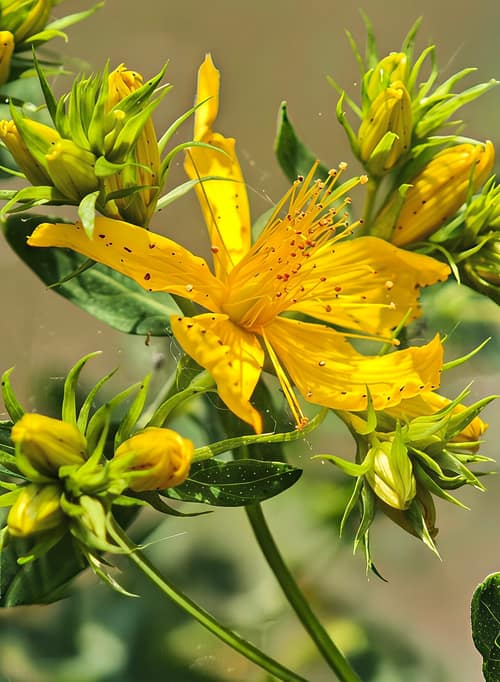
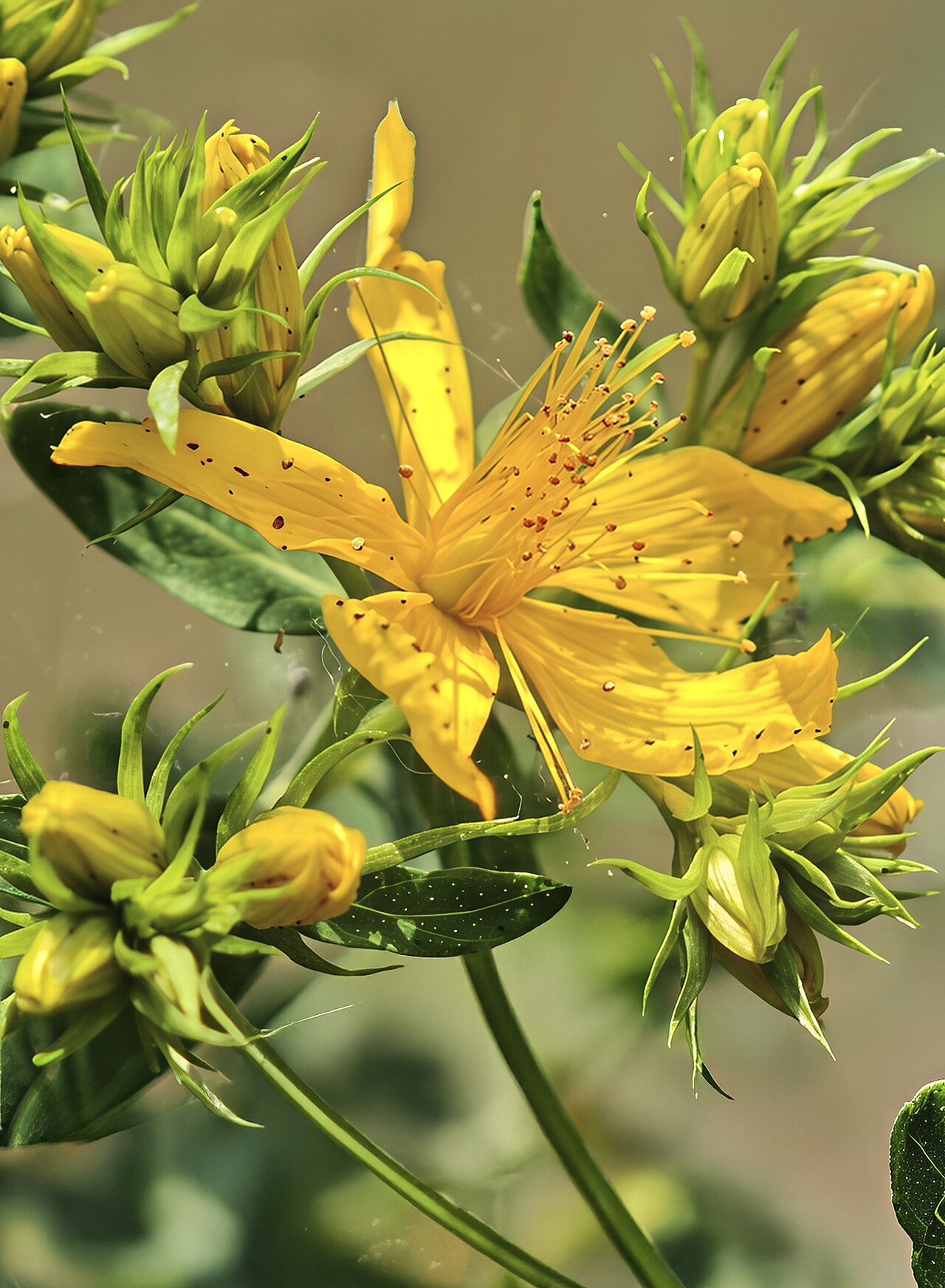
Common St. John's Wort brightens open fields and sunny roadsides with clusters of golden, star-shaped flowers that bloom around midsummer. Holding a leaf up to the sky reveals dozens of clear gland dots that look like microscopic pinpricks across the surface. While valued historically in herbal traditions, the plant produces hypericin, a potent compound that causes severe skin sensitivity to light in grazing livestock.
FloweringYellowHerbaceous
—observations
—countries
—peak records
Least ConcernConservation statusIUCN Red List categoriesLCNTVUENCREWEXLeast ConcernRed List categories, explained →
Diet & preyPhotosynthetic
Predators
- St. John's Wort Beetle
- Goats
- Sheep
ThreatsHerbicides, specialized biocontrol beetles, land clearing
HabitatsMeadows, sunny roadsides, dry pastures, riverbanks, disturbed soil
Life spanPerennial (3–8 years)
Classification
- OrderMalpighiales
- FamilyHypericaceae
- GenusHypericum
- SpeciesHypericum perforatum
Range data is not available yet.
Interaction riskHigh
- Low
- Moderate
- High
- Very high
- Why interaction risk is high
- Contains hypericin, causing photosensitivity and severe illness if ingested; do not consume wild plants.
- Why it is dangerous
- Contains toxic hypericin, which accumulates in tissue and causes painful skin blistering and photosensitivity upon ingestion.
- How to recognize a risky encounter
- Look for bright yellow five-petaled flowers with black dots along petal margins and opposite leaves full of translucent dots.
- What to do
- Avoid consuming wild plants, and wash hands after crushing the stems or yellow flowers.
Responsible observation
- Leaf Check: Hold a leaf up to direct light to see translucent glandular dots that look like pinholes.
- Petal Glands: Examine petal margins under magnification to spot tiny black hypericin glands.
- Pasture Watch: Keep livestock clear of dense patches to prevent photosensitive skin reactions.
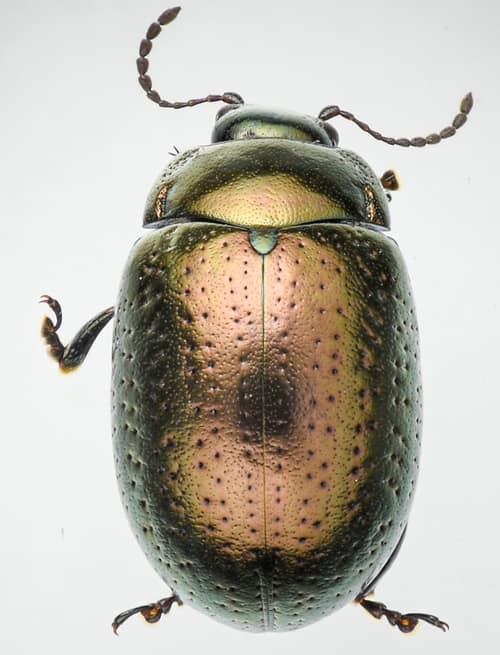
Biocontrol Agent (c) Don Loarie, some rights reserved (CC BY), uploaded by Don Loarie · cc-by Image unavailable
Close Relative Close Relative Close Relative
Help improve the field guideSomething wrong?
Checking your Fauna account…Report a name, category, or profile issue for review.