
Plant · GBIF taxon 3189382
White Mangrove
Laguncularia racemosaWhite mangroves thrive along tropical and subtropical shorelines, typically occupying slightly higher, less frequently flooded ground than red or black mangroves. Distinctive paired nectar glands sit at the base of each rounded, pale green leaf, actively secreting excess salt while attracting ants that defend the foliage against herbivores. Rather than producing dramatic stilt roots or towering pneumatophores, these trees stabilize tidal sediments through peg-like roots and tangled lower branches.
Salt-TolerantCoastalEvergreen
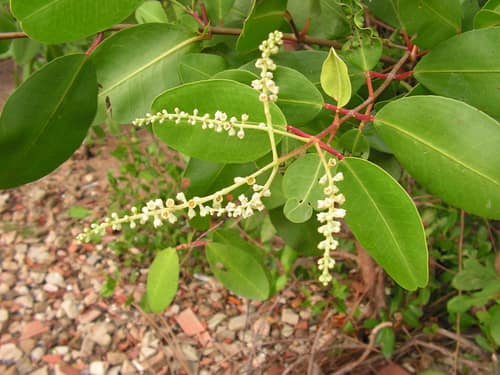
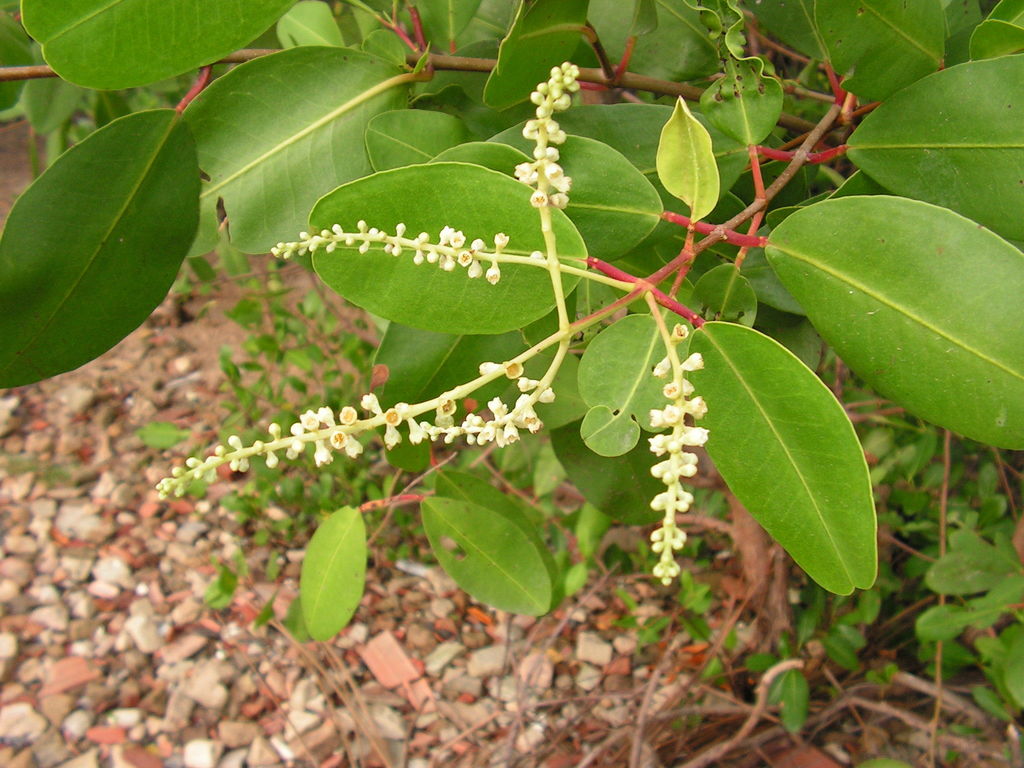
—observations
—countries
—peak records
Least ConcernConservation statusIUCN Red List categoriesLCNTVUENCREWEXLeast ConcernRed List categories, explained →
Diet & prey
- Sunlight
- Dissolved Minerals
- Atmospheric Carbon Dioxide
Predators
- Mangrove Tree Crab
- Mangrove Caterpillars
- West Indian Manatee
ThreatsCoastal development, aquaculture clearing, pollution, sea-level rise
HabitatsTidal estuaries, coastal lagoons, saltwater marshes, mangrove fringes
Life span30–50 years
Size / weightNot available
Classification
- FamilyCombretaceae
- SpeciesLaguncularia racemosa
Range data is not available yet.
Interaction riskLow
- Low
- Moderate
- High
- Very high
- Why interaction risk is low
- Safe to observe at a normal distance.
Responsible observation
- Leaf Inspection: Look closely at the leaf stem to spot the two small, raised salt-excreting glands.
- Root Viewing: Examine exposed mud at low tide to observe short, blunt peg roots emerging around the trunk.
- Boardwalk Etiquette: Stay on designated boardwalks or kayak trails to avoid trampling sensitive tidal roots.
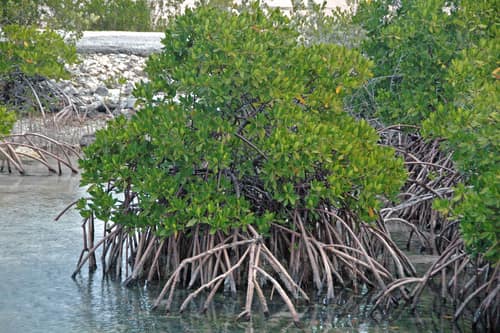
Frequent Companion (c) James St. John, some rights reserved (CC BY) · cc-by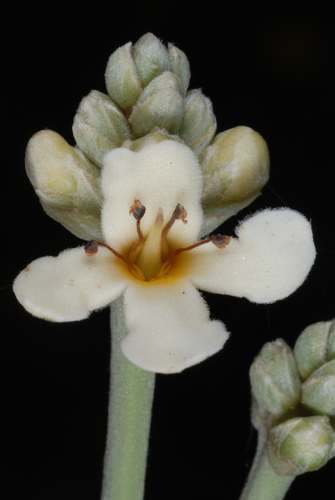
Frequent Companion (c) Douglas Goldman, some rights reserved (CC BY-SA), uploaded by Douglas Goldman · cc-by-sa
Herbivore (c) Annika Lindqvist, some rights reserved (CC BY), uploaded by Annika Lindqvist · cc-by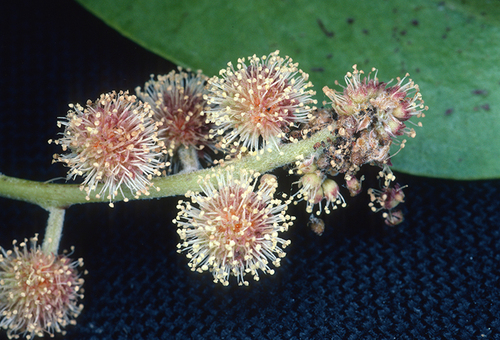
Same Family (c) Douglas Goldman, some rights reserved (CC BY-SA), uploaded by Douglas Goldman · cc-by-sa
Help improve the field guideSomething wrong?
Checking your Fauna account…Report a name, category, or profile issue for review.