
Plant · GBIF taxon 3188725
Crape-myrtle
Lagerstroemia indicaAlso known as Crepe Myrtle, Indian Lilac
Crape-myrtles produce showy, tissue-paper-like floral clusters throughout late summer when few other woody plants are in bloom. Smooth, mottled bark peels annually to reveal contrasting shades of cinnamon, beige, and sage green along sinuous trunks. In autumn, the foliage transforms into brilliant shades of orange, yellow, and red before shedding to expose a sculpted winter silhouette.
Flowering TreeDeciduousOrnamental
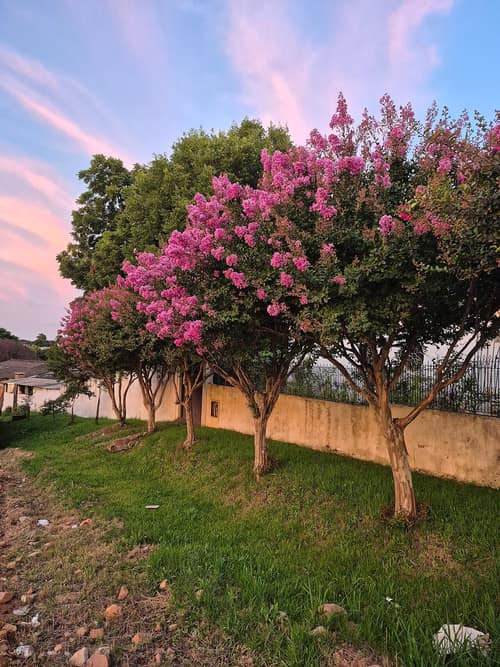
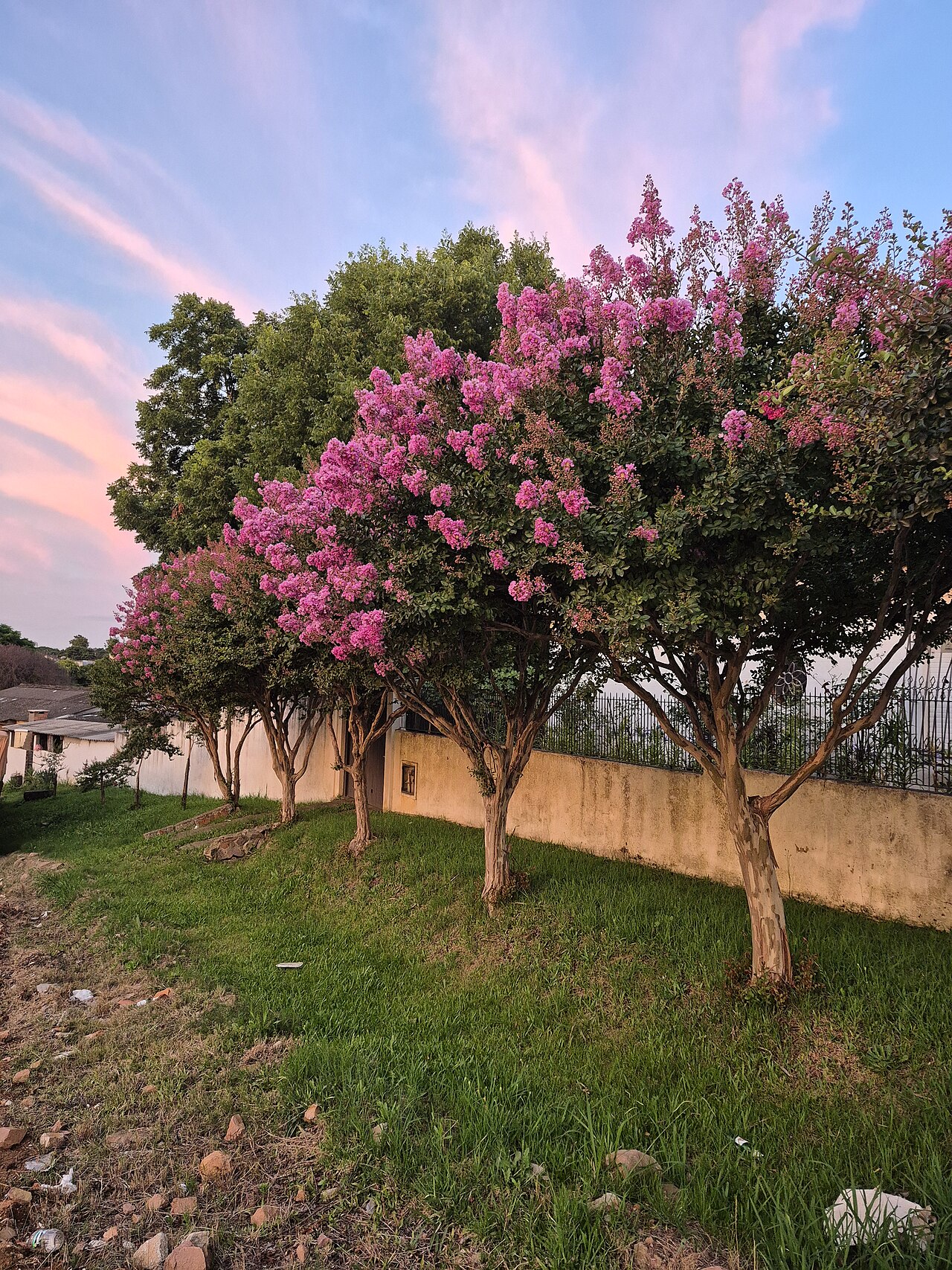
—observations
—countries
—peak records
Not EvaluatedConservation statusIUCN Red List categoriesLCNTVUENCREWEXNot Evaluated — not placed on the risk ladderRed List categories, explained →
Diet & prey
- Autotrophic (Photosynthetic)
Predators
- Crape Myrtle Bark Scale
- Japanese Beetles
- Aphids
ThreatsCrape myrtle bark scale, powdery mildew, severe pruning
HabitatsSubtropical forests, riverbanks, urban gardens, parks, and roadsides
Life span50–100+ years
Size / weightNot available
Classification
- OrderMyrtales
- FamilyLythraceae
- GenusLagerstroemia
- SpeciesLagerstroemia indica
Range data is not available yet.
Interaction riskLow
- Low
- Moderate
- High
- Very high
- Why interaction risk is low
- Safe to observe at a normal distance.
Responsible observation
- Pruning Practices: Avoid topping or heavy pollarding, which destroys natural form and weakens branch structure.
- Pest Monitoring: Look for white felt-like scales on branches or black sooty mold on leaves indicating sap-sucking insects.
- Fall Viewing: Visit in late autumn to appreciate the vibrant foliage and contrasting mottled bark.
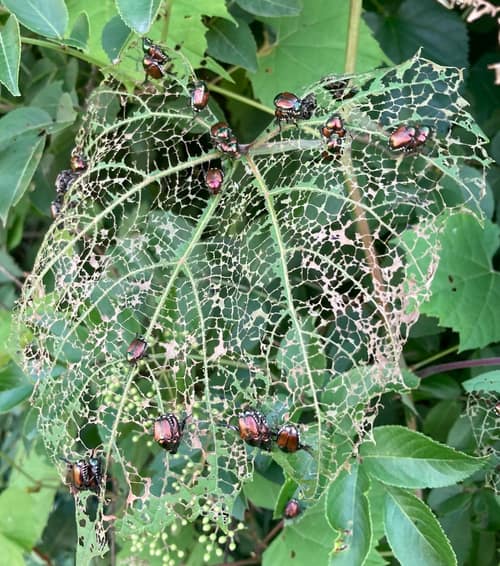
Pest no rights reserved, uploaded by bgirardot · cc0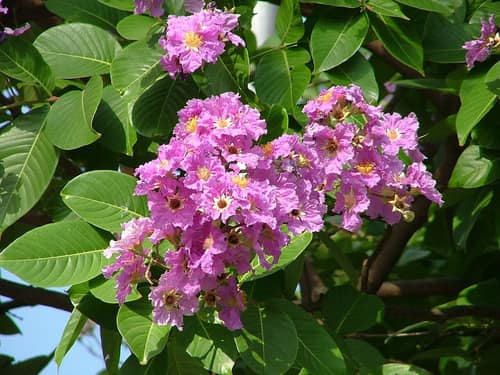
Close Relative The original uploader was Lokenrc at English Wikipedia. / CC BY 2.5 · cc-by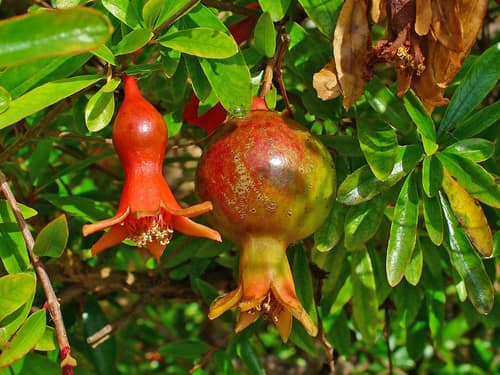
Family Relative (c) H. Zell, some rights reserved (CC BY-SA) · cc-by-sa
Help improve the field guideSomething wrong?
Checking your Fauna account…Report a name, category, or profile issue for review.