
Plant · GBIF taxon 3188724
Giant Crepe-myrtle
Lagerstroemia speciosaAlso known as Queen's Crepe-myrtle, Pride of India, Banaba, Jarul
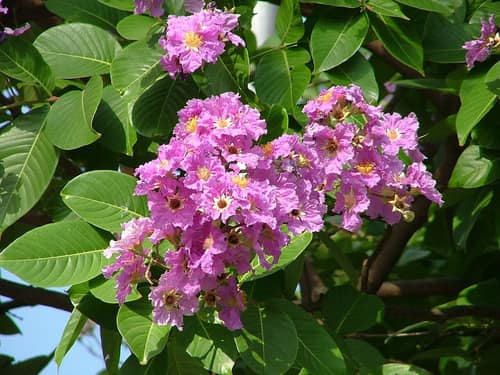
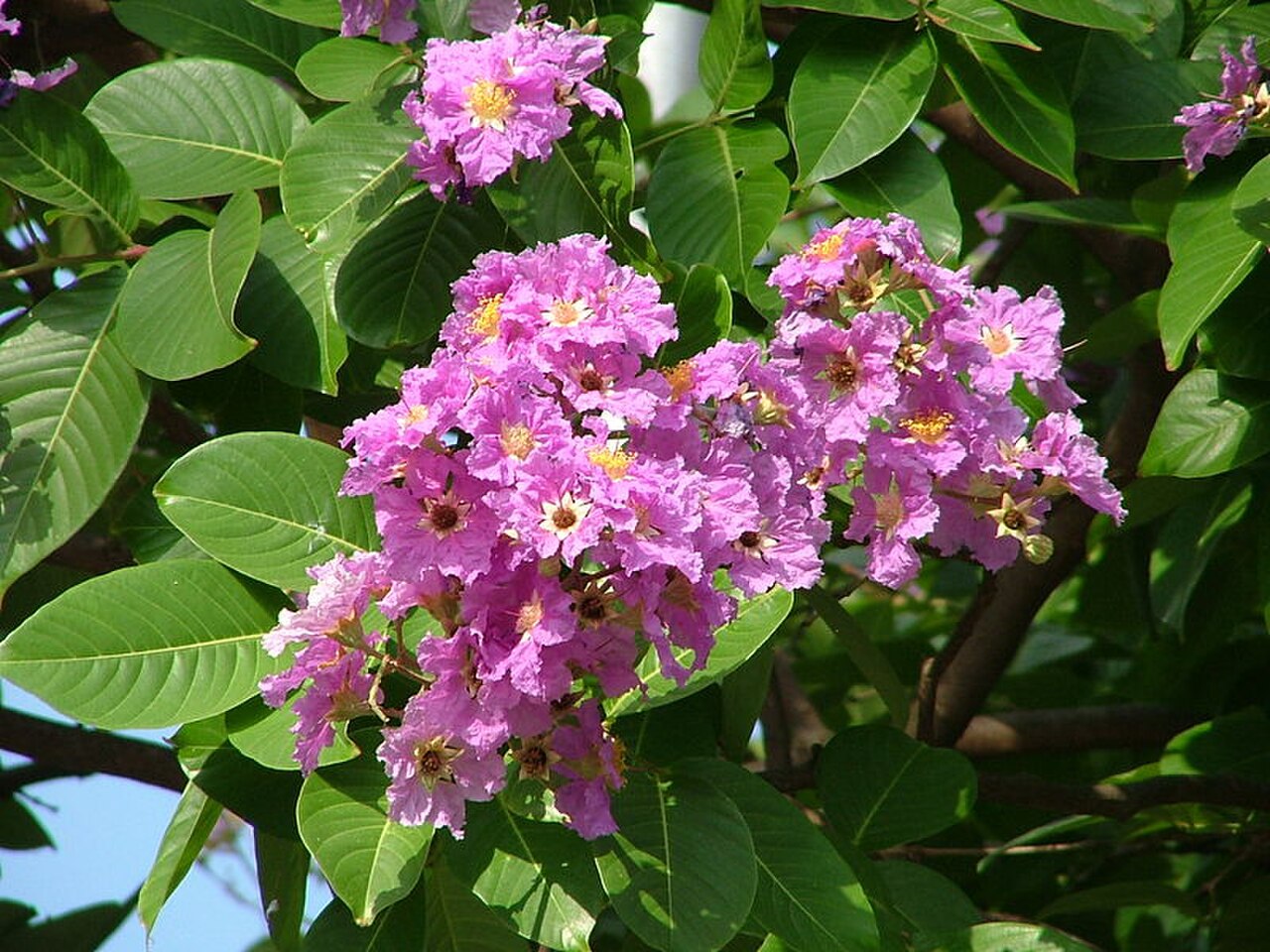
Giant Crepe-myrtle trees dominate tropical canopies with explosive displays of crinkled magenta to light purple flowers that bloom on large terminal spikes. Smooth, flaking grey bark and prominent oblong leaves give the tree year-round visual appeal even after flowers drop. Highly valued in urban forestry and traditional Asian medicine, the wood produces durable timber while the foliage is harvested for herbal tea.
FloweringTreeDeciduous
—observations
—countries
—peak records
Least ConcernConservation statusIUCN Red List categoriesLCNTVUENCREWEXLeast ConcernRed List categories, explained →
Diet & prey
- Autotrophic (photosynthetic)
Predators
Not available
ThreatsLocalized deforestation and unsustainable wild harvest
HabitatsTropical riverbanks, monsoon forests, disturbed areas, cultivated parks
Life span50–150 years
Size / weightNot available
Classification
- OrderMyrtales
- FamilyLythraceae
- GenusLagerstroemia
- SpeciesLagerstroemia speciosa
Range data is not available yet.
Interaction riskLow
- Low
- Moderate
- High
- Very high
- Why interaction risk is low
- Safe to observe from a normal distance.
Responsible observation
- Peak Bloom: Observe during the warm rainy season when large terminal panicles display rich magenta flowers.
- Bark Identification: Look for smooth, pale gray bark that flakes off in thin, papery patches.
- Flower Details: Note the six paper-thin, crinkled petals surrounding a dense cluster of yellow stamens.
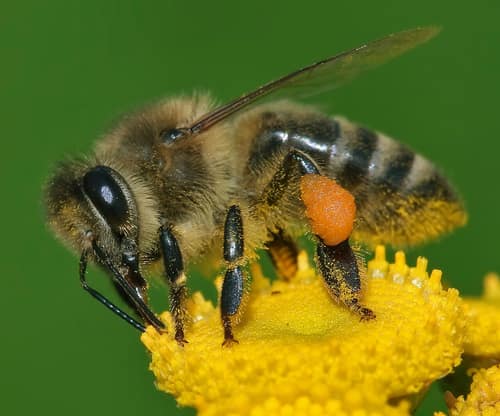
Pollinator Andreas Trepte / CC BY-SA 2.5 · cc-by-sa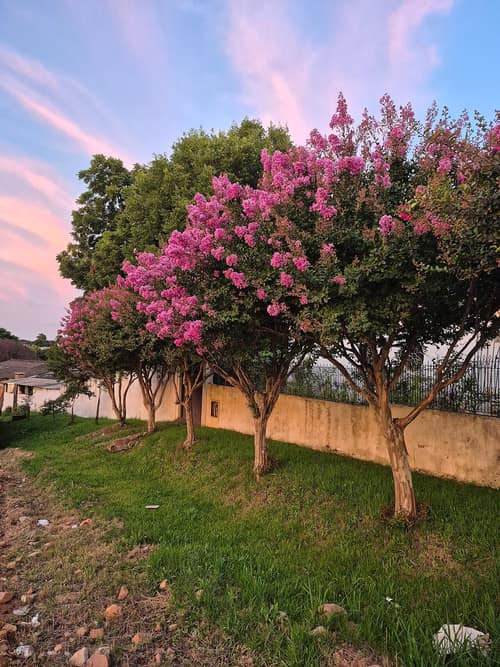
Close Relative Gabriel Collares / CC BY 4.0 · cc-by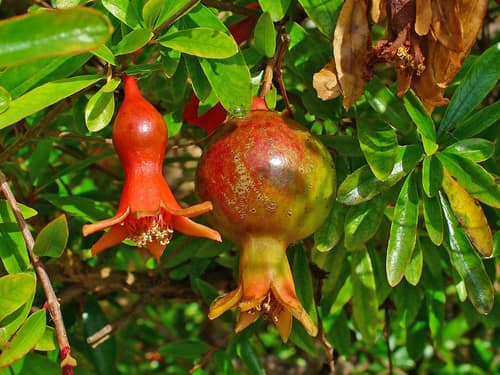
Family Member (c) H. Zell, some rights reserved (CC BY-SA) · cc-by-sa
Help improve the field guideSomething wrong?
Checking your Fauna account…Report a name, category, or profile issue for review.