
Plant
Pōhutukawa
Metrosideros excelsaAlso known as New Zealand Christmas Tree, Iron Tree
Vibrant crimson blossoms dominated by brush-like stamens erupt across coastal bluffs every December, giving this resilient tree its widespread association with southern hemisphere midsummer. Aerial roots dangle from sprawling, contorted boughs, helping anchor mature specimens into sheer rock faces blasted by ocean salt spray. In Māori tradition, an ancient pōhutukawa clinging to the cliff edge at Cape Reinga marks the sacred leaping-off place where departing spirits begin their journey back to the ancestral homeland of Hawaiki.
CoastalEvergreenFlowering
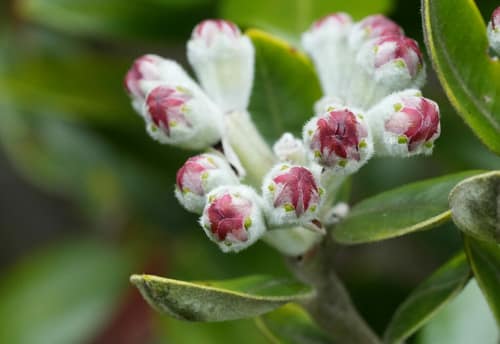
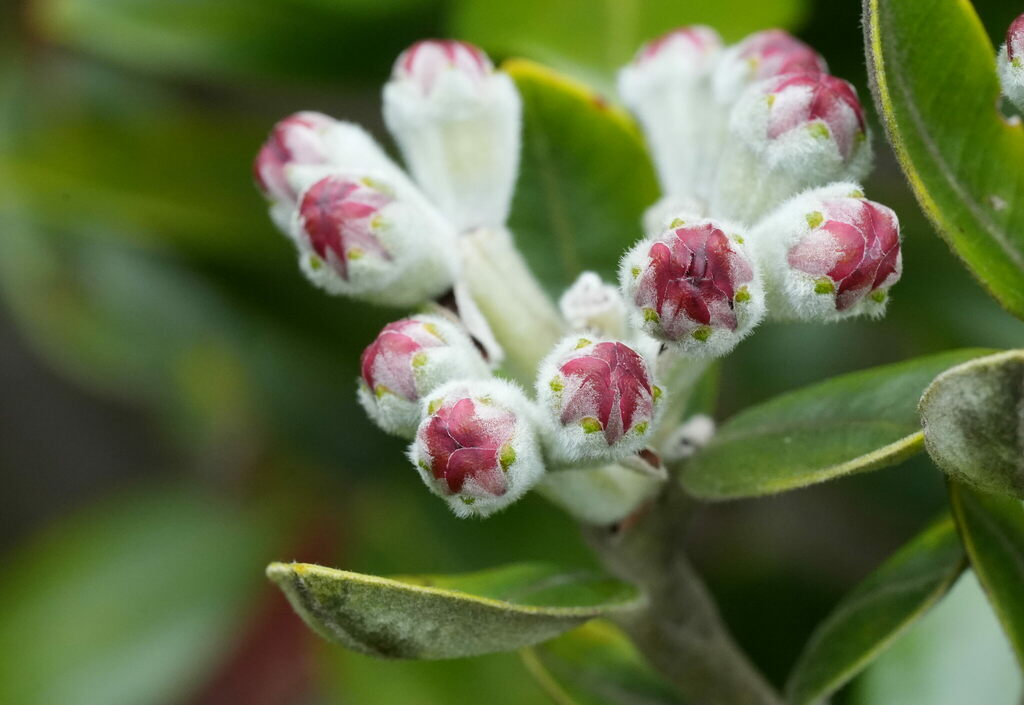
—observations
—countries
—peak records
Least ConcernConservation statusIUCN Red List categoriesLCNTVUENCREWEXLeast ConcernRed List categories, explained →
Diet & preyAutotrophic (photosynthetic)
Predators
- Common Brushtail Possum
ThreatsMyrtle rust infection, browsing by introduced possums, and coastal clearance
HabitatsCoastal cliffs, rocky shores, estuarine fringes, and coastal forest margins
Life span300–1,000 years
Classification
- FamilyMyrtaceae
- SpeciesMetrosideros excelsa
Range data is not available yet.
Interaction riskLow
- Low
- Moderate
- High
- Very high
- Why interaction risk is low
- Safe to observe at a normal distance.
- What to notice
- Recognizable by leathery oval leaves with felty white undersides, twisted grey bark, and massive tufts of red stamens.
- Support conservation
- Avoid picking flowers or trampling exposed root shelves on fragile coastal cliff edges.
Responsible observation
- Flowering Season: Look for peak crimson stamen displays between late November and mid-January.
- Coastal Scouting: Check seaside bluffs and coastal reserves to view sprawling multi-trunk boughs supporting aerial roots.
- Biosecurity Care: Clean footwear and gear before entering native bush to avoid spreading fungal pathogens like myrtle rust.
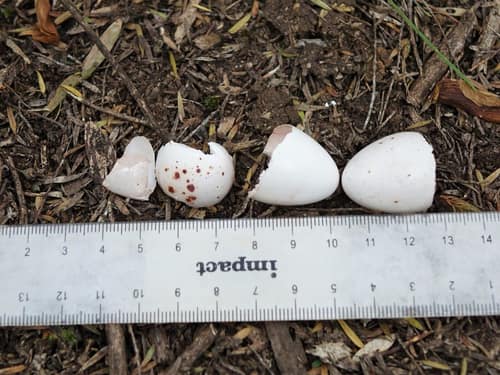
Pollinator (c) Jacqui Geux, some rights reserved (CC BY), uploaded by Jacqui Geux · cc-by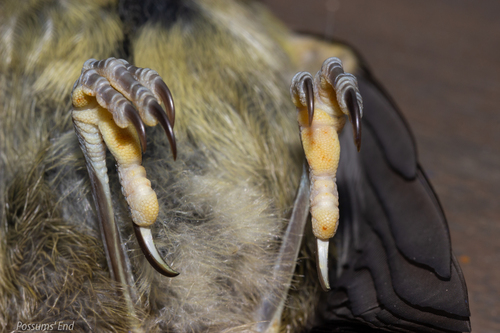
Pollinator (c) Possums' End, some rights reserved (CC BY), uploaded by Possums' End · cc-by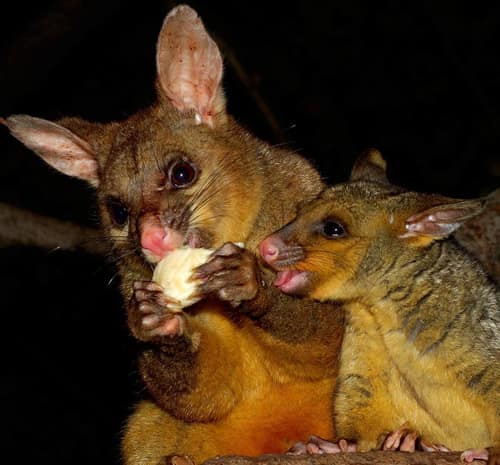
Predator (c) Jes, some rights reserved (CC BY-SA) · cc-by-sa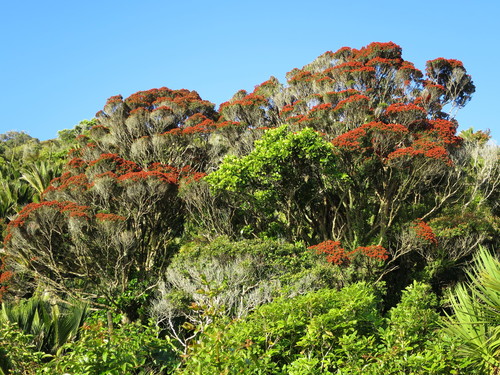
Close Relative (c) Alice Shanks, some rights reserved (CC BY), uploaded by Alice Shanks · cc-by Image unavailable
Close Relative
Help improve the field guideSomething wrong?
Checking your Fauna account…Report a name, category, or profile issue for review.