
Plant · GBIF taxon 3185315
ʻŌhiʻa Lehua
Metrosideros polymorphaAlso known as Ohia Lehua, Ohia, Lehua
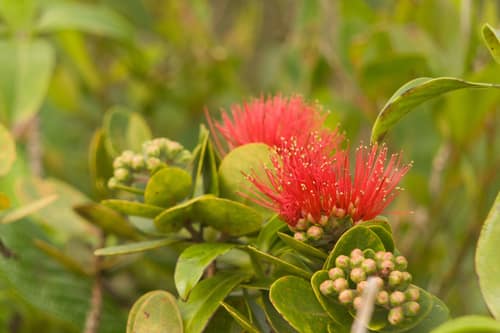
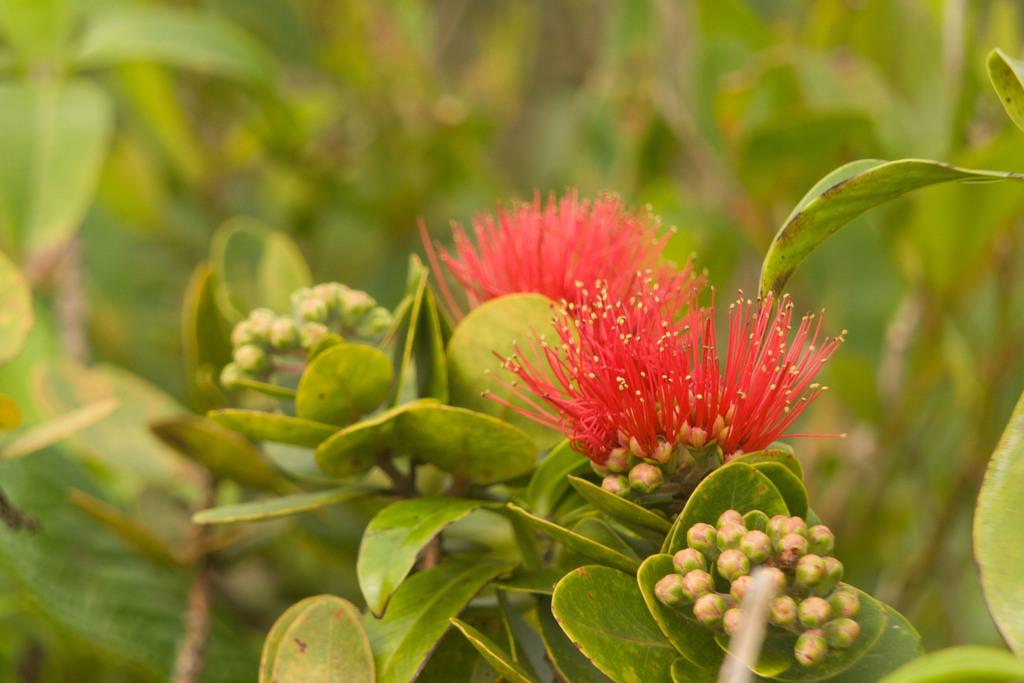
ʻŌhiʻa lehua anchors native Hawaiian ecosystems, ranging from stunted bog shrubs to massive canopy trees towering over wet rainforests. Its vibrant red pom-pom blossoms provide critical nectar for endemic honeycreepers like the ʻiʻiwi and ʻapapane. As an evolutionary pioneer on fresh volcanic lava flows, it heals raw landscapes while building the island chain's primary watersheds.
EndemicFloweringEvergreen
 1 / 7
1 / 7—observations
—countries
—peak records
VulnerableConservation statusIUCN Red List categoriesLCNTVUENCREWEXVulnerableRed List categories, explained →
Diet & prey
- Autotrophic (Photosynthesis)
Predators
- Feral goats
- Feral cattle
- Rats
ThreatsRapid ʻŌhiʻa Death fungal pathogen, habitat loss, invasive plant competition, feral ungulates
HabitatsVolcanic slopes, lowland rainforests, montane forests, wet bogs, shrublands
Life span100–500+ years
Classification
- FamilyMyrtaceae
- SpeciesMetrosideros polymorpha
Range data is not available yet.
Interaction riskLow
- Low
- Moderate
- High
- Very high
- Why interaction risk is low
- Safe to observe at a normal distance.
- What to notice
- Recognized by its tufted red or yellow pom-pom blossoms and tough, variable oval leaves on twisted trunks.
- Support conservation
- Clean all footwear and hiking gear before entering native Hawaiian forests, and never move ʻōhiʻa wood between islands.
Responsible observation
- Biosecurity: Clean boots, gear, and vehicle tires with 70% isopropyl alcohol to prevent spreading Rapid ʻŌhiʻa Death.
- Observation: Look for endemic Hawaiian honeycreepers feeding on flower blossoms high in the canopy.
- Cultural respect: Avoid picking blossoms to protect forest health and honor local Hawaiian traditions.
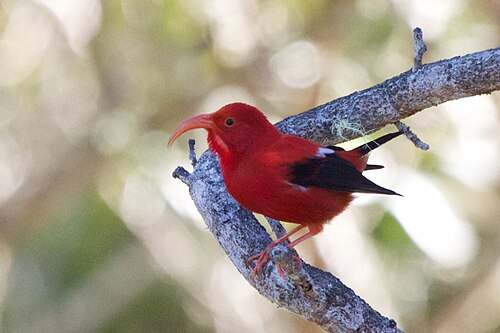
Pollinator HarmonyonPlanetEarth / CC BY 2.0 · cc-by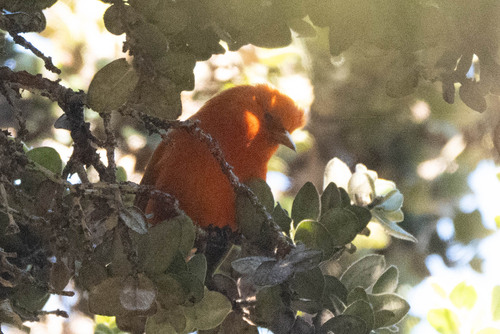
Frequent Companion (c) cello caruso-turiello, some rights reserved (CC BY) · cc-by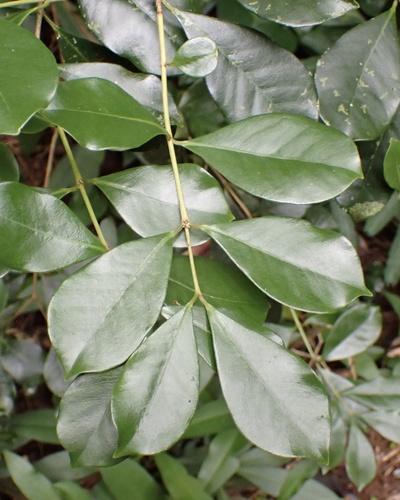
Competitor (c) Thomas Irvine, some rights reserved (CC BY), uploaded by Thomas Irvine · cc-by Image unavailable
Close Relative
Help improve the field guideSomething wrong?
Checking your Fauna account…Report a name, category, or profile issue for review.