
Plant
Southern Rātā
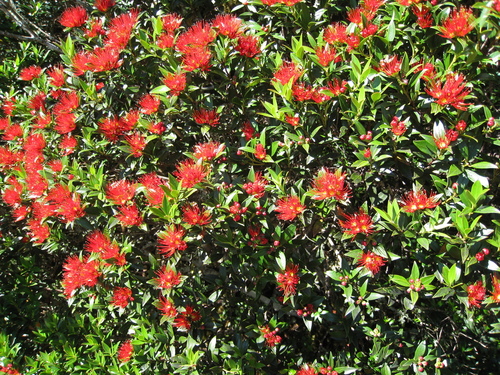
Metrosideros umbellataSouthern rātā forms gnarled, wind-sculpted canopies across New Zealand's South Island, Stewart Island, and the subantarctic Auckland Islands, transforming coastal and montane hillsides crimson during mass summer flowerings. Unlike the northern rātā, which starts life perched high in host trees, this hardy myrtle germinates directly in the ground and grows into a dense, twisted trunk clad in rough, flaking bark. Its nectar-rich brush-like blossoms sustain native honeyeaters such as tūī and bellbirds, though introduced brushtail possums heavily browse its foliage.
EvergreenFloweringEndemic

—observations
—countries
—peak records
Least ConcernConservation statusIUCN Red List categoriesLCNTVUENCREWEXLeast ConcernRed List categories, explained →
Diet & preySunlight, Water, Soil minerals
Predators
- Brushtail possum
- Red deer
- Chamois
ThreatsBrowsing by introduced brushtail possums, myrtle rust, and habitat clearing
HabitatsCoastal to subalpine forests, scrublands, and rocky slopes across the South, Stewart, and Auckland Islands
Life span400–600 years
Classification
- FamilyMyrtaceae
- SpeciesMetrosideros umbellata
Range data is not available yet.
Interaction riskLow
- Low
- Moderate
- High
- Very high
- Why interaction risk is low
- Safe to observe at a normal distance.
Responsible observation
- Summer Blooming: Look for brilliant crimson canopies between December and February, especially after warm springs.
- Biosecurity: Clean footwear and gear before entering forests to help prevent the spread of myrtle rust.
- Birdwatching: Listen near flowering trees at dawn for tūī and bellbirds feeding on the abundant nectar.
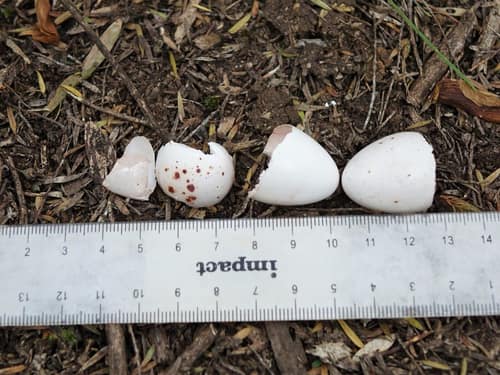
Pollinator (c) Jacqui Geux, some rights reserved (CC BY), uploaded by Jacqui Geux · cc-by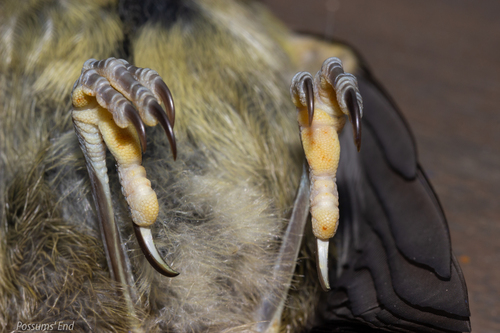
Pollinator (c) Possums' End, some rights reserved (CC BY), uploaded by Possums' End · cc-by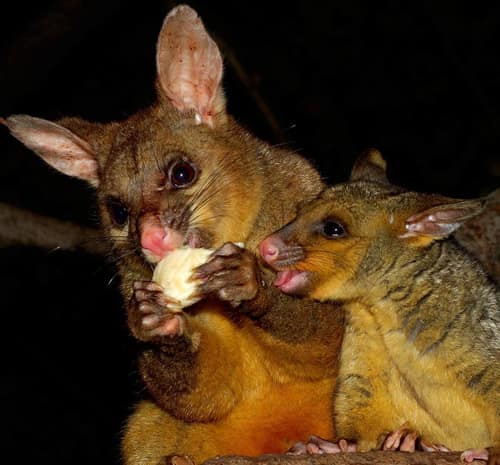
Herbivore (c) Jes, some rights reserved (CC BY-SA) · cc-by-sa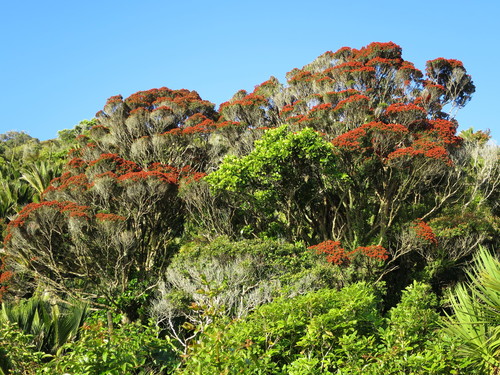
Close Relative (c) Alice Shanks, some rights reserved (CC BY), uploaded by Alice Shanks · cc-by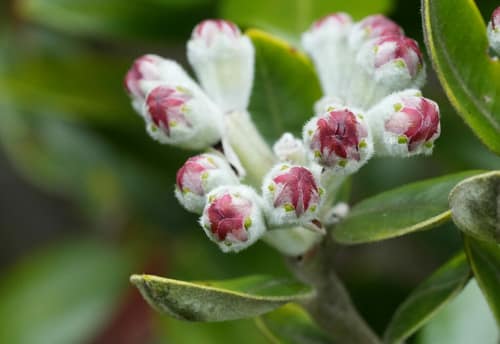
Close Relative (c) William Harland, some rights reserved (CC BY), uploaded by William Harland · cc-by
Help improve the field guideSomething wrong?
Checking your Fauna account…Report a name, category, or profile issue for review.