
Plant
Java Plum
Syzygium cuminiAlso known as Jambolan, Black Plum, Jamun, Jambul
Java plum forms a dense, spreading canopy of smooth, leathery leaves that emit a pleasant turpentine aroma when crushed. Clusters of small, fragrant white flowers bloom on old wood, developing into oblong fruits that mature from pink to deep purplish-black. Frugivorous birds and fruit bats consume the fallen and hanging drupes, spreading seeds widely across tropical lowlands where the tree readily establishes thickets.
EvergreenTropicalInvasive
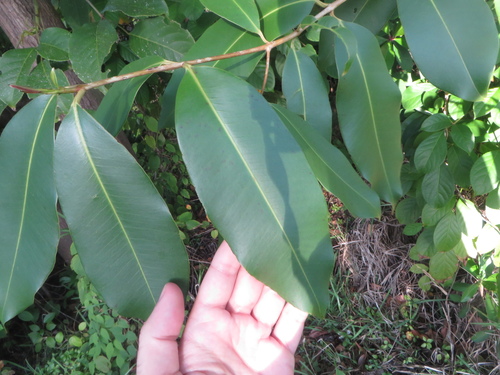
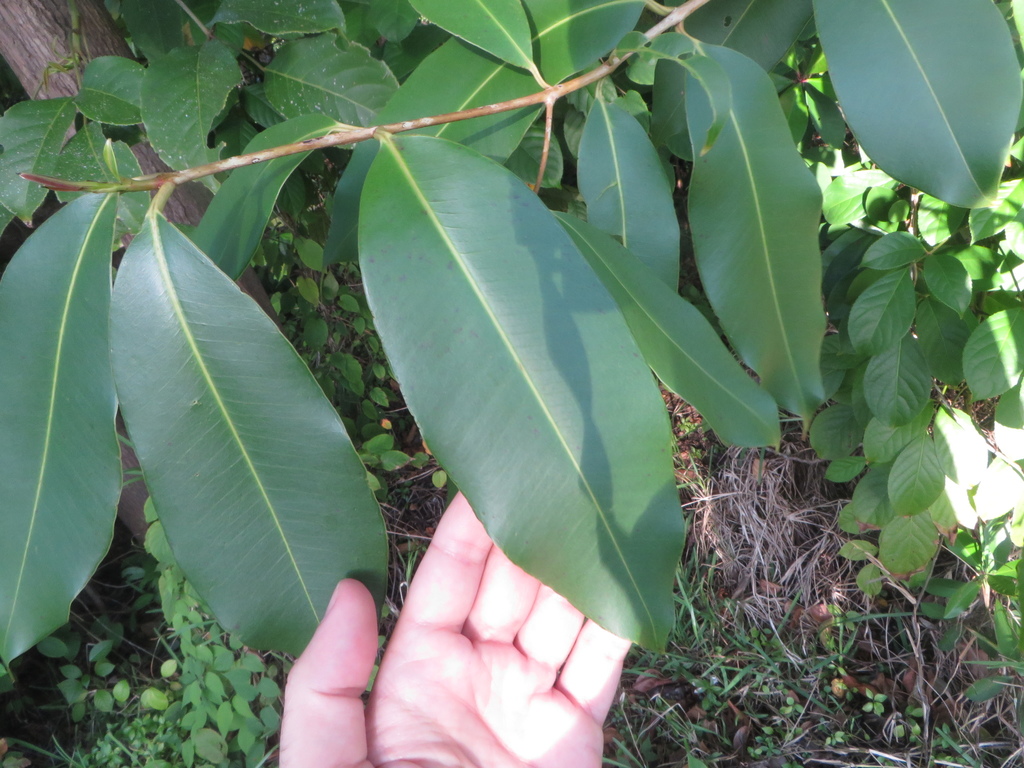
—observations
—countries
—peak records
Least ConcernConservation statusIUCN Red List categoriesLCNTVUENCREWEXLeast ConcernRed List categories, explained →
Diet & preyAutotrophic
Predators
- Fruit bats
- Avian frugivores
ThreatsTargeted for removal in invasive ranges; habitat conversion in native ranges
HabitatsTropical moist forests, riverbanks, wetlands, disturbed lands
Life span100+ years
Classification
- OrderMyrtales
- FamilyMyrtaceae
- GenusSyzygium
- SpeciesSyzygium cumini
Range data is not available yet.
Interaction riskLow
- Low
- Moderate
- High
- Very high
- Why interaction risk is low
- Wild berries have toxic look-alikes; never eat based on app identification alone.
Responsible observation
- Observation: Look for dark purple fruit stains on sidewalks and soil beneath ripe canopies.
- Identification: Crush a fresh leaf to confirm the characteristic eucalyptus-like scent.
- Habitat Note: Check tropical stream margins where water currents aid in seed dispersal.
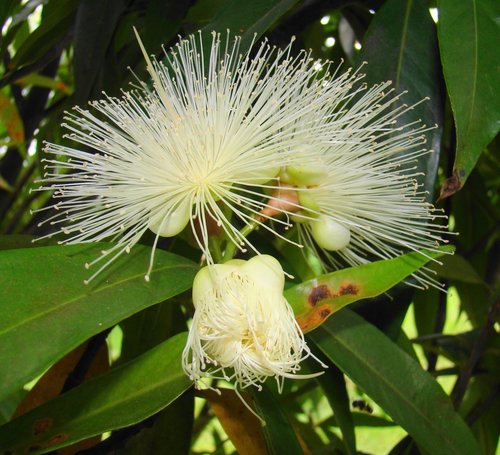
Close Relative (c) mauroguanandi, some rights reserved (CC BY) · cc-by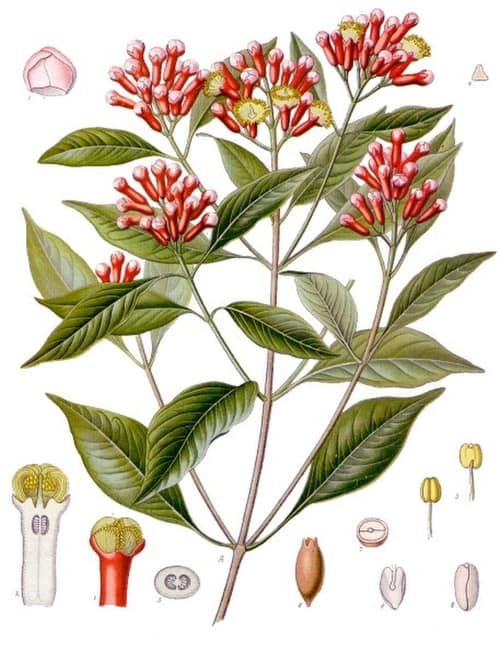
Close Relative Franz Eugen Köhler, Köhler's Medizinal-Pflanzen / Public domain · cc0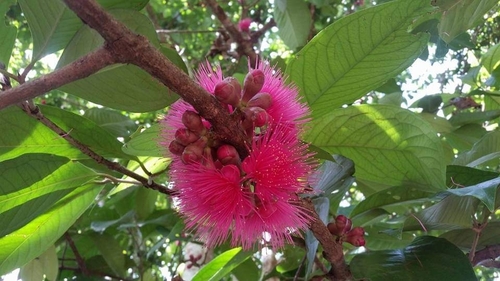
Close Relative (c) Shelomi Doyle, some rights reserved (CC BY) · cc-by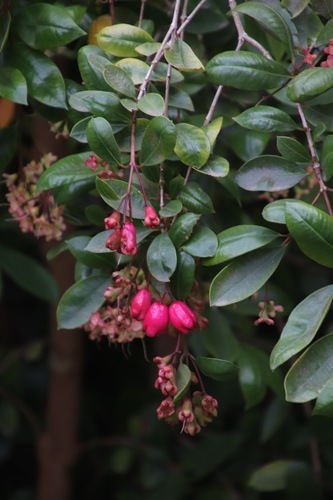
Close Relative (c) Tony Rebelo, some rights reserved (CC BY-SA), uploaded by Tony Rebelo · cc-by-sa
Help improve the field guideSomething wrong?
Checking your Fauna account…Report a name, category, or profile issue for review.