
Plant
Mānuka
Leptospermum scopariumAlso known as Tea Tree, Broom Teatree, Kahikātoa, New Zealand Teatree
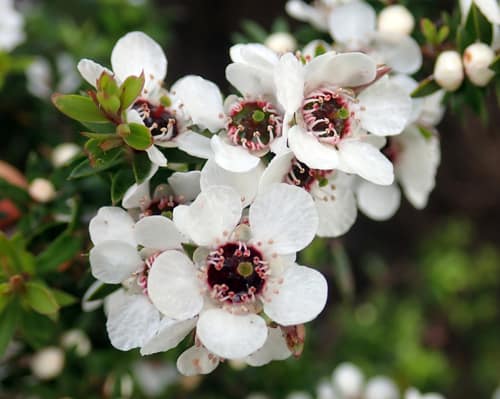
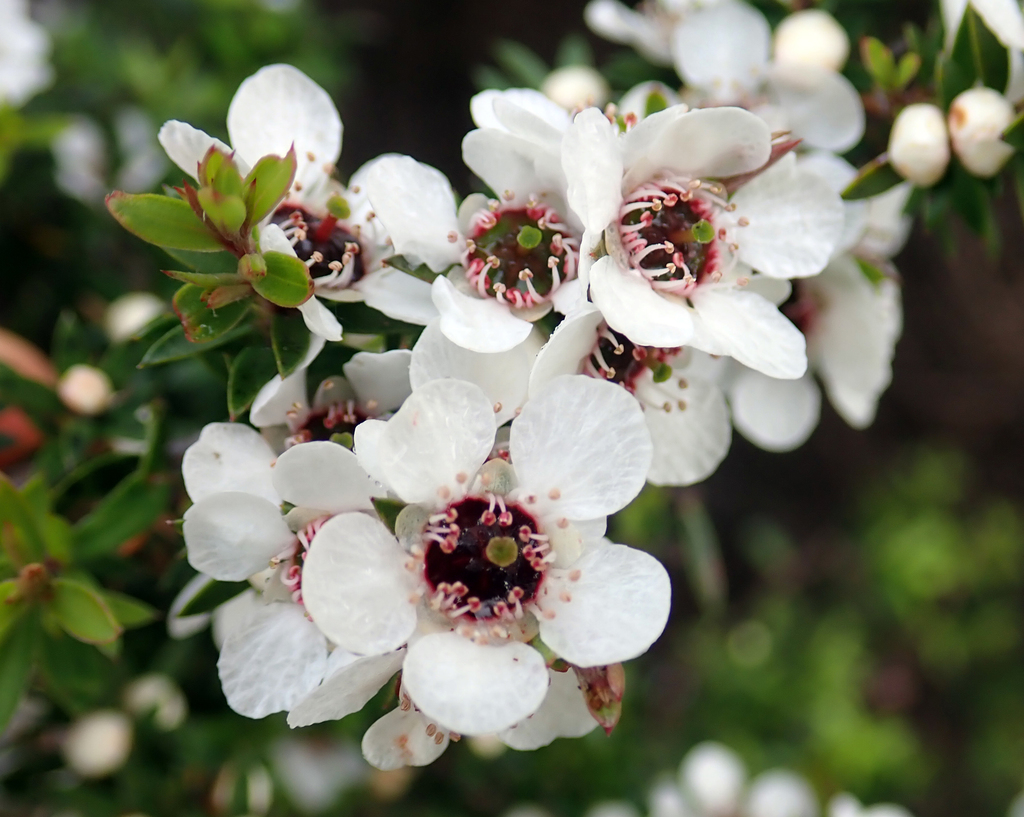
Mānuka functions as a resilient nursery plant across open landscapes, stabilizing degraded soils while sheltering slower-growing forest seedlings beneath its boughs. Its sharply pointed, evergreen leaves release a spicy, pungent scent when bruised, complemented from spring through summer by five-petaled white or pale pink blossoms. In addition to anchoring early forest succession, this durable shrub provides vital nectar for hundreds of native invertebrate species.
Pioneer PlantAromaticEvergreen
—observations
—countries
—peak records
Least ConcernConservation statusIUCN Red List categoriesLCNTVUENCREWEXLeast ConcernRed List categories, explained →
Diet & preyAutotrophic (photosynthetic)
Predators
- Brushtail Possum
- Mānuka Beetle
ThreatsMyrtle rust fungus, land development, and browsing by invasive mammals
HabitatsShrublands, forest margins, peat bogs, coastal cliffs, and regenerating hillsides
Life span30–60 years
Classification
- FamilyMyrtaceae
- SpeciesLeptospermum scoparium
Range data is not available yet.
Interaction riskLow
- Low
- Moderate
- High
- Very high
- Why interaction risk is low
- Safe to observe at a normal distance.
Responsible observation
- Foliage test: Touch leaf tips gently to feel the prickly, needle-like points distinguishing it from kānuka.
- Aroma check: Crush a fallen leaf between your fingers to release the spicy, medicinal scent.
 Image unavailable
Look-alike 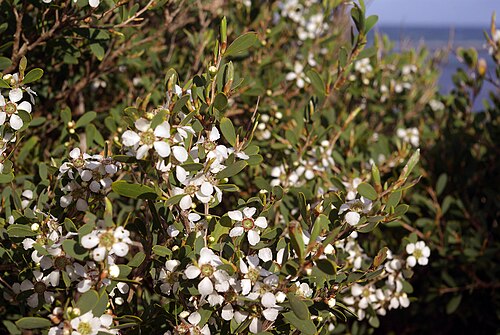
Same Genus Stephen Bain / CC BY-SA 3.0 · cc-by-sa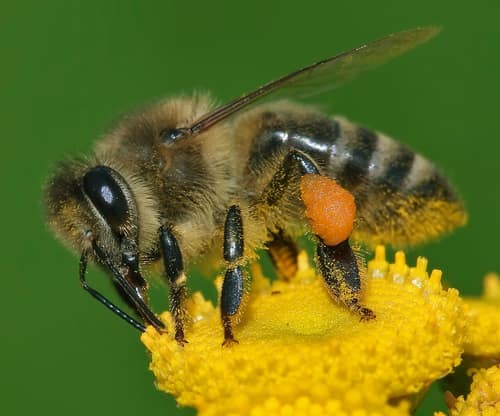
Pollinator Andreas Trepte / CC BY-SA 2.5 · cc-by-saHerbivore
Help improve the field guideSomething wrong?
Checking your Fauna account…Report a name, category, or profile issue for review.