
Plant
Myrtle
Myrtus communisAlso known as Common Myrtle, True Myrtle
Common myrtle is an aromatic evergreen shrub deeply rooted in Mediterranean scrub ecosystems, where its glossy leathery leaves release a clean resinous fragrance when crushed. In late spring and summer, sweet-scented white blossoms burst with prominent starry clusters of stamens, attracting diverse native bees and hoverflies. Autumn brings deep blue-black berries that serve as a crucial seasonal food source for wintering songbirds like thrushes and blackcaps.
EvergreenFragrantAromatic
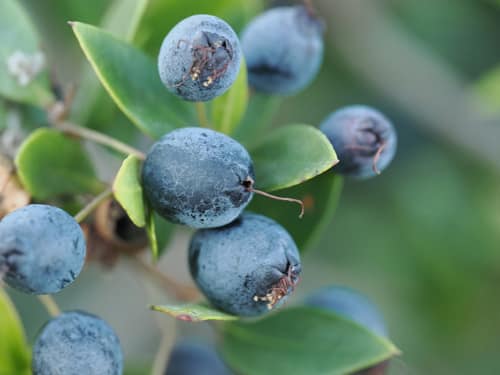
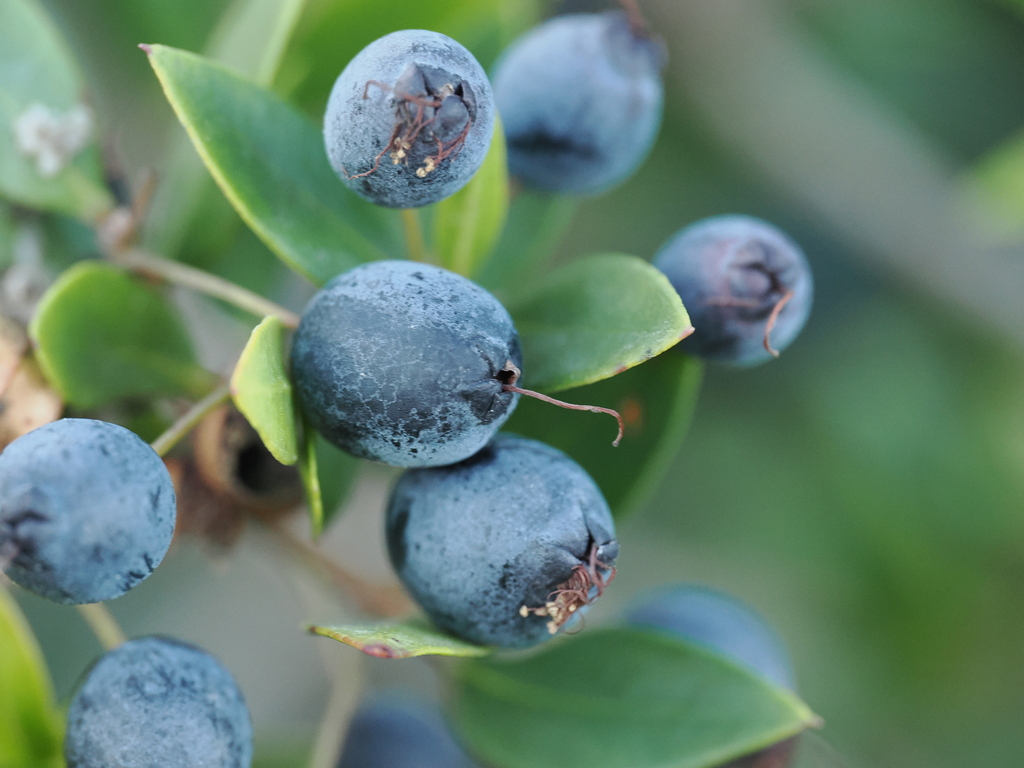
—observations
—countries
—peak records
Least ConcernConservation statusIUCN Red List categoriesLCNTVUENCREWEXLeast ConcernRed List categories, explained →
Diet & preySunlight, Water, Soil nutrients
Predators
- Song Thrush
- Blackcap
- European Rabbit
ThreatsOvergrazing, frequent wildfires, and coastal habitat development
HabitatsMediterranean maquis, garrigue, coastal scrub, and rocky hillsides
Life span50–100 years
Classification
- OrderMyrtales
- FamilyMyrtaceae
- GenusMyrtus
- SpeciesMyrtus communis
Range data is not available yet.
Interaction riskLow
- Low
- Moderate
- High
- Very high
- Why interaction risk is low
- Wild berries have toxic look-alikes; never eat based on app identification alone.
Responsible observation
- Foliage scent: Gently brush the leaves between your fingers to release the classic spicy aroma without damaging the plant.
- Bloom watching: Inspect the dense starburst of stamens in early summer to spot native solitary bees gathering pollen.
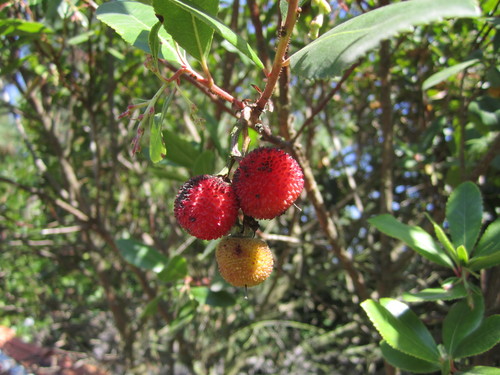
Frequent Companion (c) Duarte Frade, some rights reserved (CC BY), uploaded by Duarte Frade · cc-by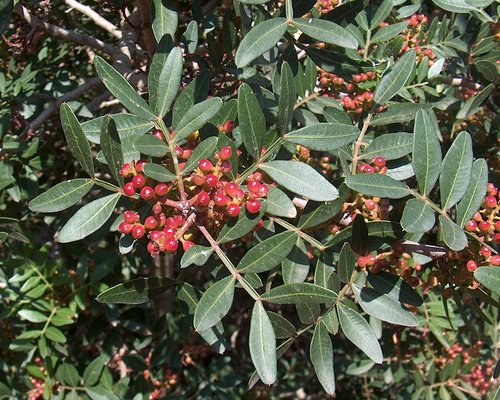
Frequent Companion (c) anonymous, some rights reserved (CC BY-SA) · cc-by-sa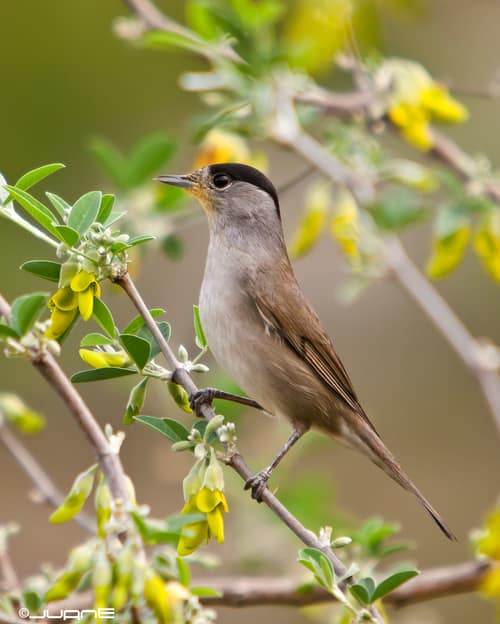
Seed Disperser (c) Juan Emilio, some rights reserved (CC BY-SA) · cc-by-sa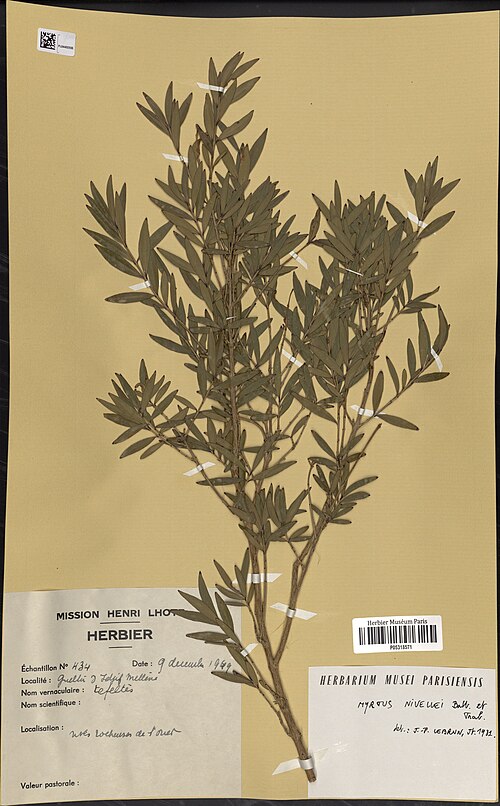
Close Relative Muséum National d'Histoire Naturelle / CC BY 4.0 · cc-by
Help improve the field guideSomething wrong?
Checking your Fauna account…Report a name, category, or profile issue for review.