
Plant · GBIF taxon 3177295
Jarrah
Eucalyptus marginataAlso known as Djarraly, Swan River Mahogany
Jarrah trees dominate the iron-rich lateritic soils of southwestern Australia, growing massive underground lignotubers that allow them to resprout after severe bushfires. Their dense, insect-resistant red timber earned them the historic colonial name Swan River mahogany, though Noongar tradition knows the tree as djarraly. Today, these ancient forest giants face mounting pressure from jarrah dieback, a destructive soil-borne water mold that attacks root systems.
TreeEucalyptusHardwood
—observations
—countries
—peak records
Near ThreatenedConservation statusIUCN Red List categoriesLCNTVUENCREWEXNear ThreatenedRed List categories, explained →
Diet & prey
- Autotrophic
Predators
- Jarrah Leafminer
- Gumtree Weevil
- Baudin's Black Cockatoo
ThreatsJarrah dieback (Phytophthora cinnamomi), climate change, land clearing
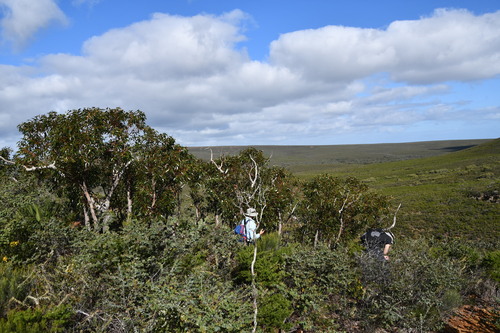
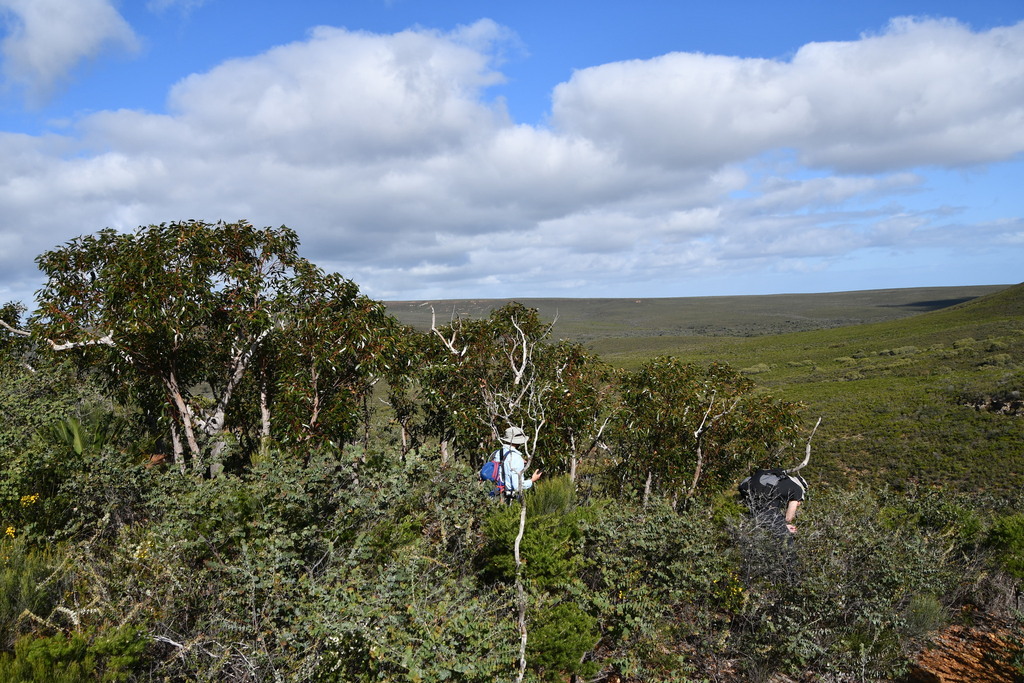
HabitatsEucalypt forests, woodlands, ironstone gravel slopes
Life span300–500 years
Size / weightNot available
Classification
- FamilyMyrtaceae
- SpeciesEucalyptus marginata
Range data is not available yet.
Interaction riskLow
- Low
- Moderate
- High
- Very high
- Why interaction risk is low
- Safe to observe at a normal distance.
- What to notice
- Recognized by fibrous grey-brown bark, creamy summer flowers, and spherical woody capsules in southwestern forests.
- Support conservation
- Always use boot-washing stations and remain on designated tracks to avoid spreading infected soil into clean forest zones.
Responsible observation
- Forest Etiquette: Scrub footwear clean at trailhead wash stations to prevent spreading jarrah dieback spores.
- Spotting Wildlife: Check mature canopy hollows for roosting cockatoos and arboreal marsupials.
- Bark Identification: Look for rough, fibrous, dark grey-brown bark with deep longitudinal fissures.
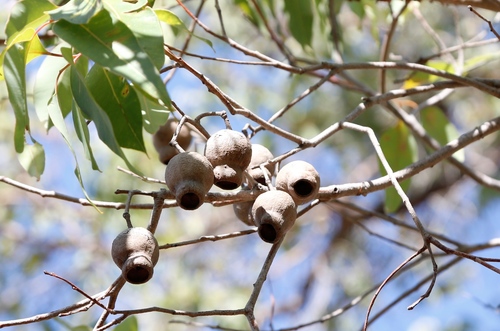
Frequent Companion (c) Margaret Langley, some rights reserved (CC BY), uploaded by Margaret Langley · cc-by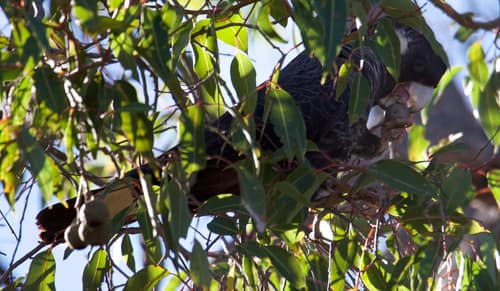
Seed Consumer (c) Ruth Clark, some rights reserved (CC BY) · cc-by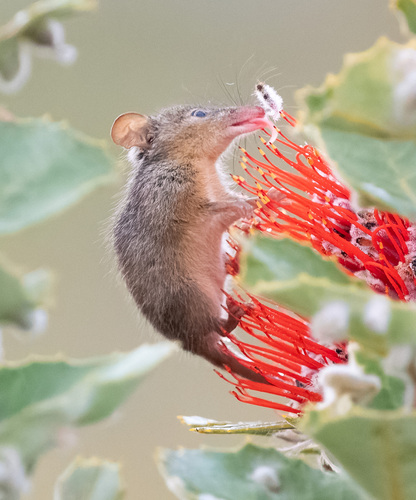
Pollinator (c) Simon Colenutt, some rights reserved (CC BY), uploaded by Simon Colenutt · cc-by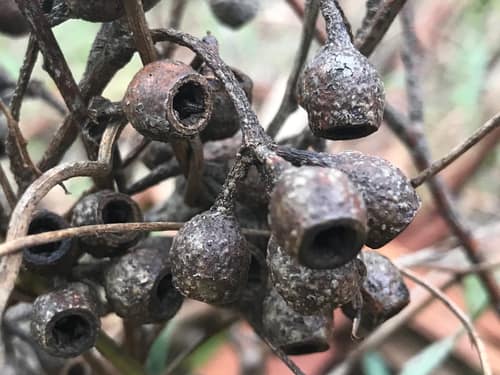
Close Relative (c) Ann Bentley, some rights reserved (CC BY), uploaded by Ann Bentley · cc-by
Help improve the field guideSomething wrong?
Checking your Fauna account…Report a name, category, or profile issue for review.