Manna gums shed long ribbons of smooth, pale bark each year, leaving clean cream or grey trunks that gleam in the forests of south-eastern Australia. When chewed by insects or stressed by heat, the bark and leaves exude a sweet, crumbly white sap called manna that drops to the forest floor and attracts ants, birds, and gliders. As a cornerstone species of Australian woodlands, these towering eucalypts provide both essential shelter and a primary food source for koalas.
Diet & preyPhotosynthetic autotroph (sunlight, water, and soil minerals); absorbs nutrients through mycorrhizal roots
Predators
Koala
Common Brushtail Possum
Christmas Beetle
ThreatsHabitat clearing, severe bushfires, drought stress, and canopy dieback
HabitatsRiparian forests, moist valleys, and grassy woodlands across south-eastern Australia
Life span150–250 years
Classification
OrderMyrtales
FamilyMyrtaceae
GenusEucalyptus
SpeciesEucalyptus viminalis
Range & activity
Range data is not available yet.
Safe observation
Interaction riskHigh
Low
Moderate
High
Very high
Why interaction risk is high
Leaves and essential oils are toxic to dogs, cats, and people if ingested; safe to observe from a distance.
Why it is dangerous
Foliage contains eucalyptol (cineole) and cyanogenic compounds that cause vomiting, diarrhea, weakness, and central nervous system depression if chewed or swallowed.
How to recognize a risky encounter
Recognize it by its smooth, pale bark peeling in long ribbons, narrow sickle-shaped adult leaves with a strong camphor scent when crushed, and clusters of three or seven buds.
What to do
Keep pets from chewing fallen leaves or bark, and never ingest wild eucalyptus oils or foliage.
What to notice
Look for tall, pale-barked eucalypts growing along creek lines and moist valleys in south-eastern Australia, often with koala scratch marks on the lower trunk.
Support conservation
Stay on established trails to avoid compacting shallow root zones, and never peel hanging bark or disturb wildlife resting in the canopy.
Responsible observation
Bark Clues: Look for long, dangling strips of shed bark and a smooth, pale trunk with a rough, dark stocking near the base.
Wildlife Watching: Scan the upper forks at dusk or dawn for resting koalas and sap-feeding gliders.
Bud Check: Count the flower buds in each cluster, which typically appear in neat groups of three or seven.

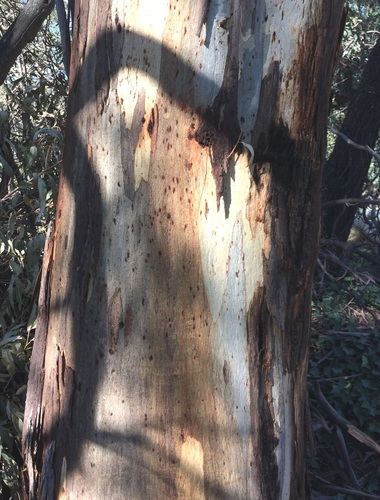
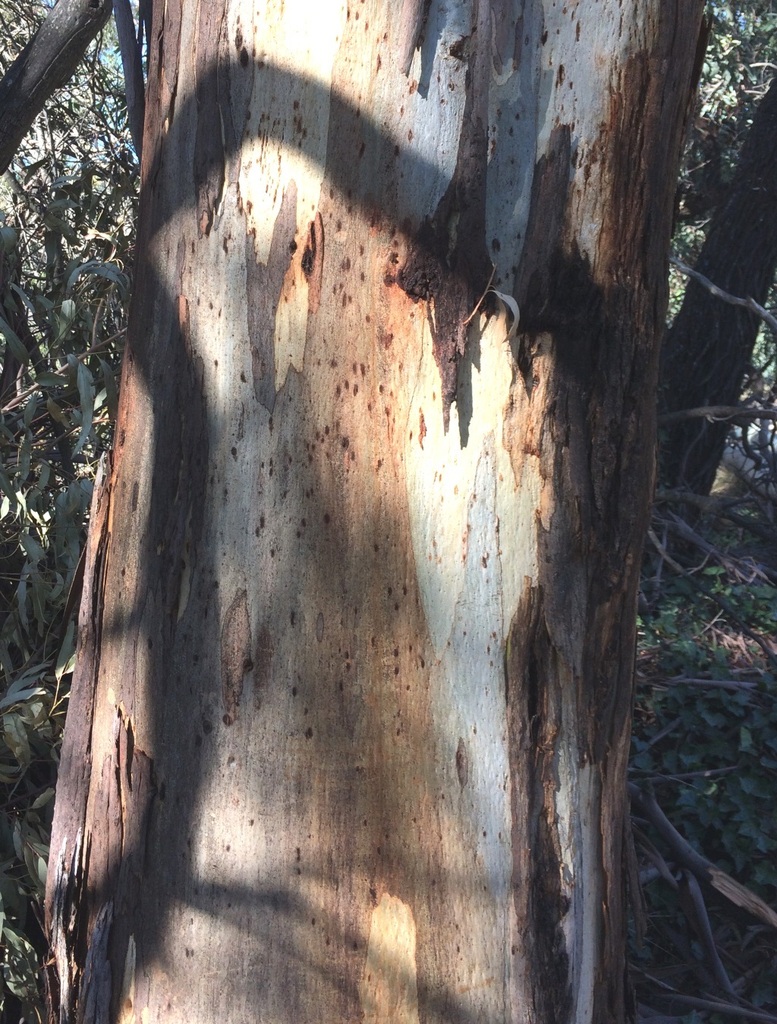
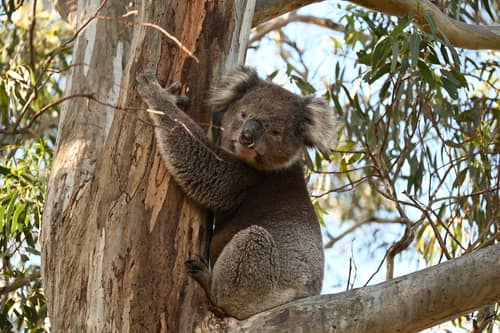
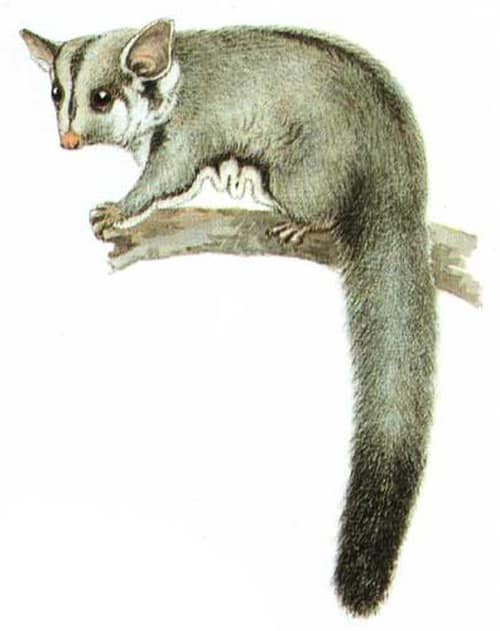
 Image unavailable