
Plant
Karri
Eucalyptus diversicolorSoaring above the forest floor of southwestern Australia, karri ranks among the tallest flowering trees on Earth, regularly exceeding heights of 80 meters. Its straight, column-like trunks shed bark in irregular patches each year, creating a striking mosaic of white, cream, orange, and soft purple hues. Mature groves form open, cathedral-like canopies that host rich communities of epiphytes, mosses, and hollow-nesting wildlife.
AncientCanopyFast-Growing
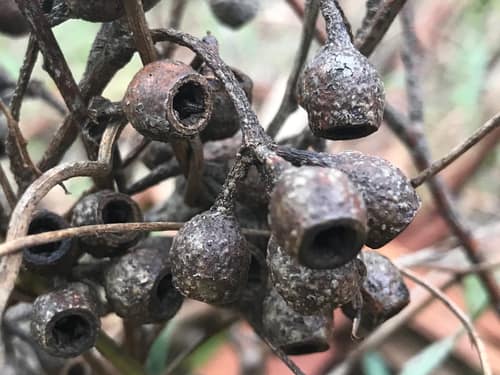
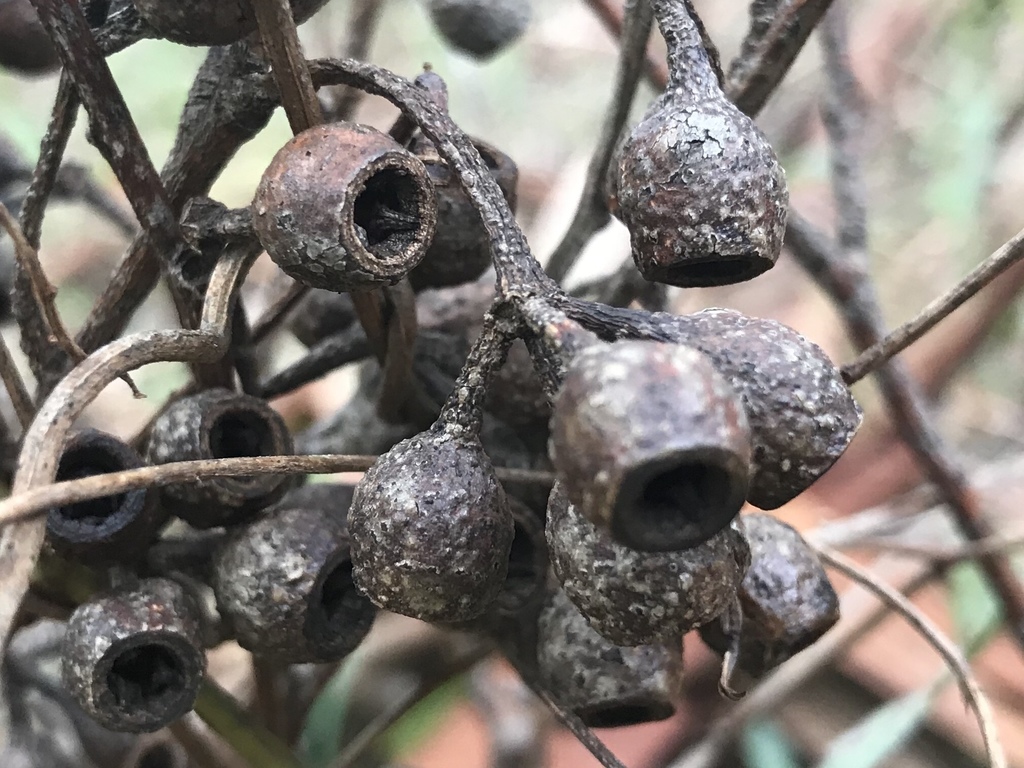
—observations
—countries
—peak records
Least ConcernConservation statusIUCN Red List categoriesLCNTVUENCREWEXLeast ConcernRed List categories, explained →
Diet & preySunlight, Water and soil minerals, Atmospheric carbon dioxide
Predators
- Karri borer larvae
- Gumleaf skeletonizer caterpillars
ThreatsHistorical overlogging, altered fire regimes, and climate-driven rainfall decline
HabitatsHigh-rainfall wet sclerophyll forests and deep loamy valleys
Life span250–500 years
Classification
- FamilyMyrtaceae
- SpeciesEucalyptus diversicolor
Range data is not available yet.
Interaction riskLow
- Low
- Moderate
- High
- Very high
- Why interaction risk is low
- Safe to observe at a normal distance; watch for falling branches in strong winds.
Responsible observation
- Canopy Walks: Take advantage of suspended boardwalks in national parks to explore the mid-canopy layer safely.
- Fire History: Check the lower trunks for blackened bark scars that reveal past bushfire survival.
- Wind Precautions: Avoid lingering beneath mature crowns during severe gales due to falling limb risks.
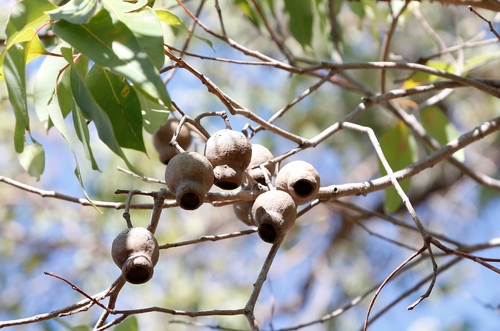
Frequent Companion (c) Margaret Langley, some rights reserved (CC BY), uploaded by Margaret Langley · cc-by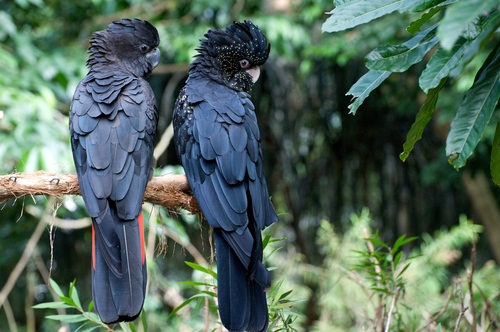
Seed Predator (c) Michael Schmid, some rights reserved (CC BY) · cc-by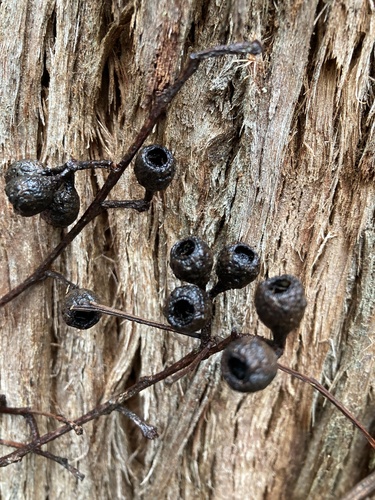
Close Relative (c) pimelea, some rights reserved (CC BY), uploaded by pimelea · cc-by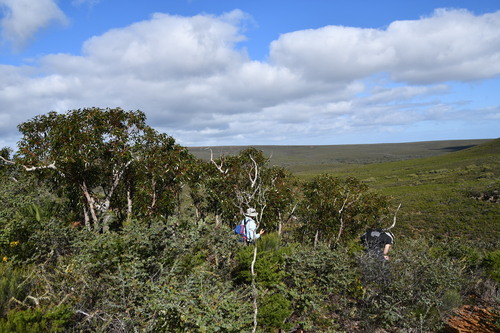
Close Relative (c) Thomas Mesaglio, some rights reserved (CC BY) · cc-by
Help improve the field guideSomething wrong?
Checking your Fauna account…Report a name, category, or profile issue for review.