
Plant
Yate
Eucalyptus cornutaAlso known as Bush Yate
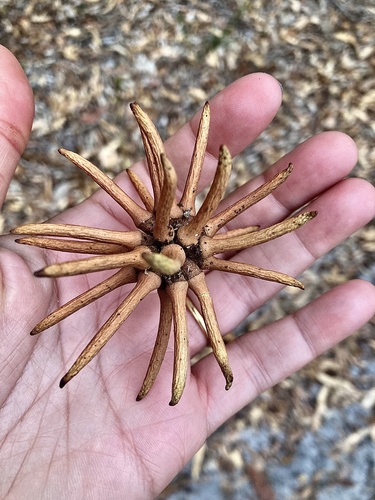
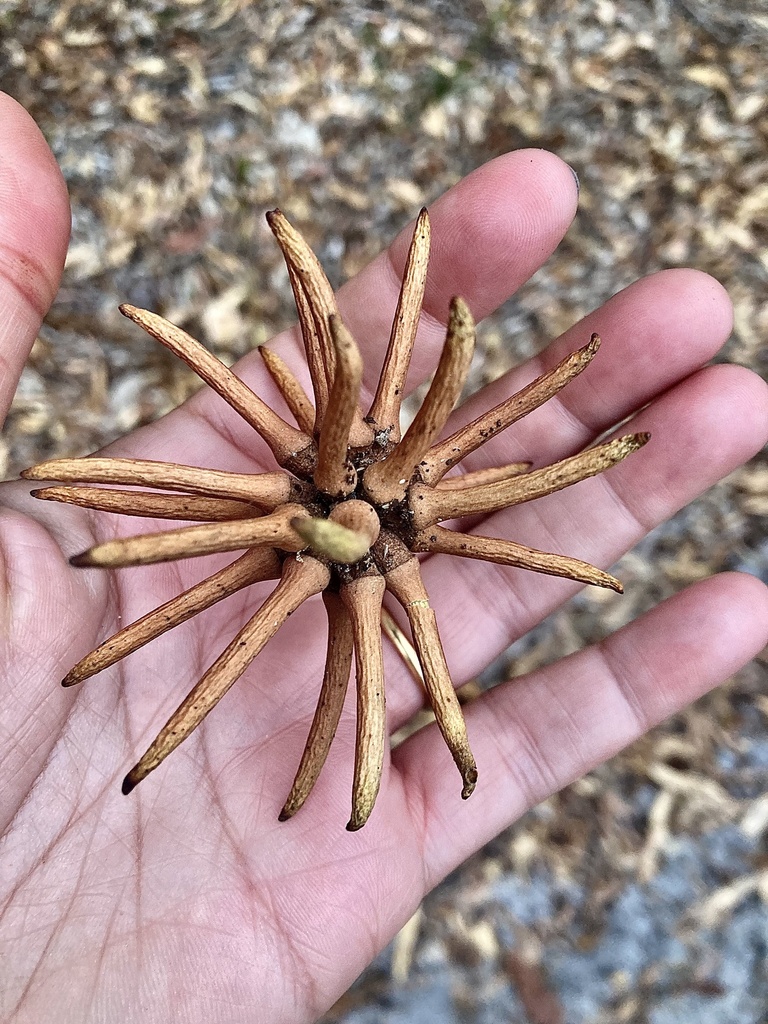
Yate forms a stout tree or spreading mallee famous for its dense, horn-shaped flower bud caps that burst into vibrant yellowish pom-pom blossoms. These heavy flower clusters mature into fused, spiky woody fruit heads where curved valve tips remain locked together. Growing along coastal valleys and granite knolls of southwestern Australia, it produces wood celebrated as one of the hardest and most resilient timbers known.
FloweringHardwoodEndemic
—observations
—countries
—peak records
Near ThreatenedConservation statusIUCN Red List categoriesLCNTVUENCREWEXNear ThreatenedRed List categories, explained →
Diet & preyAutotrophic (photosynthesis)
Predators
- Common brushtail possum
- Longicorn beetle larvae
- Psyllids
ThreatsHabitat fragmentation, altered fire regimes, and dryland salinity
HabitatsGranite outcrops, coastal plains, valley slopes, and creek lines
Life span100–250 years
Classification
- FamilyMyrtaceae
- SpeciesEucalyptus cornuta
Range data is not available yet.
Interaction riskHigh
- Low
- Moderate
- High
- Very high
- Why interaction risk is high
- Foliage contains concentrated essential oils toxic to dogs and cats if chewed.
- Why it is dangerous
- Leaves contain concentrated cineole and phenolic oils that cause vomiting, weakness, and hypersalivation if swallowed by domestic pets.
- How to recognize a risky encounter
- Recognize the lance-shaped green leaves releasing a potent, pungent medicinal scent when crushed.
- What to do
- Prevent curious dogs from chewing fallen foliage or twigs around the base of the tree.
- What to notice
- Look for clusters of elongated, finger-like floral caps perched on thick, flattened stems.
- Support conservation
- Stay on marked trails to prevent soil compaction around sensitive root zones on granite slopes.
Responsible observation
- Bud Identification: Look for horn-shaped opercula up to three centimeters long clustered in dense heads.
- Bark Inspection: Note the transition from dark, fibrous lower bark to smooth upper branches.
- Pet Safety: Keep dogs from gnawing fallen twigs and leaves rich in eucalyptol.
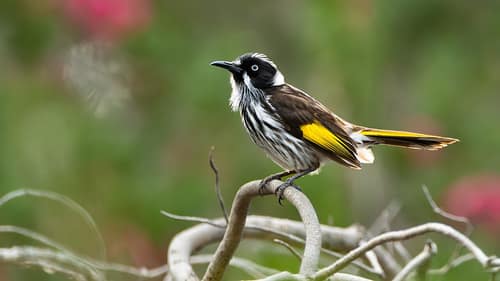
Pollinator Photo by: Paulweberphoto - paulweberphoto.com / CC BY 4.0 · cc-by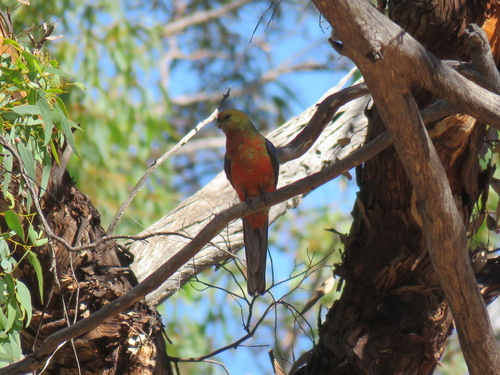
Frequent Companion (c) Donald Hobern, some rights reserved (CC BY) · cc-by Image unavailable
Same Genus 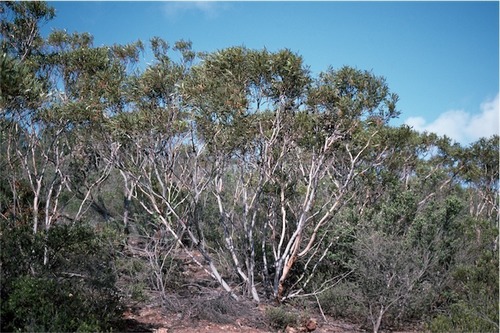
Close Relative (c) Ian Brooker and David Kleinig, some rights reserved (CC BY) · cc-by
Help improve the field guideSomething wrong?
Checking your Fauna account…Report a name, category, or profile issue for review.