Caesia is a graceful, weeping mallee that clings to exposed granite outcrops across southwestern Western Australia, where its curling reddish-brown minniritchi bark peels back to reveal smooth green new wood. From late autumn through spring, waxy bluish-white buds open into cascades of dusty-pink stamens tipped with bright yellow anthers that draw honeyeaters and wattlebirds from afar. Like many mallees, it survives periodic bushfires by resprouting vigorously from an underground lignotuber.
Diet & preyPhotosynthetic autotroph; absorbs water and minerals from shallow granitic soils
Predators
Australian Ringneck
Galah
Western Grey Kangaroo
ThreatsLand clearing, invasive weeds, grazing, and altered fire regimes
HabitatsGranite outcrops and rocky slopes in southwestern Western Australia
Life span50–150+ years (resprouts from lignotuber)
Classification
OrderMyrtales
FamilyMyrtaceae
GenusEucalyptus
SpeciesEucalyptus caesia
Range & activity
Range data is not available yet.
Safe observation
Interaction riskHigh
Low
Moderate
High
Very high
Why interaction risk is high
Leaves contain essential oils toxic to pets and humans if ingested; safe to observe and touch.
Why it is dangerous
Leaves and seed capsules contain 1,8-cineole (eucalyptol) and related essential oils that cause vomiting, diarrhea, lethargy, and central nervous system depression if chewed or swallowed, especially in dogs and cats.
How to recognize a risky encounter
Recognize it by its curling reddish-brown minniritchi bark, powdery white twigs and buds, and hanging clusters of pink, yellow-anthered flowers.
What to do
Observe and photograph from a normal distance, and keep curious pets from chewing fallen leaves or woody capsules.
Responsible observation
Timing: Visit between late autumn and early spring to see the pink blossoms in full display.
Wildlife Watching: Listen for honeyeaters and wattlebirds feeding in the weeping canopy.
Bark Detail: Admire the curling reddish-brown bark flakes visually without pulling them from the trunk.

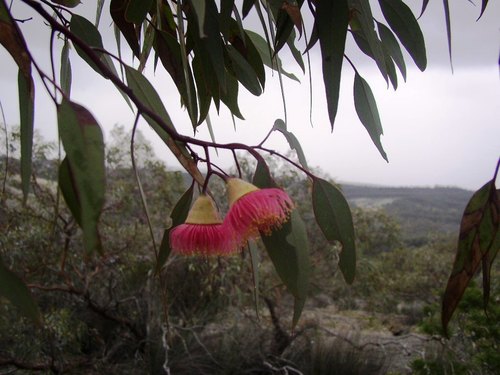
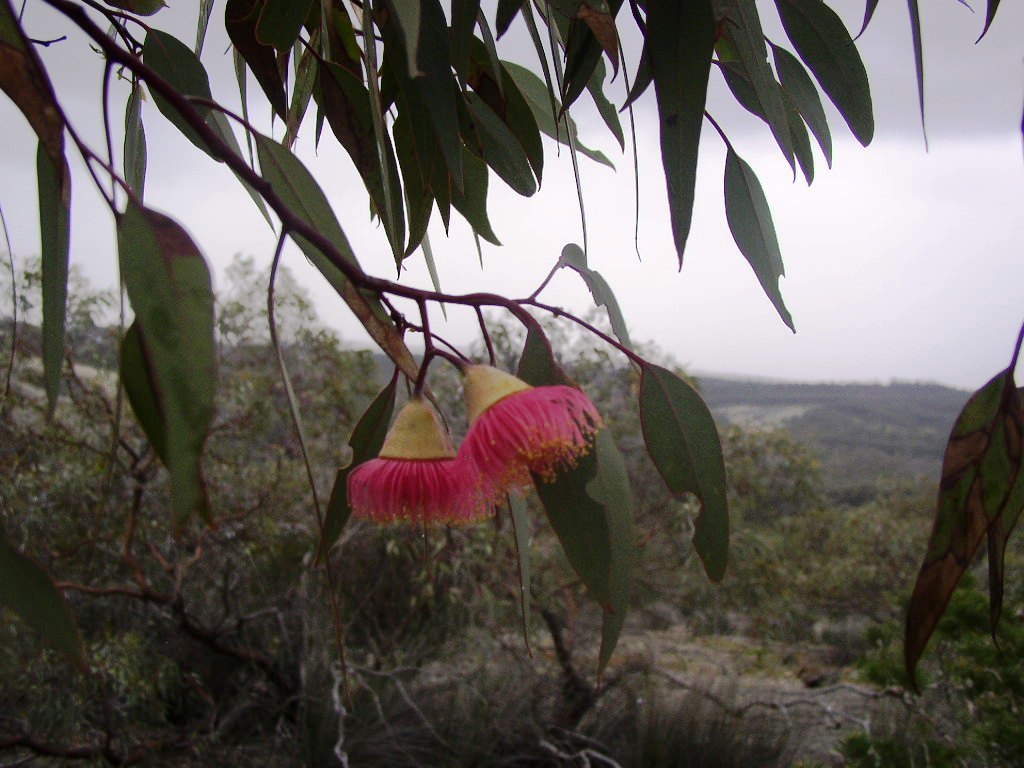
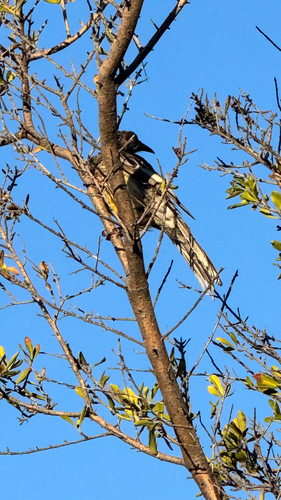
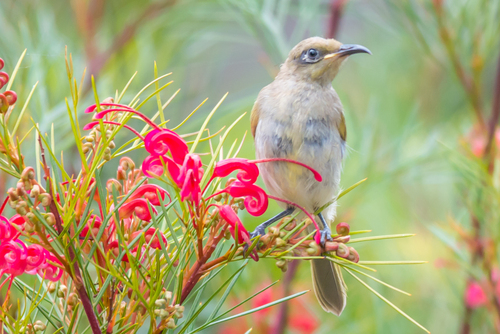
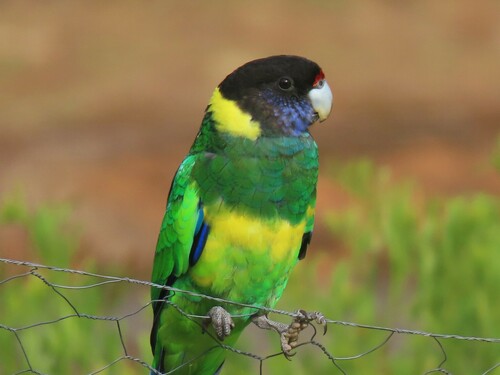
 Image unavailable