
Plant
Butterfly Bush
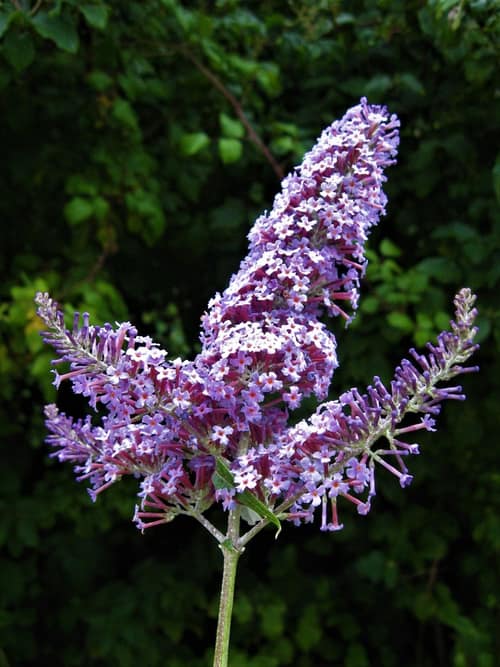
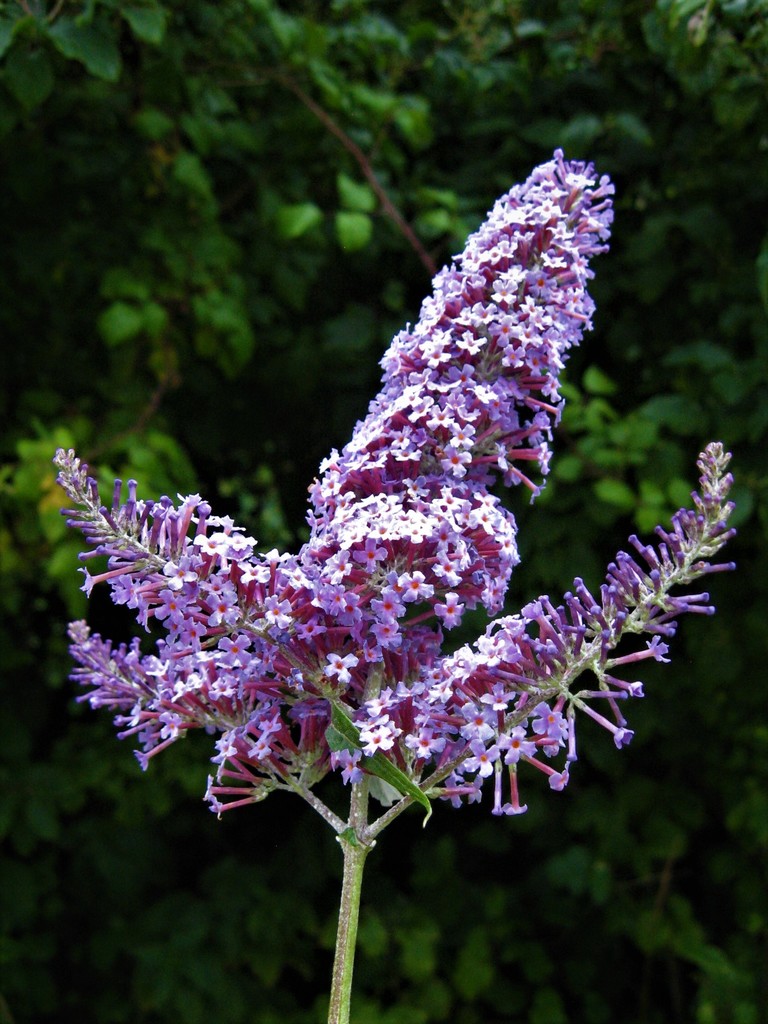
Buddleja davidiiAlso known as Orange Eye, Summer Lilac
Arching stems carry dense, conical spikes of honey-scented purple blossoms that draw dozens of butterfly and bee species from midsummer through autumn. Native to central and western China, this fast-growing shrub thrives in nutrient-poor soils, quickly colonizing railway embankments, riverbeds, and urban ruins. Thousands of tiny wind-dispersed seeds allow robust populations to naturalize far beyond garden borders.
ShrubFloweringInvasive
—observations
—countries
—peak records
Not EvaluatedConservation statusIUCN Red List categoriesLCNTVUENCREWEXNot Evaluated — not placed on the risk ladderRed List categories, explained →
Diet & preyAutotrophic (Photosynthetic)
Predators
- Mullein Moth Caterpillars
- Two-Spotted Spider Mites
- Aphids
ThreatsMechanical clearing, targeted herbicides, biological control beetles
HabitatsDisturbed ground, riverbanks, roadsides, urban waste ground, gardens
Life span15–30 years
Classification
- OrderLamiales
- FamilyScrophulariaceae
- GenusBuddleja
- SpeciesBuddleja davidii
Range data is not available yet.
Interaction riskLow
- Low
- Moderate
- High
- Very high
- Why interaction risk is low
- Safe to observe at a normal distance.
Responsible observation
- Pruning: Cut back vigorously in early spring to encourage dense new shoots and abundant summer blooms.
- Observation: Visit on warm, sunny afternoons when adult butterflies, bees, and hoverflies actively forage on nectar.
- Invasive Control: Deadhead spent flower spikes before seeds mature to prevent unwanted spreading into native ecosystems.
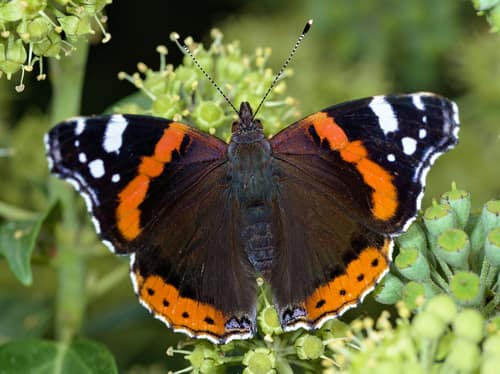
Pollinator (c) Gilles San Martin, some rights reserved (CC BY-SA), uploaded by Gilles San Martin · cc-by-sa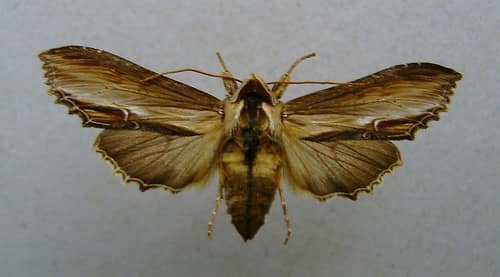
Caterpillar Host Dumi / CC BY-SA 3.0 · cc-by-sa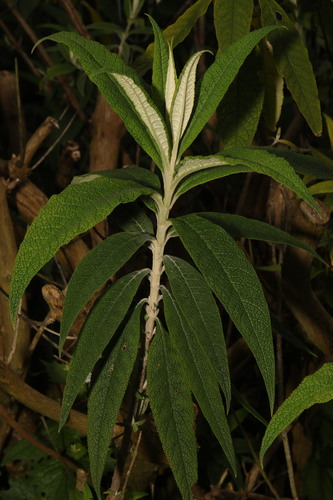
Close Relative no rights reserved, uploaded by Stephen James McWilliam · cc0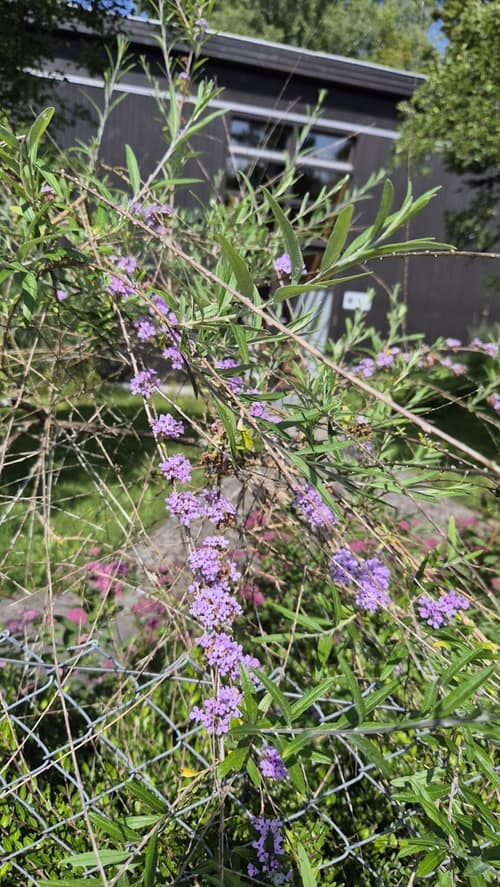
Close Relative (c) Christoph Moning, some rights reserved (CC BY) · cc-by
Help improve the field guideSomething wrong?
Checking your Fauna account…Report a name, category, or profile issue for review.