
Plant
American Cancer-root
Conopholis americanaAlso known as Bear Corn, Squawroot, Bumeh
American cancer-root derives all its nutrients directly from the root systems of oak and beech trees. Emerging above ground as dense, yellowish-brown clusters reminiscent of pinecones or cobs of corn, it spends years developing underground galls before flowering. These specialized plants provide a vital seasonal food source for black bears waking from winter hibernation.
ParasiticWildflowerWoodland
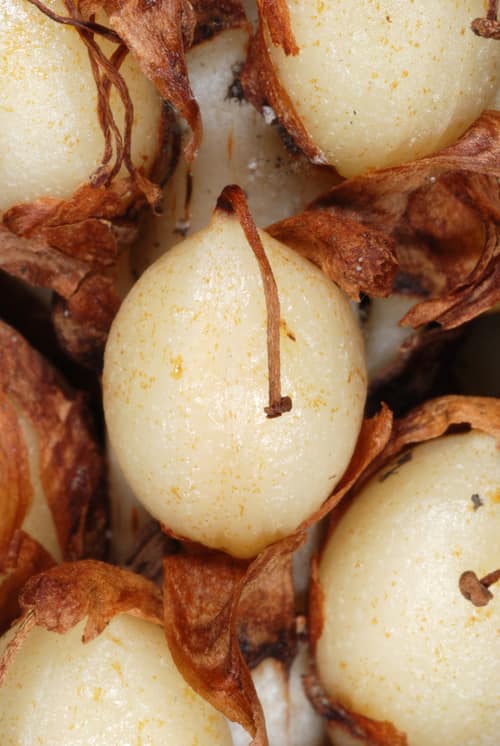
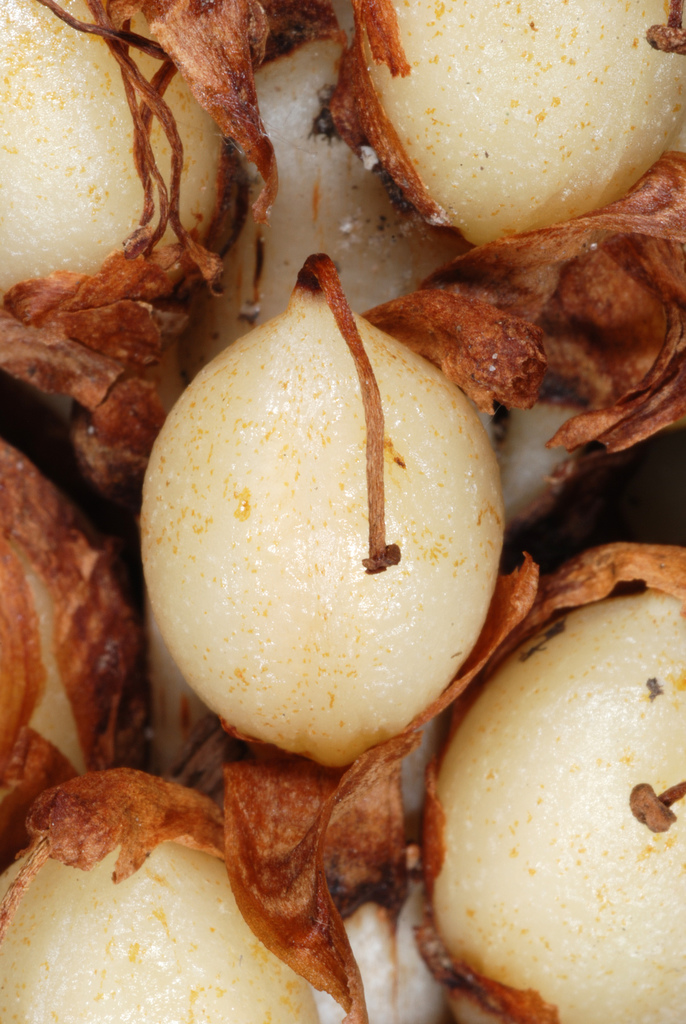
—observations
—countries
—peak records
Least ConcernConservation statusIUCN Red List categoriesLCNTVUENCREWEXLeast ConcernRed List categories, explained →
Diet & preyParasitic (root holoparasite of oaks and beeches)
Predators
- American Black Bear
- White-tailed Deer
- Small Mammals
ThreatsHabitat loss, clear-cutting of host trees, soil compaction
HabitatsDeciduous forests, oak-hickory woods, beech groves
Life spanPerennial (lives up to 10 or more years attached to host roots)
Classification
- OrderLamiales
- FamilyOrobanchaceae
- GenusConopholis
- SpeciesConopholis americana
Range data is not available yet.
Interaction riskLow
- Low
- Moderate
- High
- Very high
- Why interaction risk is low
- Safe to observe at a normal distance.
Responsible observation
- Look in Spring: Scan the forest floor around mature oak trees from mid to late spring.
- Leave in Place: Avoid digging up clusters, as underground galls are permanently fused to host tree roots.
- Observe Wildlife: Keep an eye out for feeding signs, as bears often claw up clusters early in the season.
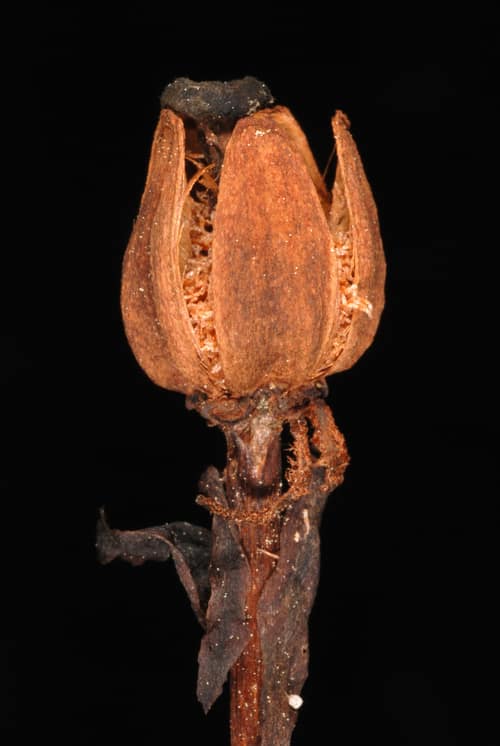
Ecological Look-Alike (c) Douglas Goldman, some rights reserved (CC BY-SA), uploaded by Douglas Goldman · cc-by-sa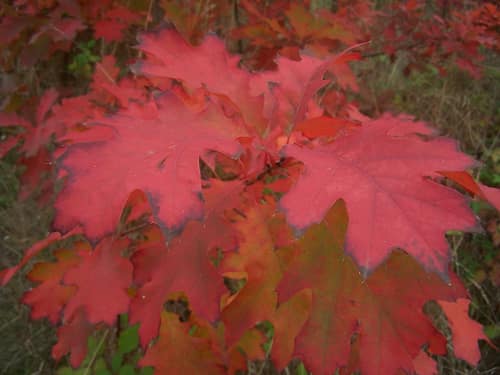
Host Tree no rights reserved · cc0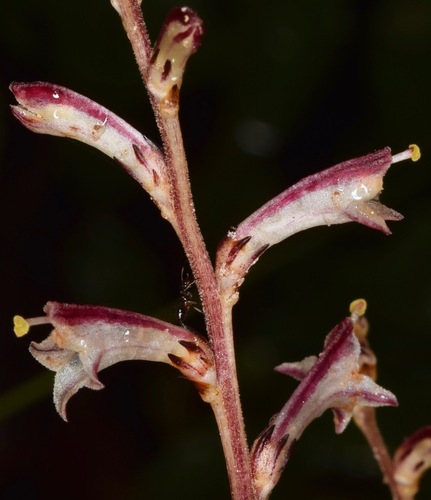
Close Relative (c) skitterbug, some rights reserved (CC BY), uploaded by skitterbug · cc-by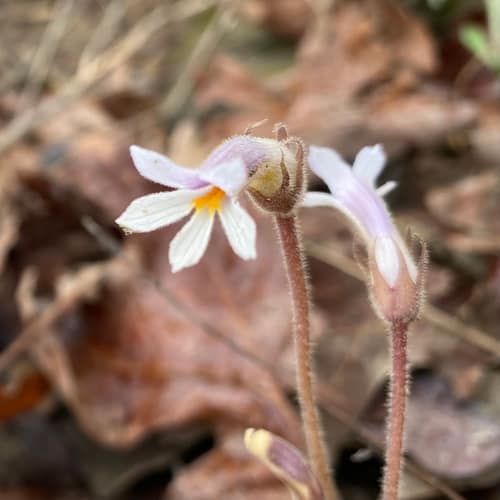
Family Member no rights reserved, uploaded by Miranda Kohout · cc0
Help improve the field guideSomething wrong?
Checking your Fauna account…Report a name, category, or profile issue for review.