
Plant
Green Ash
Fraxinus pennsylvanicaAlso known as Red Ash, Swamp Ash, Water Ash
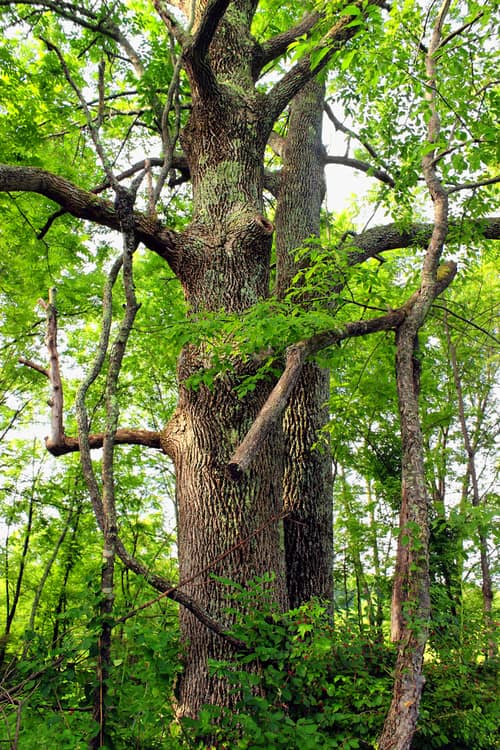
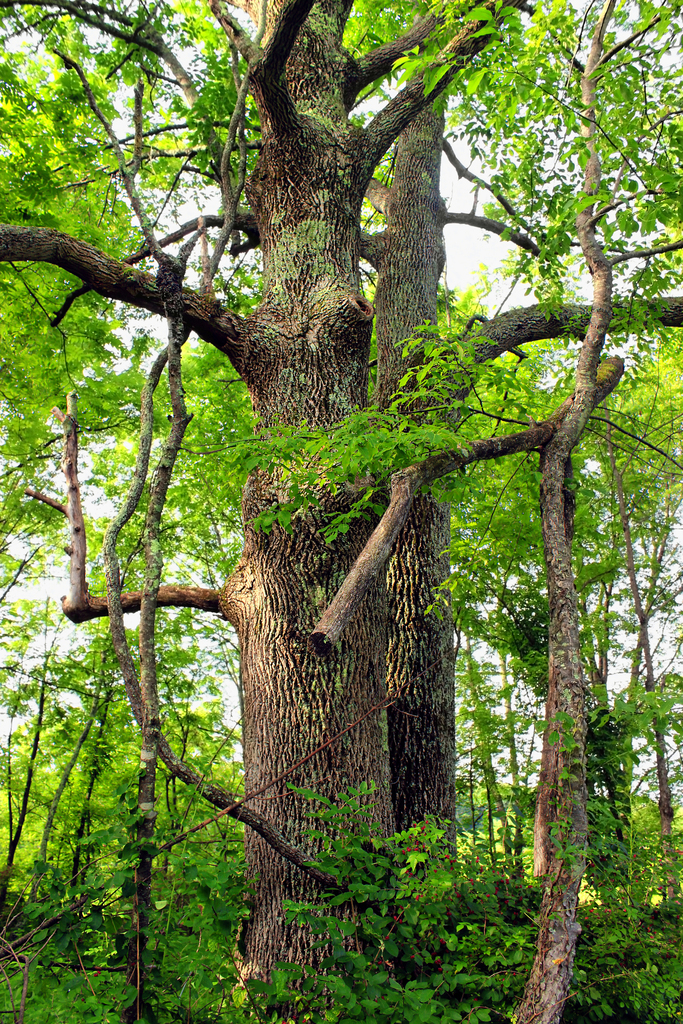
Green ash thrives in moisture-rich floodplains and riverbanks across North America, historically forming a vital anchor for riparian ecosystems. Its pinnately compound leaves display seven to nine finely serrated leaflets that turn a brilliant golden yellow each autumn. Devastating infestations of the invasive emerald ash borer have eliminated millions of mature trees, driving this former timber mainstay into critical endangerment.
HardwoodRiparianDeciduous
—observations
—countries
—peak records
Critically EndangeredConservation statusIUCN Red List categoriesLCNTVUENCREWEXCritically EndangeredRed List categories, explained →
Diet & preyPhotosynthetic
Predators
- Emerald Ash Borer
- Beaver
- White-Tailed Deer
ThreatsEmerald ash borer infestation, habitat loss
HabitatsFloodplains, riverbanks, wet forests, urban streets
Life span100–150 years
Classification
- OrderLamiales
- FamilyOleaceae
- GenusFraxinus
- SpeciesFraxinus pennsylvanica
Range data is not available yet.
Interaction riskLow
- Low
- Moderate
- High
- Very high
- Why interaction risk is low
- Safe to observe at a normal distance.
- What to notice
- Identified by opposite, pinnately compound leaves with 7 to 9 leaflets and diamond-ridged gray bark.
- Support conservation
- Never transport untreated firewood across region lines, as this spreads destructive beetle larvae to remaining stands.
Responsible observation
- Leaf pattern: Look for opposite, pinnately compound leaves with 7 to 9 stalked leaflets.
- Check for beetle damage: Search the trunk for D-shaped exit holes or serpentine larval galleries beneath bark.
- Inspect mature bark: Look for a tight, diamond-shaped network of intersecting ridges.
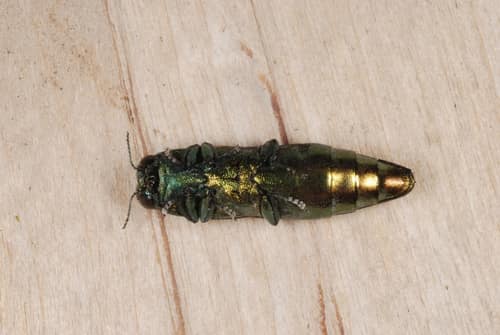
Invasive Pest (c) Douglas Goldman, some rights reserved (CC BY-SA), uploaded by Douglas Goldman · cc-by-sa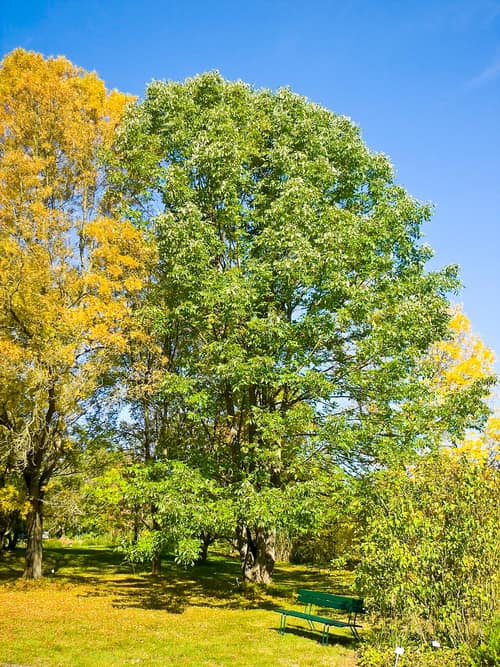
Close Relative Willow / CC BY 2.5 · cc-by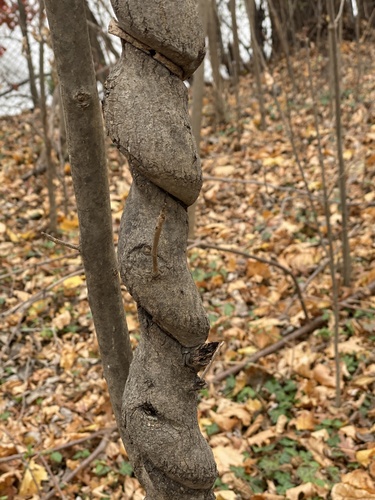
Close Relative (c) Sandy Wolkenberg, some rights reserved (CC BY) · cc-by
Help improve the field guideSomething wrong?
Checking your Fauna account…Report a name, category, or profile issue for review.