
Plant · GBIF taxon 3172334
Velvet Ash
Fraxinus velutinaAlso known as Arizona Ash, Modesto Ash, Velvetleaf Ash
Velvet ash anchors fragile riparian ecosystems across the arid American Southwest, stabilizing stream banks and providing vital canopy shade. Its compound leaves and young twigs bear a plush, velvety down that helps reduce water loss during scorching summer heatwaves. In autumn, these deciduous trees transform desert washes into brilliant corridors of bright gold foliage.
DeciduousTreeRiparian
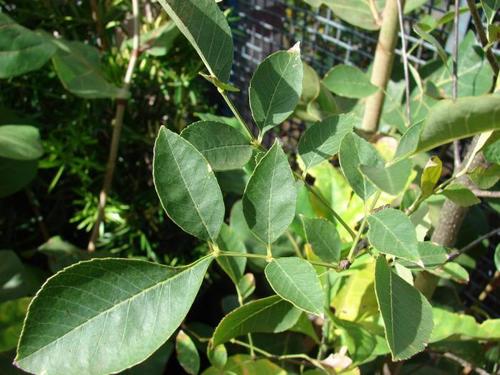
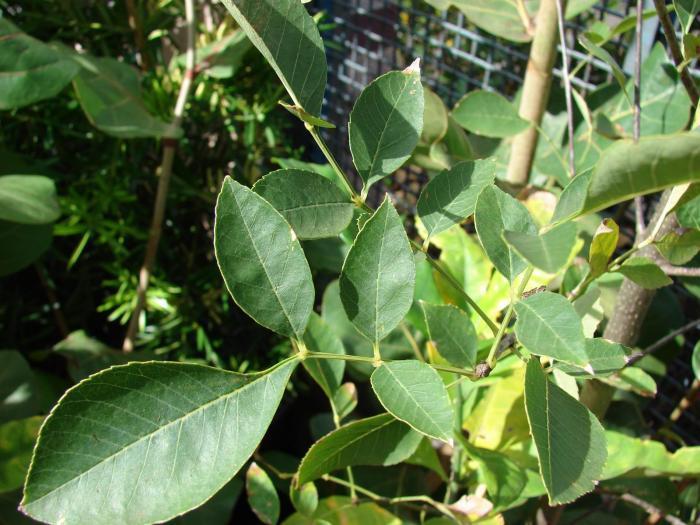
—observations
—countries
—peak records
Least ConcernConservation statusIUCN Red List categoriesLCNTVUENCREWEXLeast ConcernRed List categories, explained →
Diet & prey
- Autotrophic (Photosynthesis)
Predators
- Emerald Ash Borer
- Beavers
- Cattle
ThreatsGroundwater depletion, invasive pests, climate change
HabitatsRiparian canyons, desert washes, riverbanks, urban landscapes
Life span80–150 years
Size / weightNot available
Classification
- OrderLamiales
- FamilyOleaceae
- GenusFraxinus
- SpeciesFraxinus velutina
Range data is not available yet.
Interaction riskLow
- Low
- Moderate
- High
- Very high
- Why interaction risk is low
- Safe to observe at a normal distance.
Responsible observation
- Leaf Inspection: Look for tiny soft hairs covering the undersides of leaves and young twigs to confirm its velvet texture.
- Seasonal Timing: Visit desert canyons in autumn to watch the bright yellow foliage transform riparian corridors.
- Bark Identification: Check bark patterns on mature trunks, which feature deep diamond-shaped ridges.
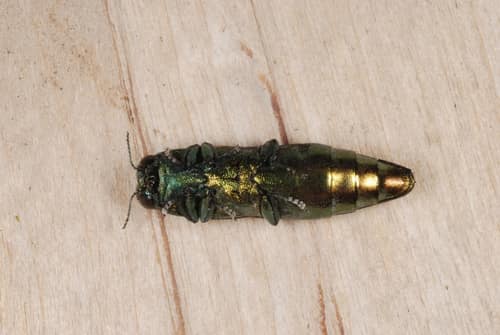
Invasive Pest (c) Douglas Goldman, some rights reserved (CC BY-SA), uploaded by Douglas Goldman · cc-by-sa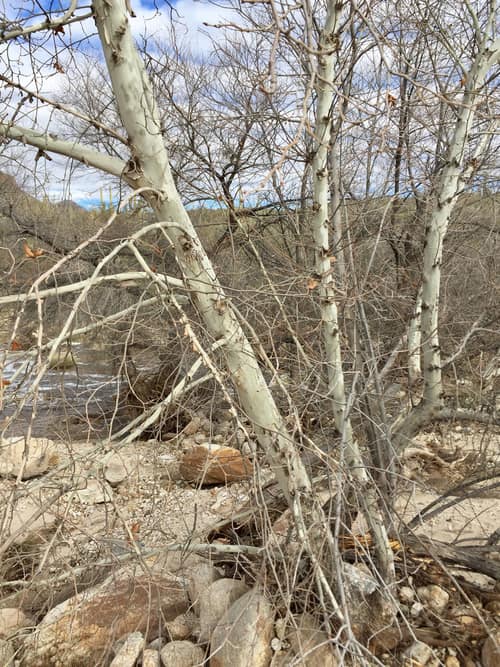
Frequent Companion (c) CK2AZ, some rights reserved (CC BY), uploaded by CK2AZ · cc-by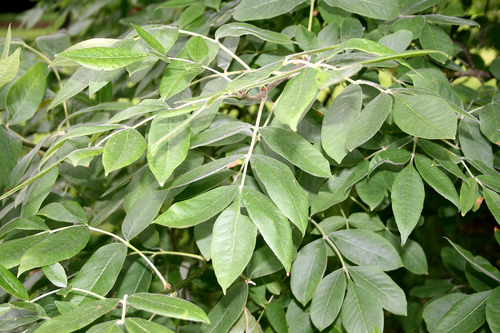
Close Relative (c) Jean-Pol GRANDMONT, some rights reserved (CC BY-SA) · cc-by-sa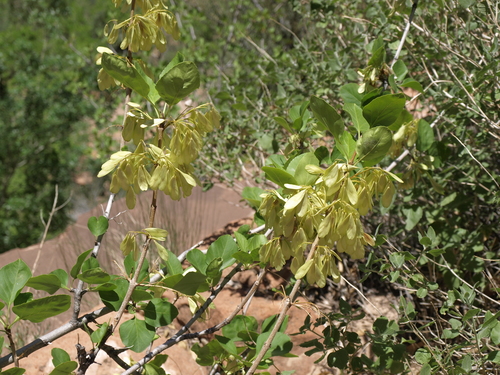
Close Relative (c) Jim Morefield, some rights reserved (CC BY) · cc-by
Help improve the field guideSomething wrong?
Checking your Fauna account…Report a name, category, or profile issue for review.