
Plant · GBIF taxon 3172327
Fraxinus americana
Fraxinus americanaAlso known as American Ash, Biltmore Ash, Cane Ash
White ash dominates eastern deciduous canopies with an expansive, rounded crown that blazes purple and bronze each autumn. Its compound leaves feature distinctly pale undersides, while its dense, shock-resistant wood historically served as the gold standard for baseball bats and tool handles. Invasive emerald ash borer infestations have devastated vast tracts of mature canopy across North America, driving widespread die-offs.
DeciduousHardwoodEndangered
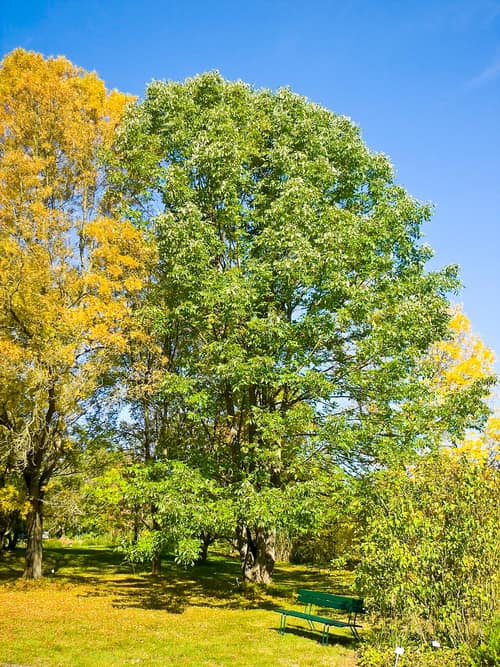
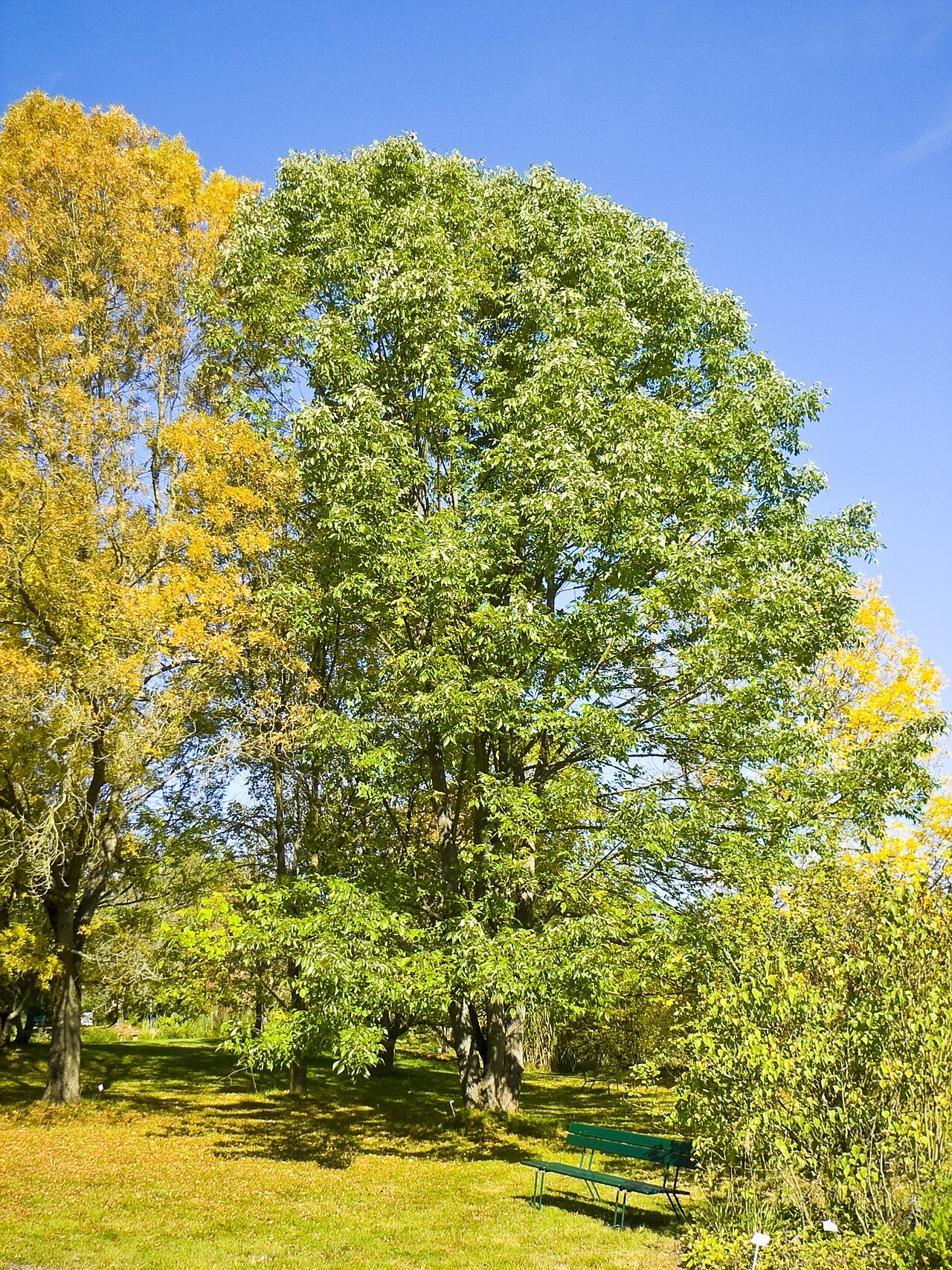
—observations
—countries
—peak records
Critically EndangeredConservation statusIUCN Red List categoriesLCNTVUENCREWEXCritically EndangeredRed List categories, explained →
Diet & prey
- Autotrophic (photosynthesis)
Predators
- Emerald Ash Borer
- Eastern Tiger Swallowtail Larva
- White-tailed Deer
ThreatsEmerald ash borer infestations and wood-boring fungal pathogens
HabitatsRich upland slopes, well-drained river bottoms, and mesic deciduous forests
Life span150–300 years
Size / weightNot available
Classification
- OrderLamiales
- FamilyOleaceae
- GenusFraxinus
- SpeciesFraxinus americana
Range data is not available yet.
Interaction riskLow
- Low
- Moderate
- High
- Very high
- Why interaction risk is low
- Safe to observe at a normal distance.
- What to notice
- Recognized by opposite compound leaves with 5 to 9 leaflets, pale undersides, and diamond-furrowed bark.
- Support conservation
- Report surviving, healthy mature trees to local forestry departments to aid resistance-breeding research.
Responsible observation
- Bark Identification: Inspect the trunk for interlacing diamond-shaped ridges and deep furrows.
- Borer Surveillance: Check outer bark for D-shaped exit holes and sudden sprouting near the base.
- Firewood Quarantine: Never move cut ash wood outside local zones to prevent spreading invasive beetles.
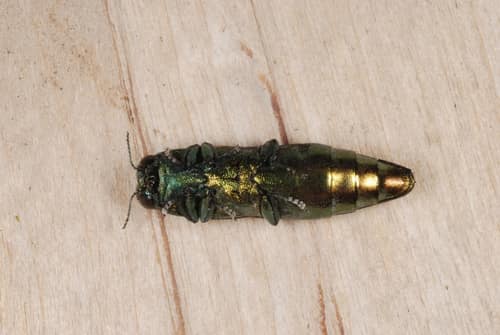
Parasite (c) Douglas Goldman, some rights reserved (CC BY-SA), uploaded by Douglas Goldman · cc-by-sa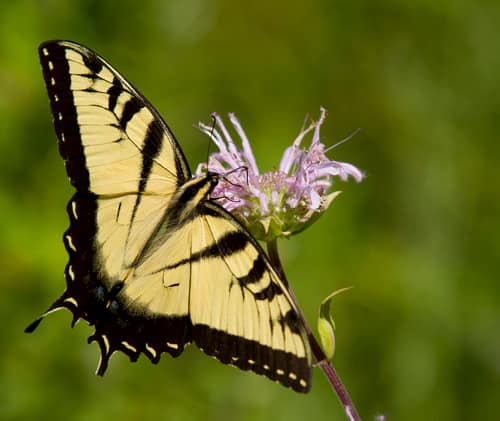
Herbivore "Eastern Tiger Swallowtail" by ShenandoahNPS is marked with Public Domain Mark 1.0. To view the terms, visit https://creativecommons.org/publicdomain/mark/1.0/. · cc0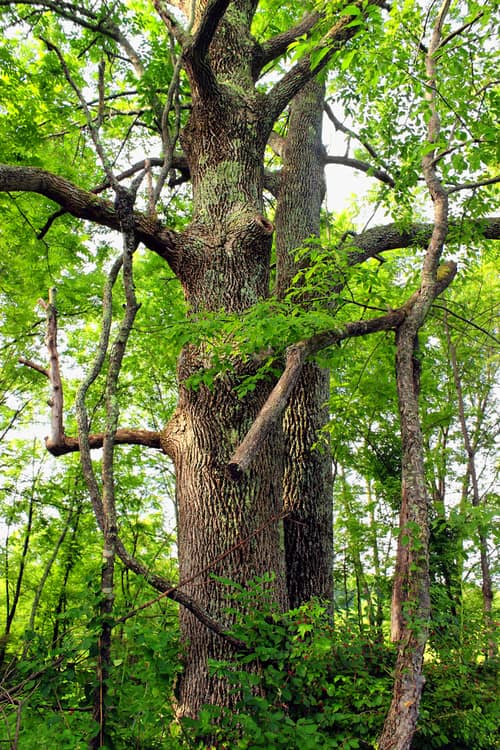
Close Relative (c) Nicholas A. Tonelli, some rights reserved (CC BY) · cc-by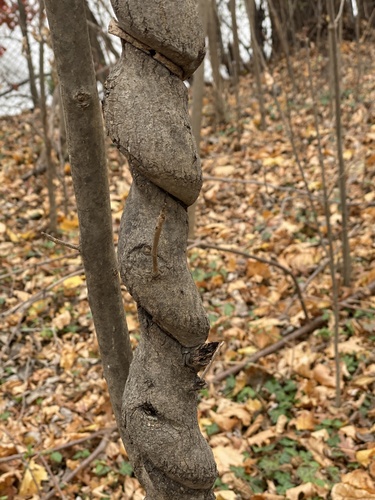
Close Relative (c) Sandy Wolkenberg, some rights reserved (CC BY) · cc-by
Help improve the field guideSomething wrong?
Checking your Fauna account…Report a name, category, or profile issue for review.