
Plant · GBIF taxon 3172301
Wax-leaf Ligustrum
Ligustrum japonicumAlso known as Wax-Leaf Privet, Japanese Privet
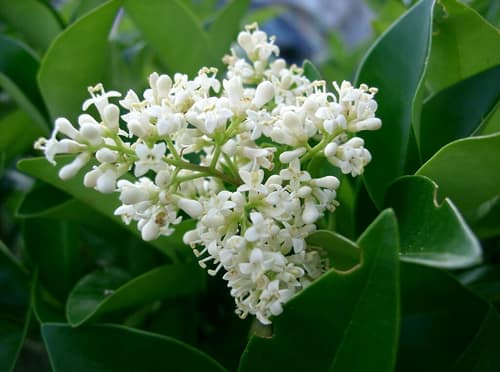
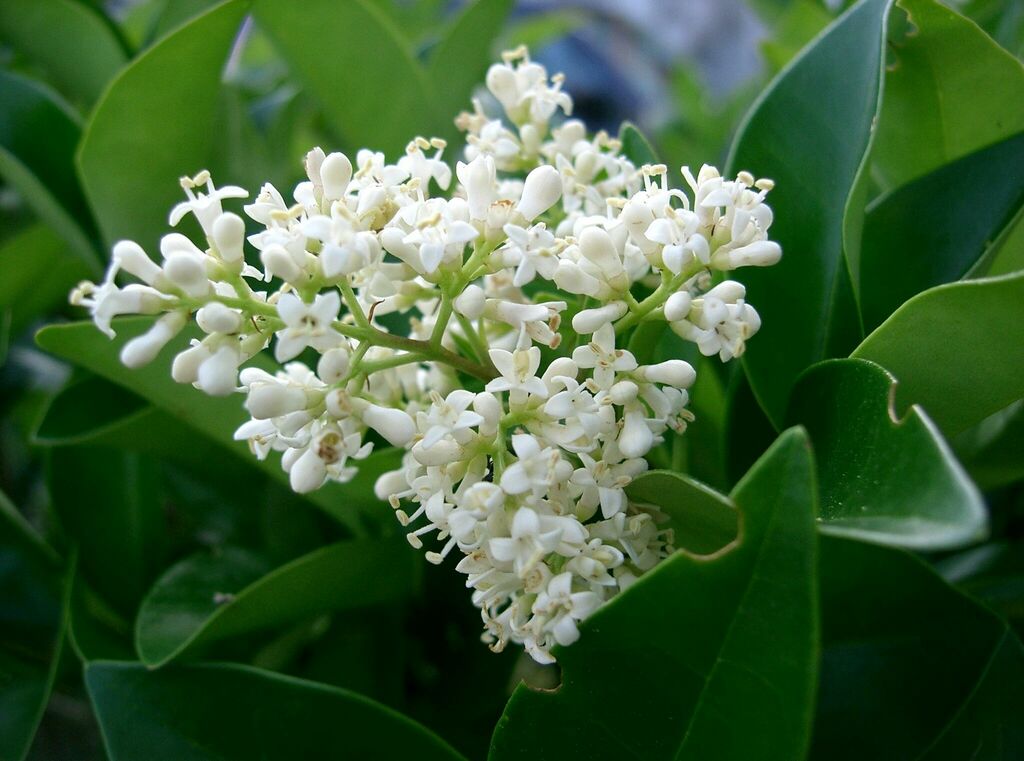
Wax-leaf ligustrum forms dense, evergreen thickets with stiff, leathery leaves that gleam under full sunlight. In early summer, the shrub produces dense clusters of creamy white flowers that draw bees and give way to dark blue-black berries in autumn. Though widely planted for privacy hedges due to its rapid growth and resilience, escapees quickly invade native woodland understories.
EvergreenInvasiveShrub
—observations
—countries
—peak records
Not EvaluatedConservation statusIUCN Red List categoriesLCNTVUENCREWEXNot Evaluated — not placed on the risk ladderRed List categories, explained →
Diet & prey
- Sunlight
- Water
- Soil Nutrients
Predators
- Songbirds
- White-Tailed Deer
- Scale Insects
ThreatsMinimal natural threats; invasive competition in non-native ranges
HabitatsUrban landscapes, forest edges, woodlands, riparian corridors
Life span30–50+ years
Classification
- OrderLamiales
- FamilyOleaceae
- GenusLigustrum
- SpeciesLigustrum japonicum
Range data is not available yet.
Interaction riskHigh
- Low
- Moderate
- High
- Very high
- Why interaction risk is high
- Foliage and berries are toxic to humans and pets if ingested, and wild berries carry look-alike risks.
- Why it is dangerous
- Contains terpenoid glycosides throughout the leaves and raw berries that cause vomiting, diarrhea, and weakness if eaten.
- How to recognize a risky encounter
- Recognize the dense evergreen canopy with opposite, glossy dark green leaves that are thick and leathery.
- What to do
- Wear gloves when pruning branch tips, and keep pets or young children from eating fallen berries.
Responsible observation
- Leaf Texture: Feel the thick, smooth, waxy cuticle on top of the leaf that reduces water loss in summer heat.
- Bloom Observation: Visit in early summer when white flower clusters bloom and attract a flurry of pollinators.
- Fruit Spotting: Look for blue-black berries persisting on branches in late autumn and winter.
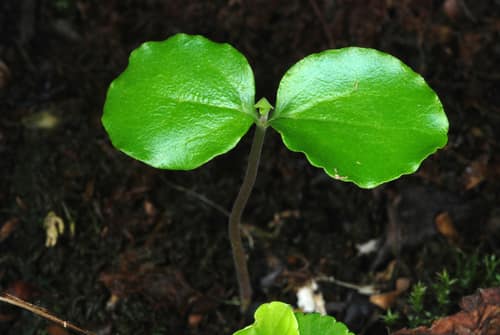
Close Relative (c) Douglas Goldman, some rights reserved (CC BY-SA), uploaded by Douglas Goldman · cc-by-sa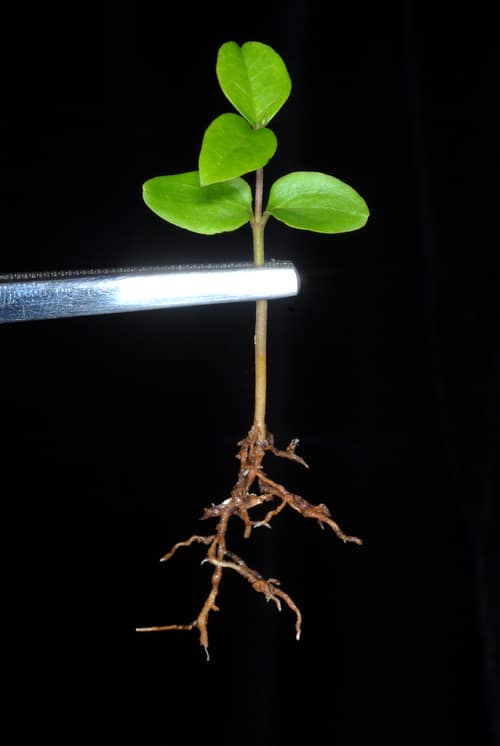
Close Relative (c) Douglas Goldman, some rights reserved (CC BY-SA), uploaded by Douglas Goldman · cc-by-sa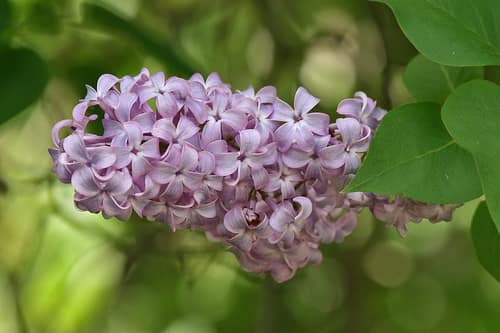
Family Member Jjron / CC BY-SA 3.0 · cc-by-sa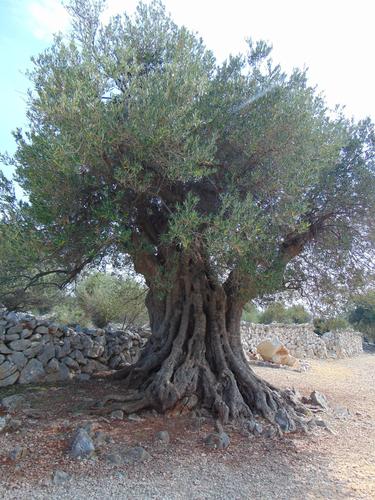
Family Member no rights reserved, uploaded by viridian · cc0
Help improve the field guideSomething wrong?
Checking your Fauna account…Report a name, category, or profile issue for review.