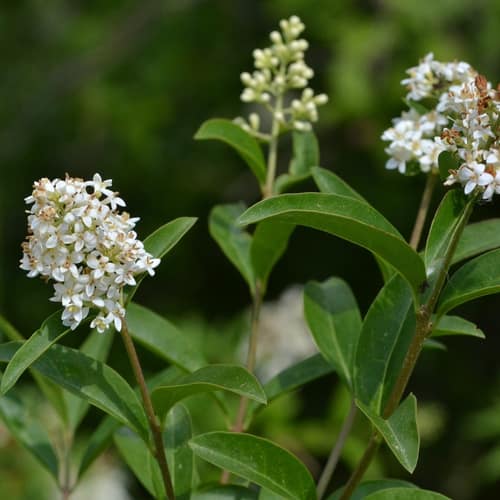
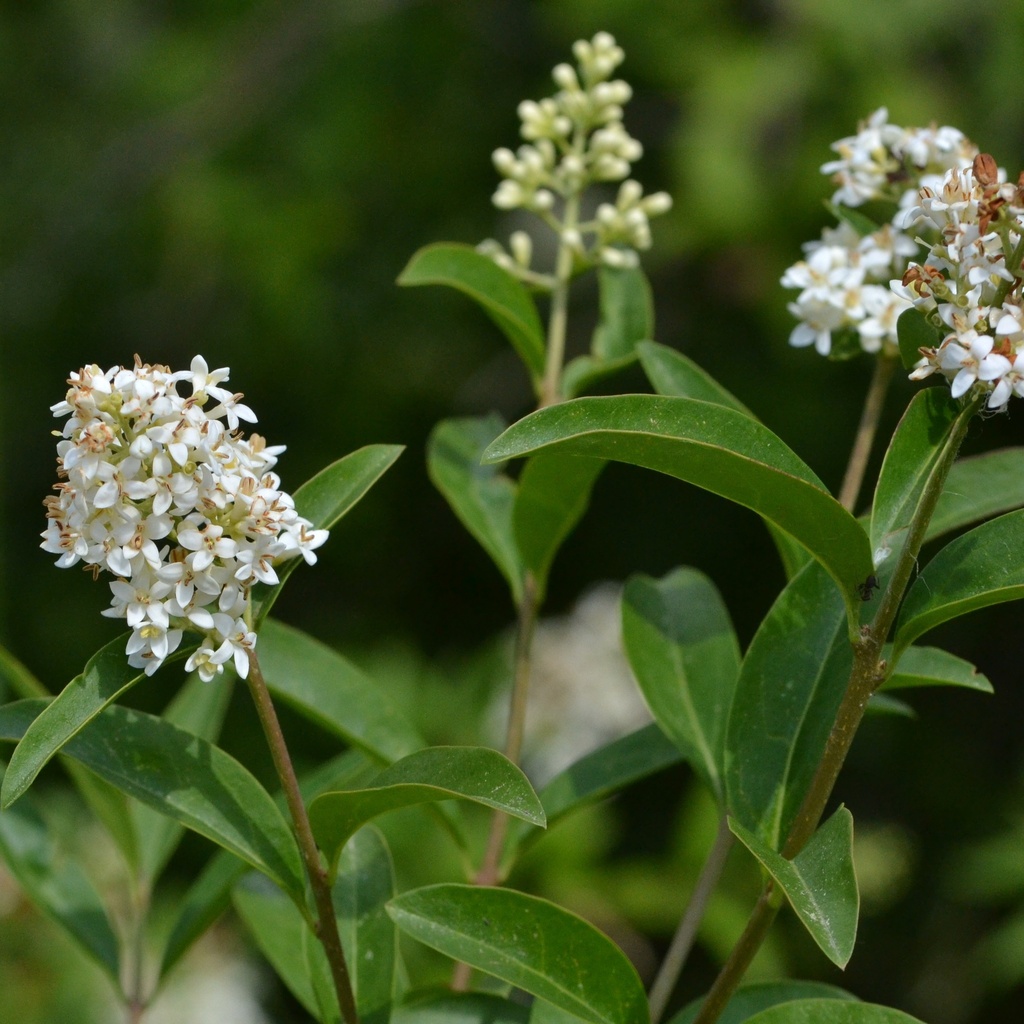
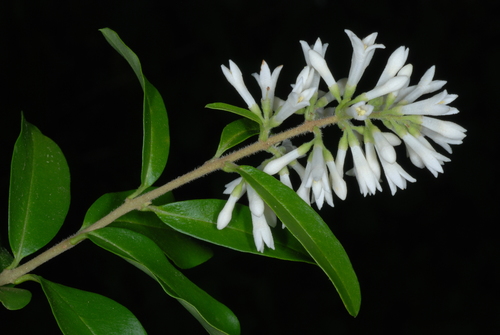
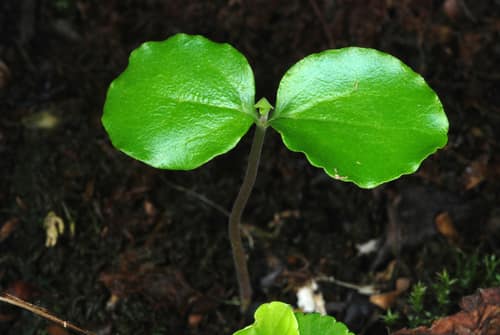
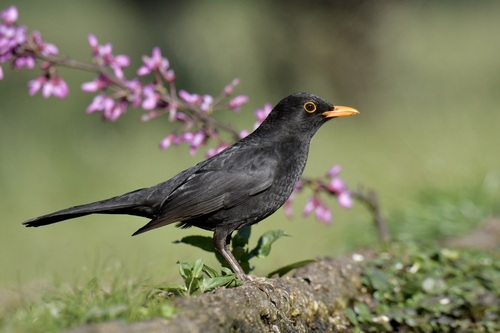
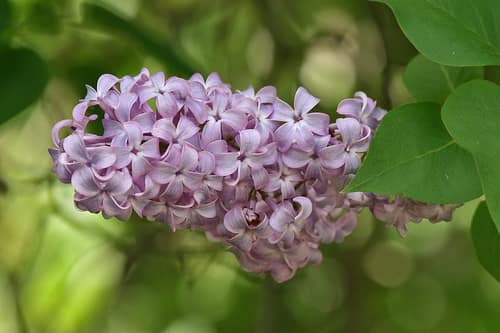
Common privet is a dense, deciduous to semi-evergreen shrub renowned for its rapid growth and resilience in hedgerows, woodland borders, and disturbed ground. In early summer, it bears terminal panicles of small, creamy-white flowers that emit a pungent, musky fragrance attractive to pollinating bees and flies. Glossy black berries persist well into winter, serving as a critical cold-weather food source for frugivorous songbirds while remaining poisonous to humans and domestic pets.
ThreatsPrivet aphid infestations, anthracnose twig blight, and clearing in regions where it is managed as an invasive exotic
HabitatsDeciduous woodlands, thickets, hedgerows, chalk grasslands, and coastal scrub
Life span20–50 years
Size / weightNot available
Classification
OrderLamiales
FamilyOleaceae
GenusLigustrum
SpeciesLigustrum vulgare
Range & activity
Range data is not available yet.
Safe observation
Interaction riskHigh
Low
Moderate
High
Very high
Why interaction risk is high
All parts, especially berries, are toxic if ingested; wild berries also have toxic look-alikes.
Why it is dangerous
Leaves and black berries contain ligustrin and syringin, toxic glycosides that cause intense nausea, severe vomiting, abdominal cramps, and diarrhea in humans and livestock.
How to recognize a risky encounter
Recognized by opposite, smooth, elliptic dark green leaves and tight clusters of glossy, spherical black berries ripening in autumn.
What to do
Wear gardening gloves when cutting or pruning foliage, and keep small children and domestic pets away from the fruiting clusters.
Responsible observation
Hedgerow Pruning: Trim back right after summer flowering to shape hedges before winter buds set.
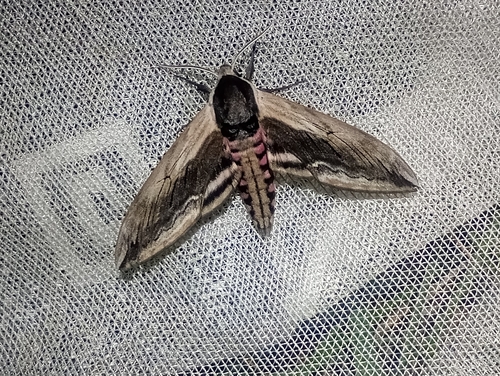
Wildlife Watching: Check dense foliage in midsummer for the striking green caterpillars of the privet hawk-moth.