
Plant
Tree Privet
Ligustrum lucidumAlso known as Broad-leaf Privet, Glossy Privet, Wax-leaf Privet
Tree privet grows as a robust evergreen tree or dense shrub characterized by thick, glossy leaves with translucent margins and prominent panicles of creamy white blossoms. Late in autumn, large clusters of deep purple-black berries ripen, attracting frugivorous birds that disperse seeds widely across disturbed habitats. Widely planted for ornamental screening and street planting, it readily escapes cultivation to form dense, light-blocking thickets that displace native understory flora.
EvergreenFloweringInvasive
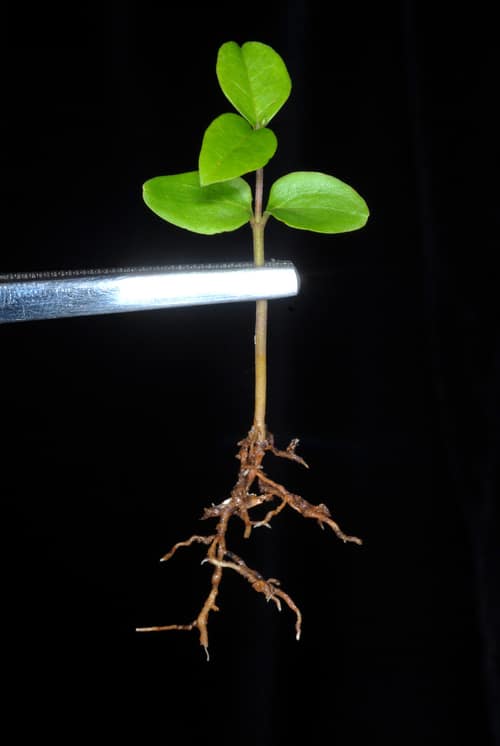
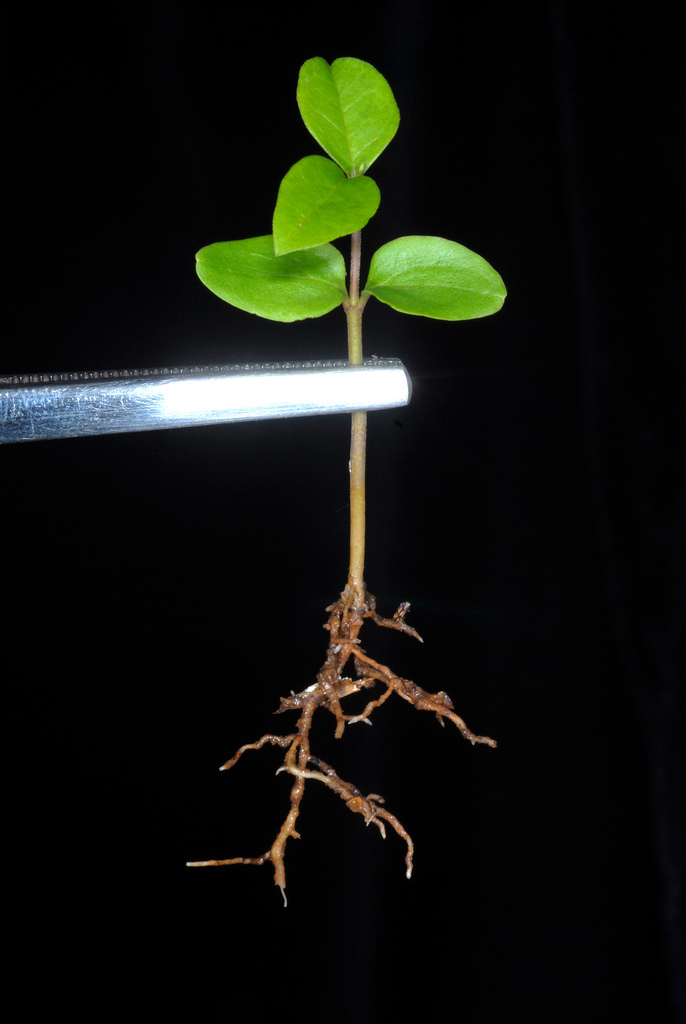
—observations
—countries
—peak records
Least ConcernConservation statusIUCN Red List categoriesLCNTVUENCREWEXLeast ConcernRed List categories, explained →
Diet & preySunlight, Water, Soil nutrients
Predators
- Privet Borer (Macrobathra chrysotoxa)
- Privet Hawk-moth (Sphinx ligustri)
ThreatsHerbicide applications, mechanical clearing, and biological control agents
HabitatsRiparian corridors, urban woodlands, forest margins, and disturbed roadsides
Life span50–100 years
Classification
- OrderLamiales
- FamilyOleaceae
- GenusLigustrum
- SpeciesLigustrum lucidum
Range data is not available yet.
Interaction riskHigh
- Low
- Moderate
- High
- Very high
- Why interaction risk is high
- Berries and foliage are toxic to humans and pets if ingested; wild berries also have toxic look-alikes.
- Why it is dangerous
- Contains toxic glycosides such as syringin and ligustroside, which cause severe vomiting, abdominal pain, diarrhea, and weakness in humans and pets.
- How to recognize a risky encounter
- Look for large, lustrous dark green opposite leaves paired with heavy clusters of small, dusty dark blue to black oval berries.
- What to do
- Wear gloves when pruning or uprooting, and ensure curious pets and small children do not ingest the fallen berries.
Responsible observation
- Leaf inspection: Hold leaves up to the light to see translucent vein patterns characteristic of the species.
- Property management: Remove seedlings early before deep taproots develop and prevent berry maturation.
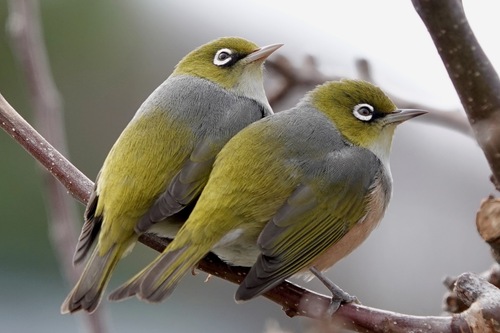
Disperser (c) BIHNZ, some rights reserved (CC BY), uploaded by BIHNZ · cc-by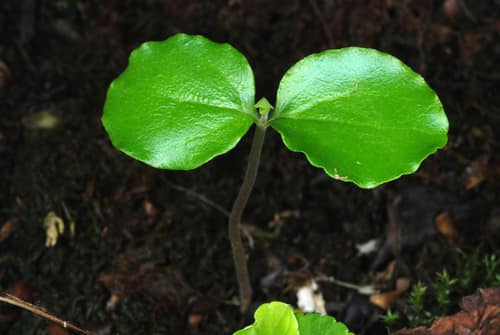
Close Relative (c) Douglas Goldman, some rights reserved (CC BY-SA), uploaded by Douglas Goldman · cc-by-sa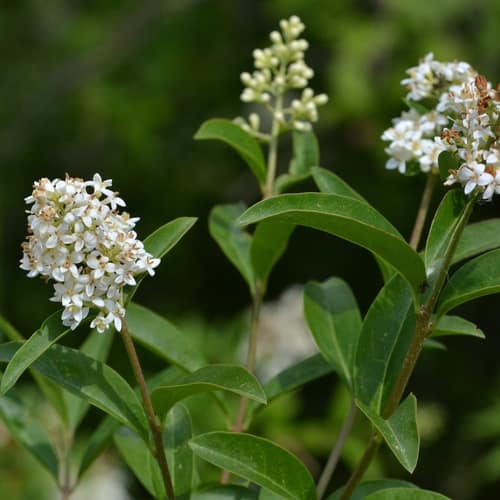
Close Relative (c) Petr Harant, some rights reserved (CC BY), uploaded by Petr Harant · cc-by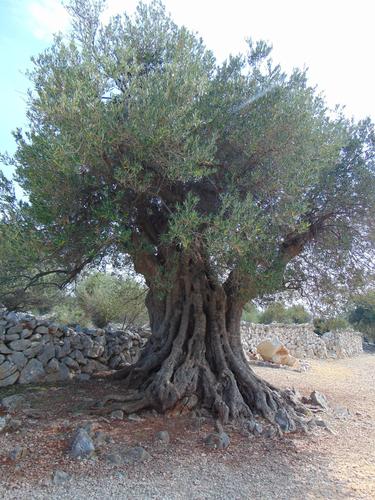
Same Family no rights reserved, uploaded by viridian · cc0
Help improve the field guideSomething wrong?
Checking your Fauna account…Report a name, category, or profile issue for review.