Also known as Blunt-leaved Privet, Obtuse-leaved Privet
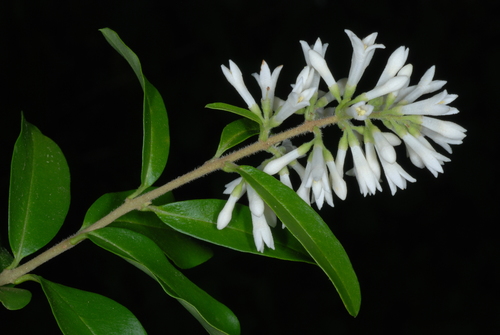
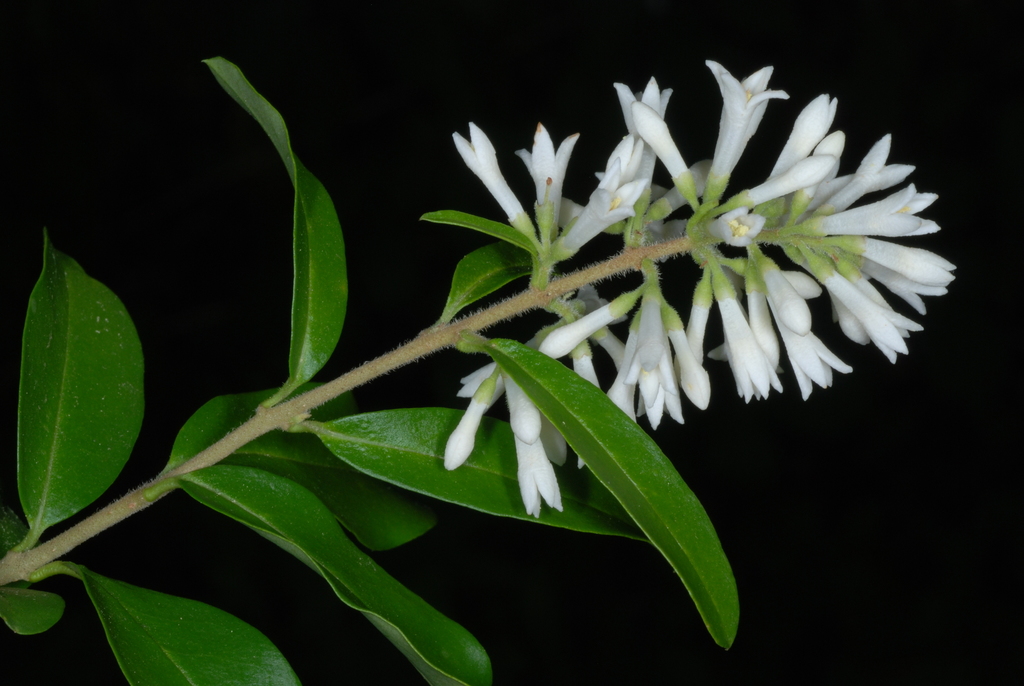
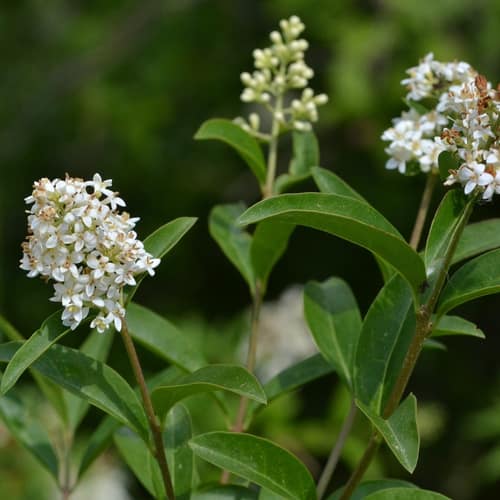
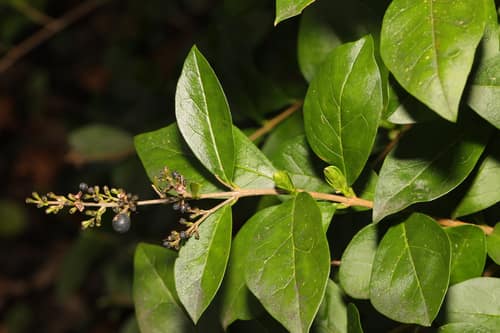
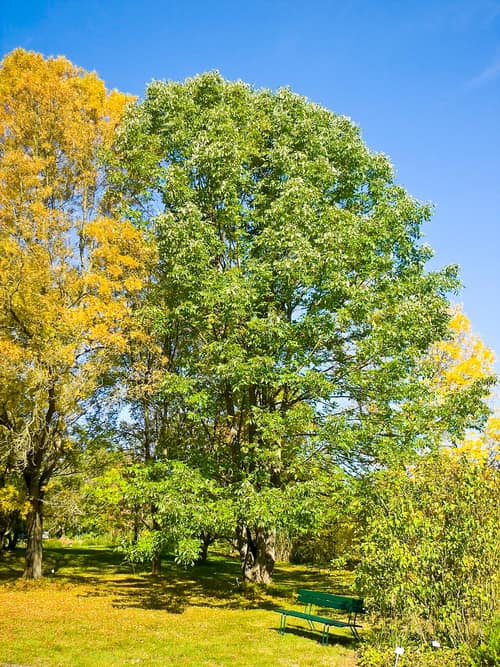
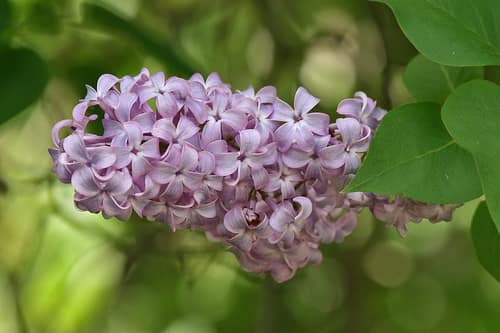
Border privet forms dense, multi-stemmed thickets with horizontal, arching branches that shade out native wildflowers and tree seedlings across eastern North America. White, tubular flowers bloom in late spring with a strong, pungent scent that attracts honeybees and native solitary bees. Dense clusters of small, blue-black berries persist well into winter, providing cold-season forage for birds that subsequently deposit seeds across open fields and forest margins.
Not EvaluatedConservation statusIUCN Red List categoriesLCNTVUENCREWEXNot Evaluated — not placed on the risk ladderRed List categories, explained →
Key facts
Diet & prey
Sunlight
Water
Soil Nutrients
Predators
White-tailed Deer
American Robin
Cedar Waxwing
ThreatsTargeted mechanical eradication and chemical herbicide control programs
HabitatsDeciduous forests, woodland borders, old fields, riparian corridors, and roadsides
Life span20–50 years
Size / weightNot available
Classification
OrderLamiales
FamilyOleaceae
GenusLigustrum
SpeciesLigustrum obtusifolium
Range & activity
Range data is not available yet.
Safe observation
Interaction riskHigh
Low
Moderate
High
Very high
Why interaction risk is high
Berries and foliage are toxic to humans and pets; wild berries have toxic look-alikes.
Why it is dangerous
All parts contain syringin and other glycosides that induce severe vomiting, stomach cramps, diarrhea, and low blood pressure when swallowed by humans or domestic animals.
How to recognize a risky encounter
Look for opposite, blunt-ended leaves on softly hairy twigs bearing dense upright clusters of small, dark blue-black drupes.
What to do
Wear gloves when clearing or trimming brush, and ensure children and pets do not consume the berries or foliage.
Responsible observation
Identification Clues: Check young twigs for fine hairs and leaves for smooth, blunt tips arranged in opposite pairs.
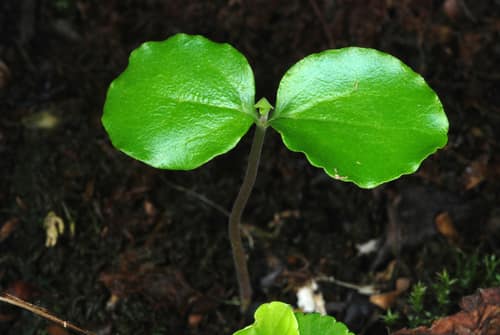
Management Practice: Uproot shallow-rooted saplings when the soil is moist to prevent dense canopy formation.
Wildlife Watching: Watch for wintering songbirds feeding on persistent black berries along brushy forest margins.