
Plant
Sweet Olive
Osmanthus fragransAlso known as Sweet Osmanthus, Tea Olive, Fragrant Olive
Renowned for an intoxicating aroma reminiscent of ripe apricots, this evergreen shrub blooms with clusters of tiny, four-petaled flowers across the canopy in autumn. Native across the moist mountain slopes of East Asia, it thrives in dappled sunlight and deep, fertile soils. Culturally revered for millennia, its sweet-scented blossoms are traditionally harvested to flavor seasonal teas, jams, and celebratory Mid-Autumn Festival wines.
EvergreenFragrantFlowering
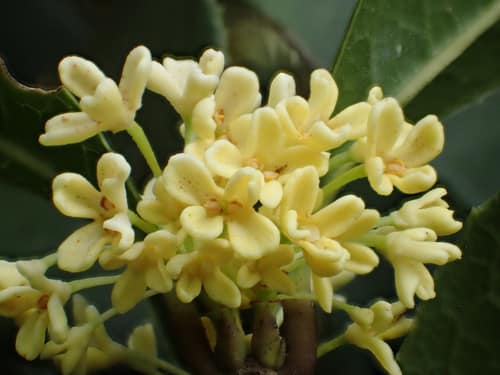
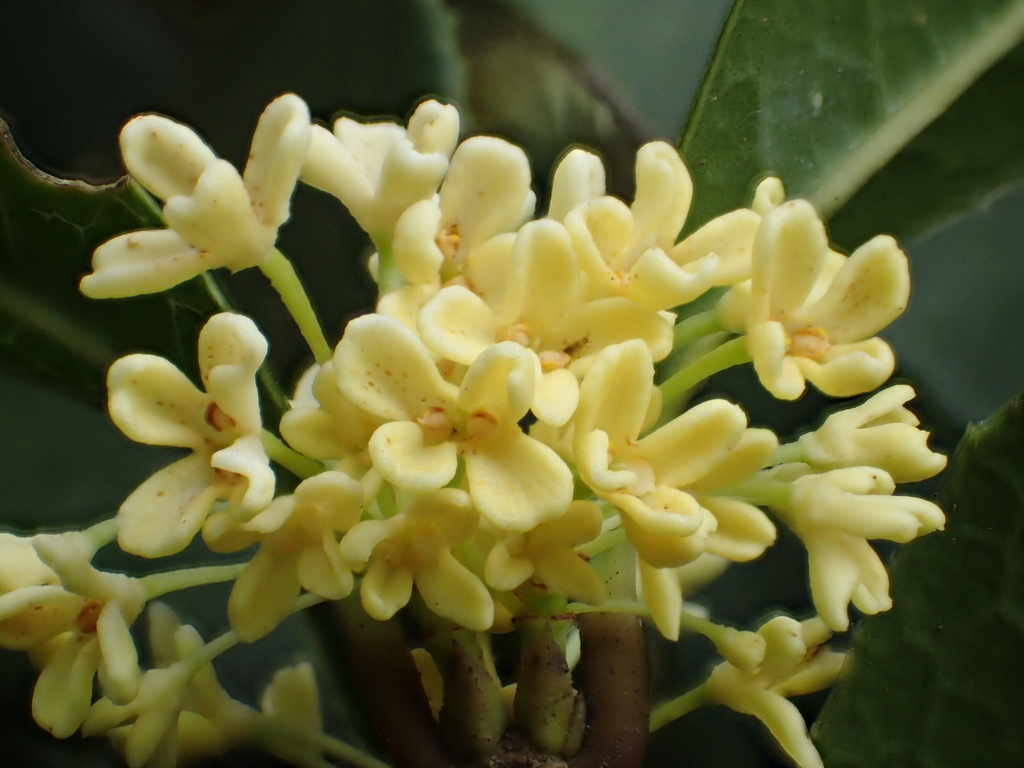
—observations
—countries
—peak records
Least ConcernConservation statusIUCN Red List categoriesLCNTVUENCREWEXLeast ConcernRed List categories, explained →
Diet & preyAutotrophic (photosynthetic)
Predators
- Scale insects
- Spider mites
- Caterpillars
ThreatsHabitat clearing, urban air pollution, extreme winter freeze
HabitatsSubtropical mountain slopes, mixed evergreen forests, valley thickets
Life span50–100+ years
Classification
- OrderLamiales
- FamilyOleaceae
- GenusOsmanthus
- SpeciesOsmanthus fragrans
Range data is not available yet.
Interaction riskLow
- Low
- Moderate
- High
- Very high
- Why interaction risk is low
- Safe to observe at a normal distance.
Responsible observation
- Scent Detection: Sniff the foliage closely in early autumn mornings when flower clusters open.
- Garden Care: Plant in rich, well-draining soil sheltered from harsh freezing winds.
- Leaf Inspection: Check glossy leaf undersides for scale insects during warm weather.
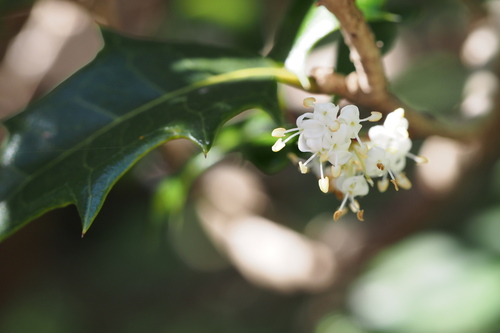
Close Relative (c) harum.koh, some rights reserved (CC BY-SA), uploaded by harum.koh · cc-by-sa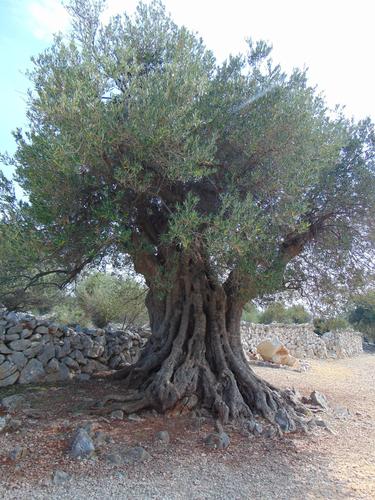
Same Family no rights reserved, uploaded by viridian · cc0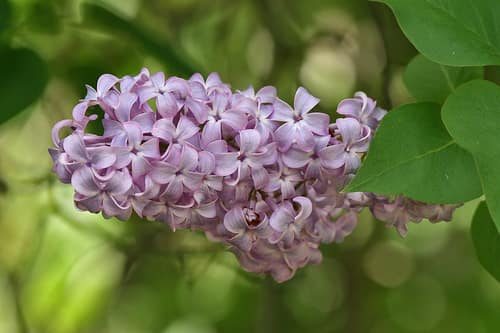
Same Family Jjron / CC BY-SA 3.0 · cc-by-sa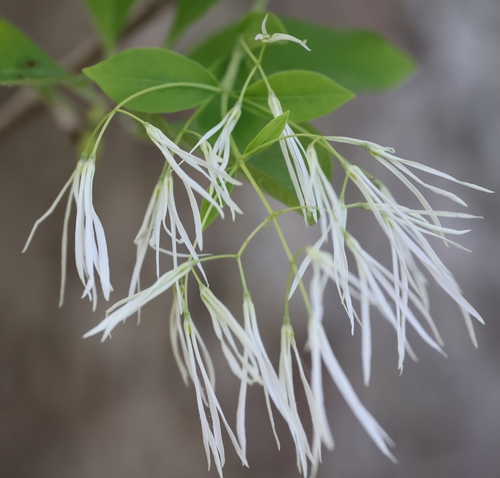
Same Family (c) Kathy Richardson, some rights reserved (CC BY) · cc-by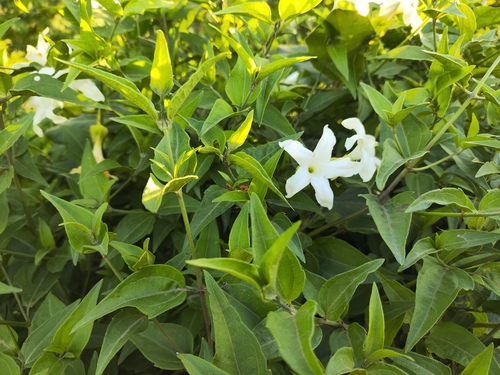
Same Family (c) Silvia Ten, some rights reserved (CC BY), uploaded by Silvia Ten · cc-by
Help improve the field guideSomething wrong?
Checking your Fauna account…Report a name, category, or profile issue for review.