
Plant
Spiked Speedwell
Veronica spicataAlso known as Spike Speedwell
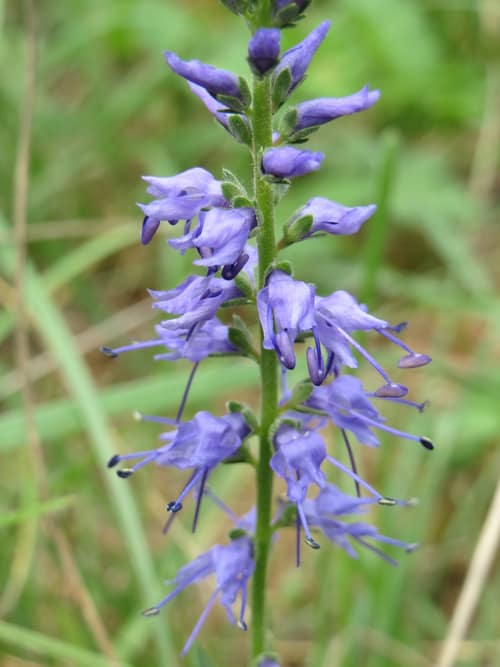
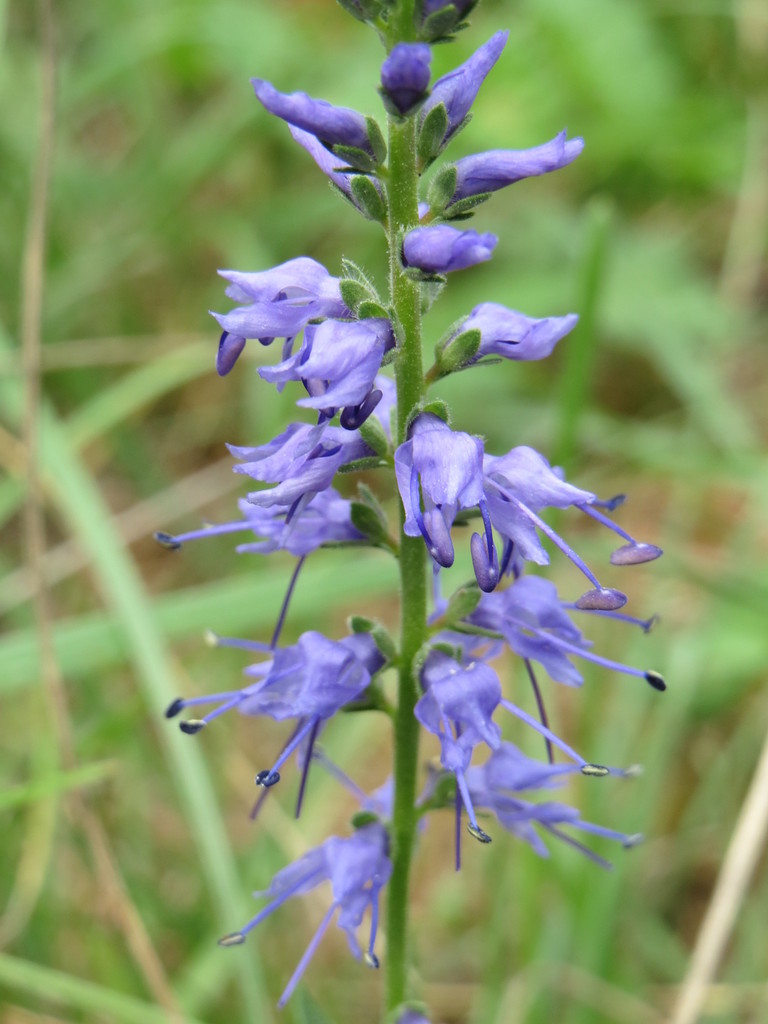
Densely packed spikes of starry violet-blue flowers rise high above low mounds of downy, narrow foliage in midsummer. Native to dry grasslands and rocky limestone slopes across Europe and Asia, this sun-loving perennial thrives in lean, well-drained soils. Its vibrant inflorescences serve as vital mid-season feeding stations for bumblebees, solitary bees, and butterflies.
FloweringPerennialPollinator Magnet
—observations
—countries
—peak records
Least ConcernConservation statusIUCN Red List categoriesLCNTVUENCREWEXLeast ConcernRed List categories, explained →
Diet & preyAutotrophic (Photosynthesis)
Predators
- Slugs
- Snails
- Rabbits
ThreatsHabitat destruction, scrub encroachment, agricultural expansion
HabitatsDry grasslands, rocky slopes, limestone pastures, meadows
Life spanPerennial (5–10 years)
Classification
- OrderLamiales
- FamilyPlantaginaceae
- GenusVeronica
- SpeciesVeronica spicata
Range data is not available yet.
Interaction riskLow
- Low
- Moderate
- High
- Very high
- Why interaction risk is low
- Safe to observe at a normal distance.
Responsible observation
- Field Identification: Watch for unbranched, candle-like flower spikes opening from bottom to top.
- Garden Care: Provide full sun and lean, sharply draining soil to prevent root rot.
- Pollinator Watching: Visit on sunny afternoons when bees and butterflies actively forage.
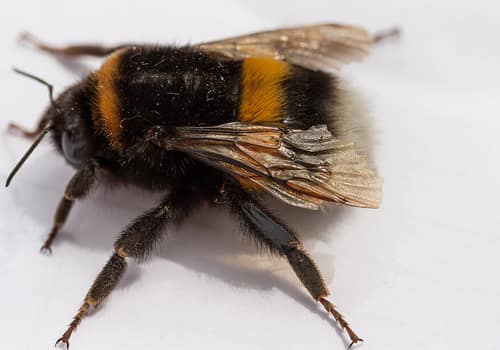
Pollinator Marco Almbauer / CC0 · cc0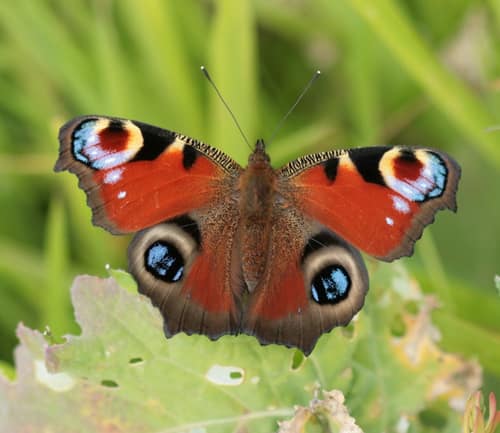
Pollinator (c) S. Rae, some rights reserved (CC BY) · cc-by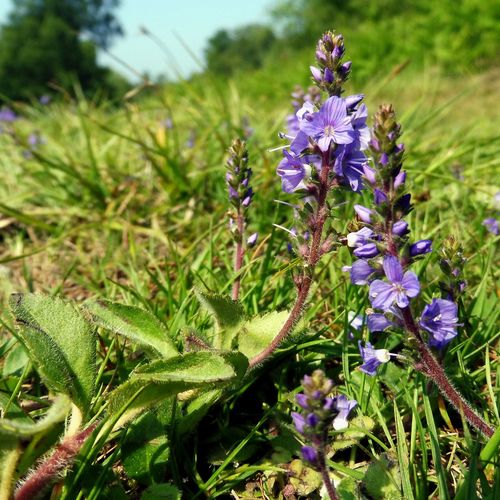
Close Relative (c) Barry Walter, some rights reserved (CC BY), uploaded by Barry Walter · cc-by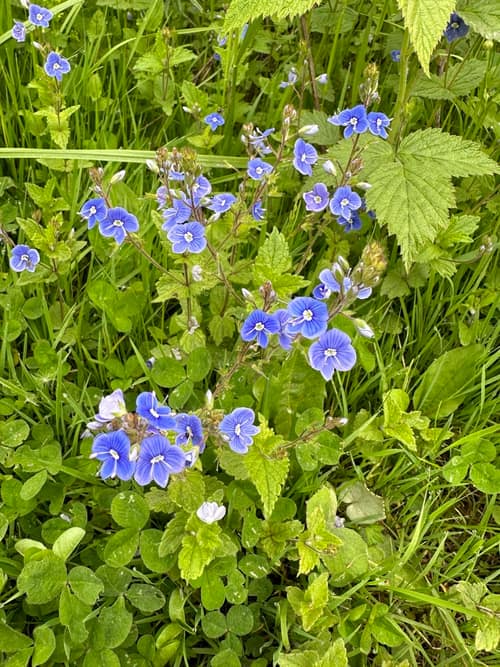
Close Relative (c) Joseph Hubbard, some rights reserved (CC BY), uploaded by Joseph Hubbard · cc-by
Help improve the field guideSomething wrong?
Checking your Fauna account…Report a name, category, or profile issue for review.