
Plant
New Zealand Hebe
Veronica speciosaAlso known as Showy Hebe, Showy Speedwell, Titirangi, Napuka
New Zealand hebe forms a rounded, evergreen shrub with thick, glossy leaves arranged in neat opposite pairs along sturdy, purplish stems. Dense, bottlebrush-like racemes of deep magenta-purple flowers burst open from late summer into winter, drawing bees, butterflies, and nectar-feeding birds such as tui. Adapted to salt-laden sea breezes in its native New Zealand, it has become a prized garden ornamental in mild coastal climates around the world.
EvergreenCoastalFlowering
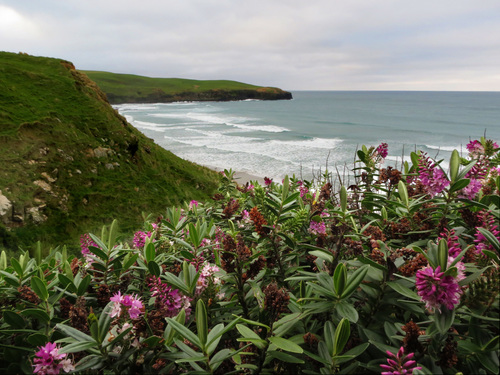
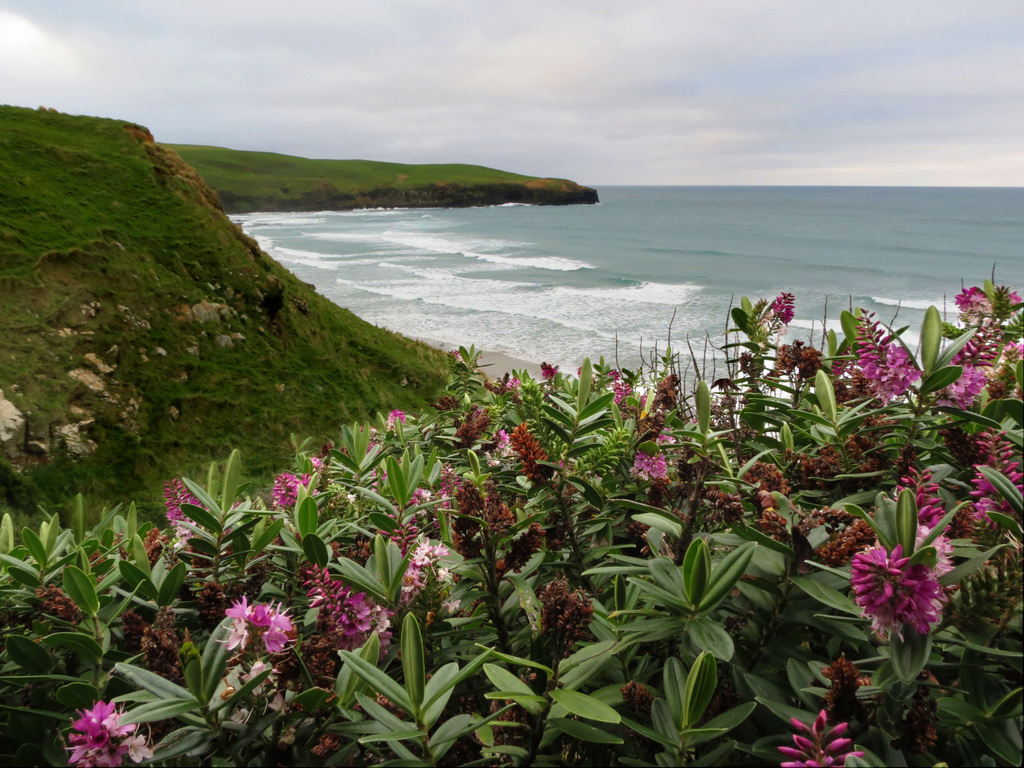
—observations
—countries
—peak records
Not EvaluatedConservation statusIUCN Red List categoriesLCNTVUENCREWEXNot Evaluated — not placed on the risk ladderRed List categories, explained →
Diet & preyPhotosynthetic autotroph (absorbs water and mineral nutrients from well-drained soil)
Predators
- Brushtail possums
- Feral goats
- Aphids
ThreatsCoastal erosion, invasive weeds, and browsing by introduced mammals in wild New Zealand populations
HabitatsCoastal cliffs, rocky headlands, scrubland, and cultivated gardens in mild maritime climates
Life span10–25 years
Classification
- OrderLamiales
- FamilyPlantaginaceae
- GenusVeronica
- SpeciesVeronica speciosa
Range data is not available yet.
Interaction riskLow
- Low
- Moderate
- High
- Very high
- Why interaction risk is low
- Safe to observe at a normal distance.
Responsible observation
- Spotting: Look for thick, dark green leaves with reddish margins arranged in crossed opposite pairs.
- Pollinators: Pause quietly near blooming spikes in late summer to watch bees and nectar-feeding birds.
- Conservation: Admire wild coastal plants in place without taking cuttings or trampling cliffside roots.
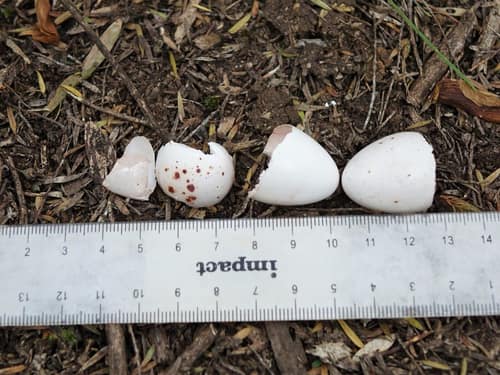
Pollinator (c) Jacqui Geux, some rights reserved (CC BY), uploaded by Jacqui Geux · cc-by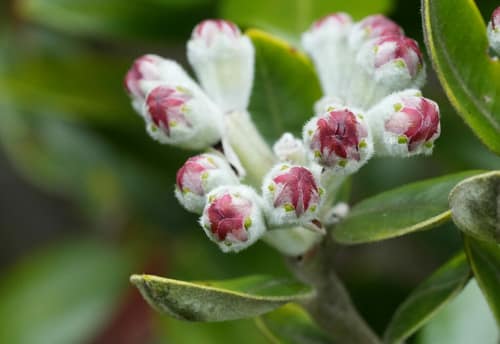
Neighbor (c) William Harland, some rights reserved (CC BY), uploaded by William Harland · cc-by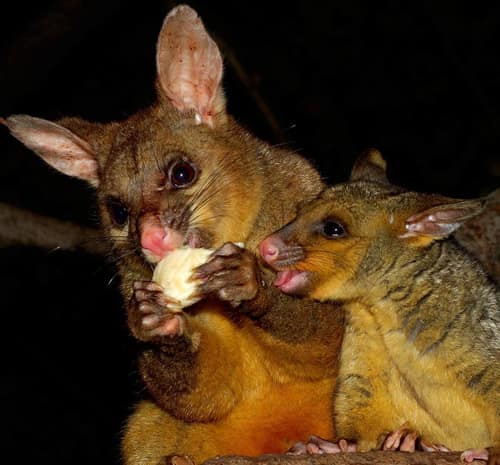
Herbivore (c) Jes, some rights reserved (CC BY-SA) · cc-by-sa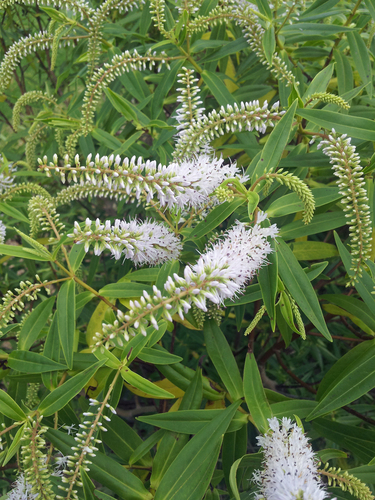
Close Relative no rights reserved, uploaded by Peter de Lange · cc0
Help improve the field guideSomething wrong?
Checking your Fauna account…Report a name, category, or profile issue for review.