
Plant
Snapdragon
Antirrhinum majusAlso known as Common Snapdragon, Garden Snapdragon, Dog's Mouth, Calf's Snout
Common snapdragons display distinctive two-lipped flowers that snap open when pinched on the sides, revealing a mechanism evolved for heavy insect pollinators. Native to the Mediterranean region, these upright plants grow along rocky cliffs and old stone walls in their wild form while thriving in garden beds worldwide. After pollination, the drying flower stalks produce seed pods that strikingly resemble tiny human skulls.
FloweringCultivatedPollinator Friendly
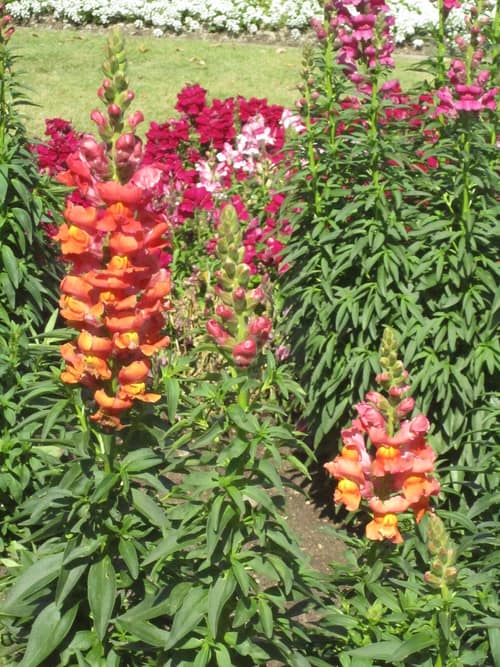
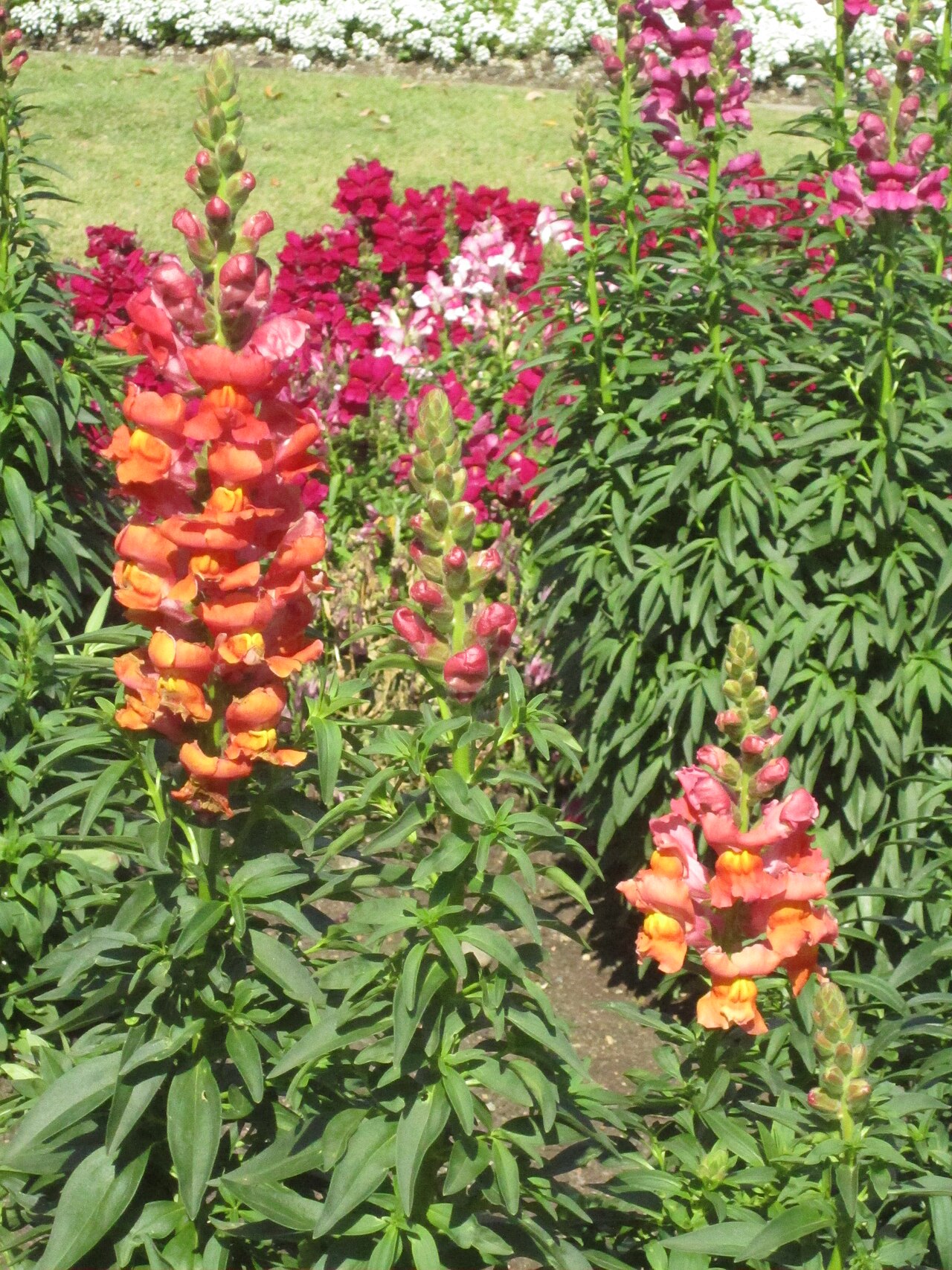
—observations
—countries
—peak records
Not EvaluatedConservation statusIUCN Red List categoriesLCNTVUENCREWEXNot Evaluated — not placed on the risk ladderRed List categories, explained →
Diet & preyAutotrophic (photosynthetic)
Predators
- Aphids
- Slugs
- Snails
ThreatsHabitat alteration in wild Mediterranean range
HabitatsRocky slopes, stone walls, garden beds, disturbed areas
Life span1–3 years (short-lived perennial, often grown as an annual)
Classification
- OrderLamiales
- FamilyPlantaginaceae
- GenusAntirrhinum
- SpeciesAntirrhinum majus
Range data is not available yet.
Interaction riskLow
- Low
- Moderate
- High
- Very high
- Why interaction risk is low
- Safe to observe at a normal distance.
Responsible observation
- Pinch Petals: Gently squeeze the sides of a blossom to watch the hinged lower lip snap open.
- Watch Bees: Observe bumblebees pry open the tight blooms to access nectar hidden inside.
- Inspect Seed Pods: Check mature stalks late in the season to see dry pods shaped like tiny skulls.
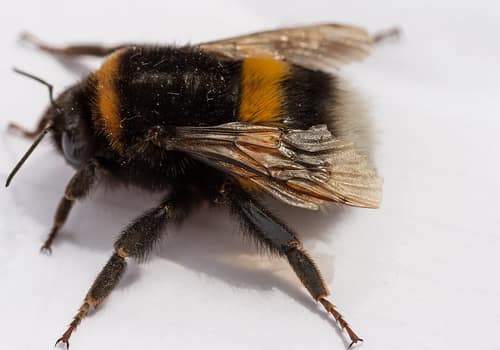
Pollinator Marco Almbauer / CC0 · cc0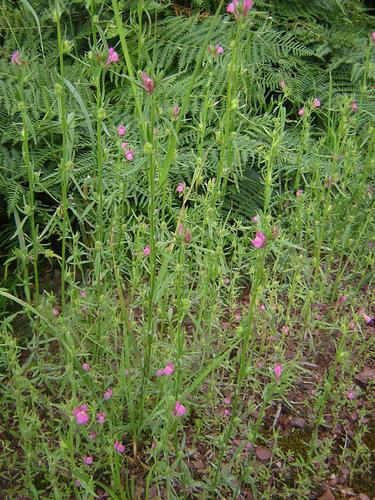
Close Relative (c) aroche, some rights reserved (CC BY), uploaded by aroche · cc-by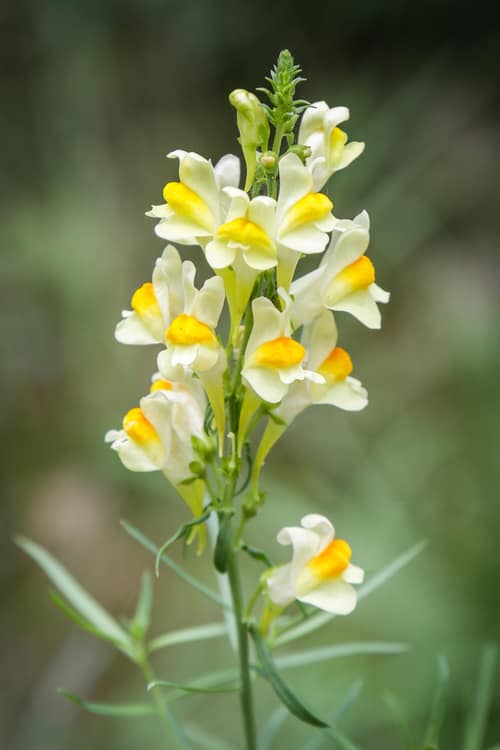
Family Relative (c) Maja Dumat, some rights reserved (CC BY) · cc-by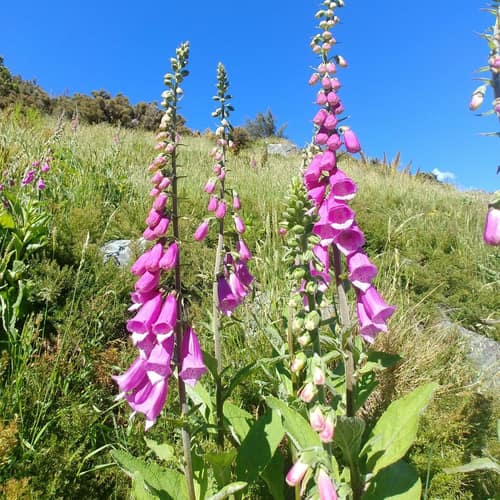
Family Relative (c) nbasargin, some rights reserved (CC BY) · cc-by
Help improve the field guideSomething wrong?
Checking your Fauna account…Report a name, category, or profile issue for review.