
Plant
Great Mullein
Verbascum thapsusAlso known as Greater Mullein, Common Mullein, Flannel Leaf, Velvet Plant
Great mullein spends its first year as a soft, velvety rosette of thick felted leaves that store nutrients close to the ground. In its second spring, the plant bolts skyward, producing a rigid central flower spike densely packed with small yellow blossoms. Each bloom opens for just a few hours in the morning, attracting dozens of wild bees and hoverflies before shedding its petals.
BiennialFuzzy LeavesYellow Bloom
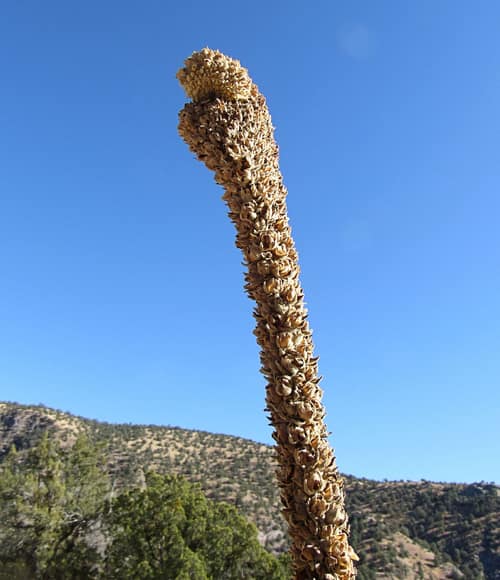
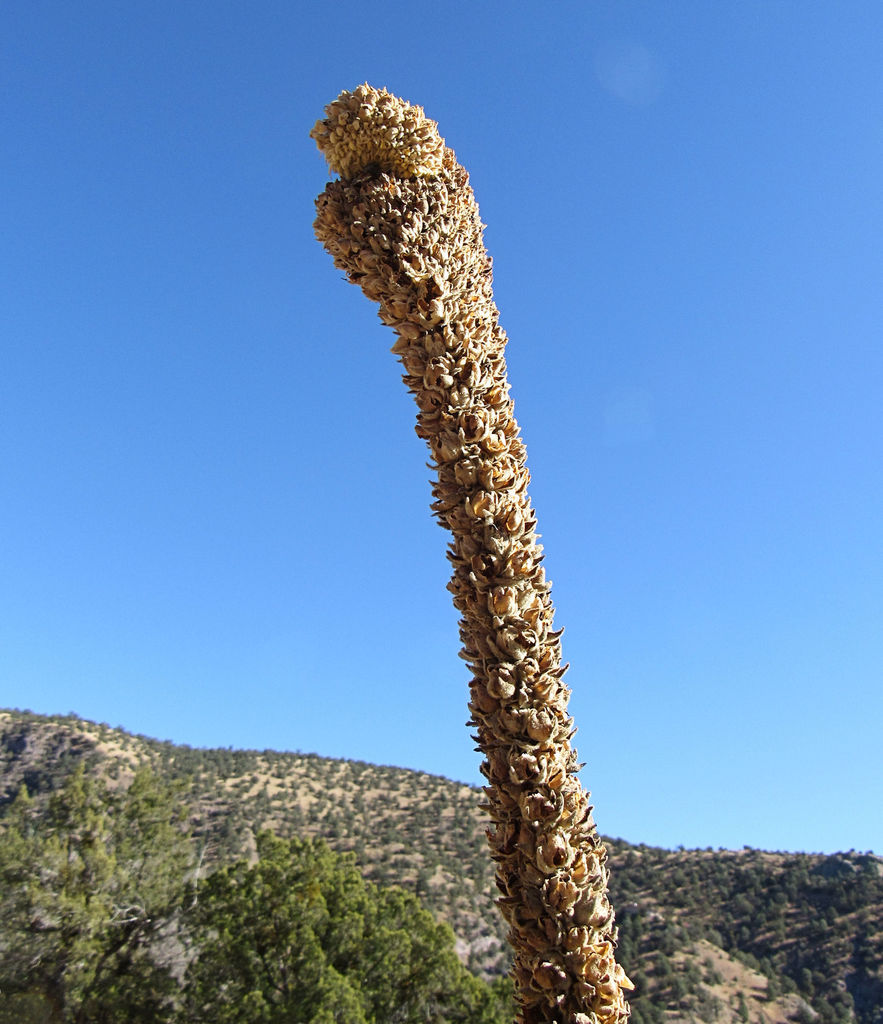
—observations
—countries
—peak records
Least ConcernConservation statusIUCN Red List categoriesLCNTVUENCREWEXLeast ConcernRed List categories, explained →
Diet & preyAutotrophic (Photosynthesis)
Predators
- Mullein Moth Caterpillars
- Herbivorous Snails
- Grasshoppers
ThreatsHerbicide application, natural ecological succession
HabitatsDisturbed ground, roadsides, dry pastures, fields
Life spanBiennial (2 years)
Classification
- OrderLamiales
- FamilyScrophulariaceae
- GenusVerbascum
- SpeciesVerbascum thapsus
Range data is not available yet.
Interaction riskLow
- Low
- Moderate
- High
- Very high
- Why interaction risk is low
- Dense leaf hairs can cause skin or eye irritation; handle with care.
Responsible observation
- Observation: Look for dense rosettes close to the soil during the plant's first year.
- Identification: Examine the yellow flower spike in midsummer to observe visiting native pollinators.
- Handling: Wear gardening gloves when removing mature stalks to prevent hair irritation.
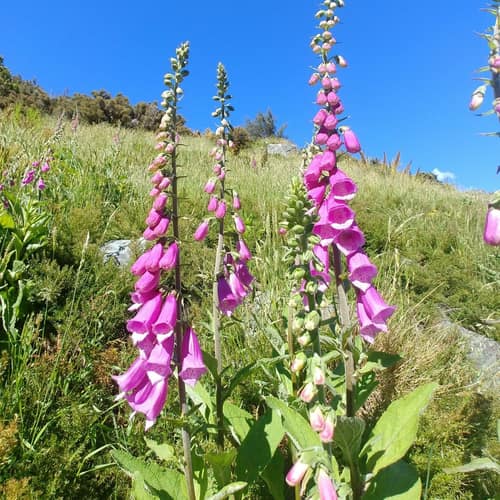
Ecological Neighbor (c) nbasargin, some rights reserved (CC BY) · cc-by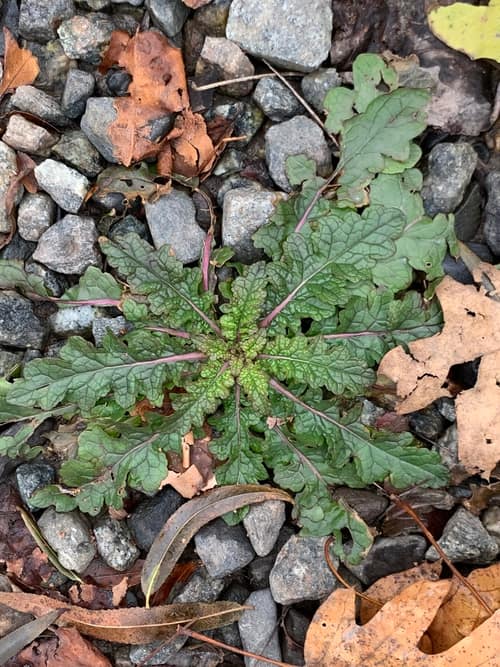
Close Relative (c) Sandy Wolkenberg, some rights reserved (CC BY), uploaded by Sandy Wolkenberg · cc-by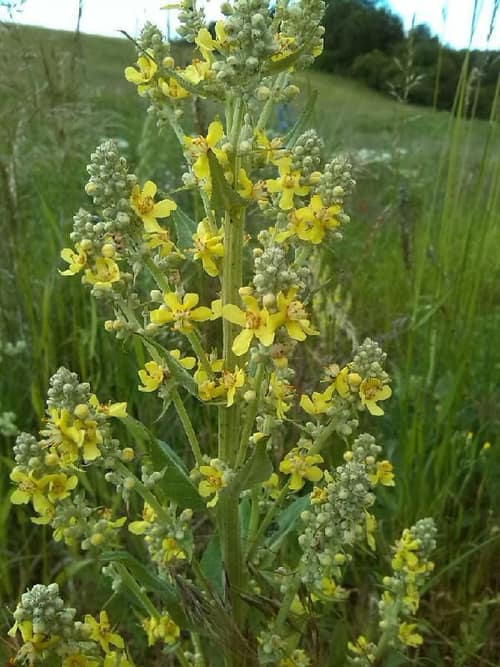
Close Relative (c) Andre Hosper, some rights reserved (CC BY), uploaded by Andre Hosper · cc-by
Help improve the field guideSomething wrong?
Checking your Fauna account…Report a name, category, or profile issue for review.