
Plant
Moth Vine
Araujia sericiferaAlso known as Bladderflower, Cruel Vine, Moth Plant, False Choko
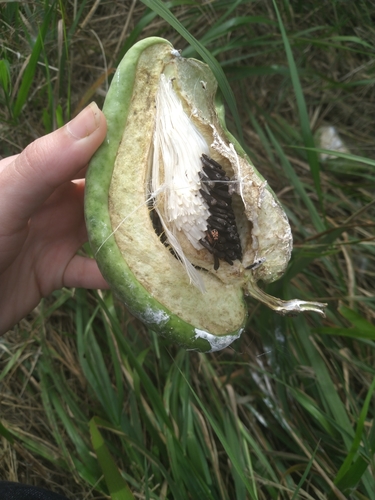
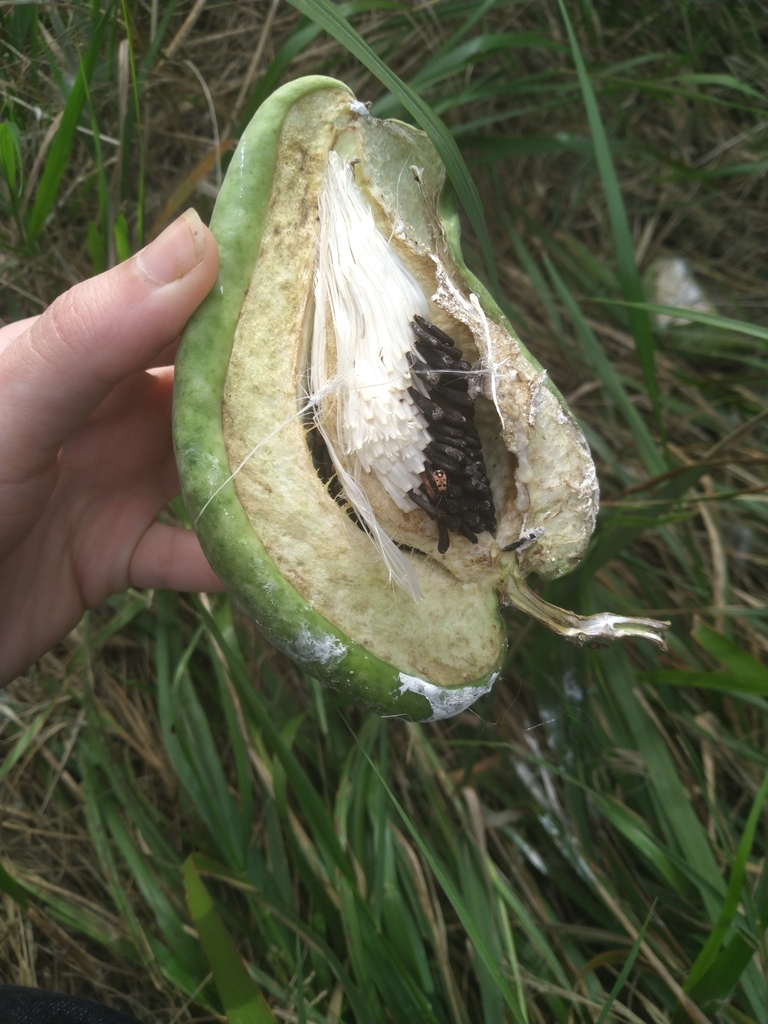
Moth vine scrambles vigorously over trees, fences, and native shrubs, smothering host vegetation with its thick foliage. Its pale pinkish-white flowers attract nocturnal moths, often trapping their probosces inside the floral mechanism until morning. Large, pear-shaped seed pods burst open when mature, releasing thousands of silk-tufted seeds that drift on the wind to colonize new ground.
ViningInvasiveToxic Sap
—observations
—countries
—peak records
Not EvaluatedConservation statusIUCN Red List categoriesLCNTVUENCREWEXNot Evaluated — not placed on the risk ladderRed List categories, explained →
Diet & preySunlight, Water, Soil nutrients
ThreatsMechanical removal, herbicides, biological control programs
HabitatsCoastal scrub, forest margins, disturbed land, gardens, urban hedges
Life spanPerennial (10+ years)
Classification
- OrderGentianales
- FamilyApocynaceae
- GenusAraujia
- SpeciesAraujia sericifera
Range data is not available yet.
Interaction riskHigh
- Low
- Moderate
- High
- Very high
- Why interaction risk is high
- Milky sap irritates skin and eyes and is toxic if ingested; green pods resemble edible choko but are poisonous.
- Why it is dangerous
- Contains toxic cardiac glycosides and a milky latex sap that causes severe contact dermatitis, eye pain, and digestive distress if swallowed.
- How to recognize a risky encounter
- Recognized by pointed opposite leaves, pale fragrant bell flowers, and heavy pear-shaped corrugated pods.
- What to do
- Never clear thickets without eye protection and gloves, and keep domestic pets away from broken stems.
Responsible observation
- Wearing Protection: Always wear thick gloves and long sleeves when cutting vines to avoid skin contact with acrid latex sap.
- Seed Management: Bag and dispose of green pods before they ripen and split to stop windborne seed dispersal.
- Vessel Control: Trace vines back to the main root system and dig out the central taproot to prevent regrowth.
 Image unavailable
Look-Alike Vine 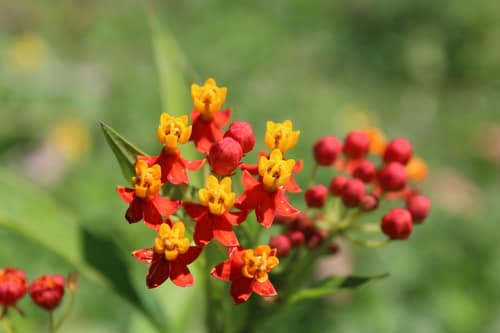
Close Relative (c) Ricard Busquets Reverte, some rights reserved (CC BY), uploaded by Ricard Busquets Reverte · cc-by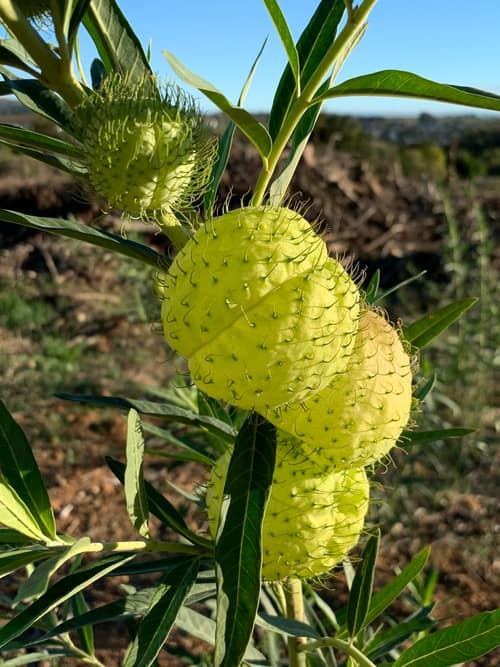
Family Member (c) Dave Richardson, some rights reserved (CC BY), uploaded by Dave Richardson · cc-byClose Relative
Help improve the field guideSomething wrong?
Checking your Fauna account…Report a name, category, or profile issue for review.