Also known as Hairy Balls, Swan Plant, Balloon Cotton Bush, Bishop's Balls
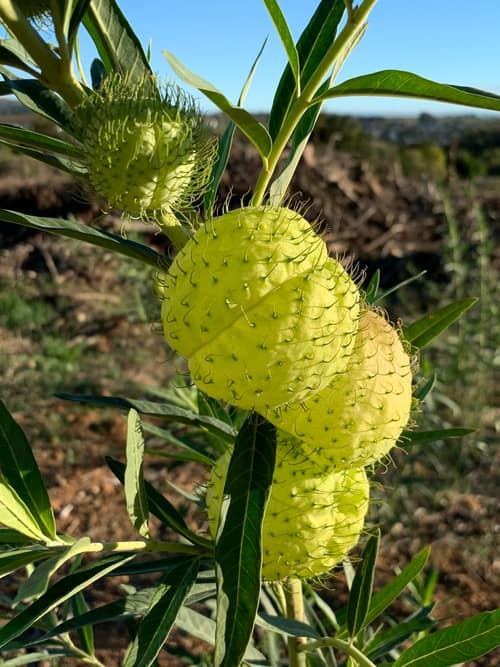
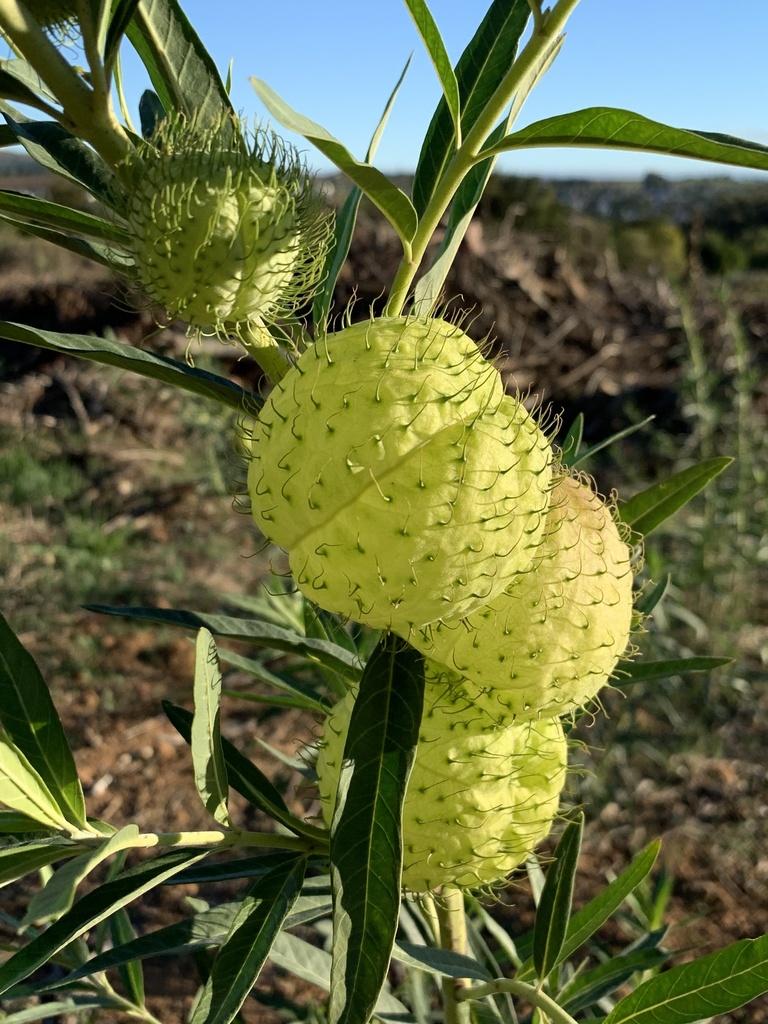
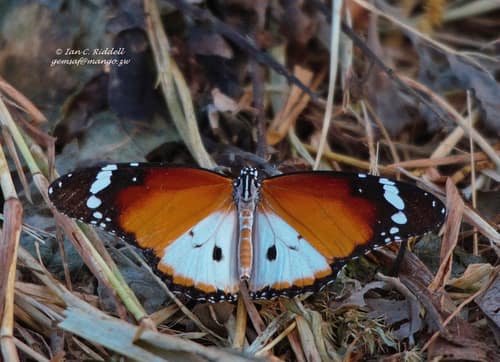
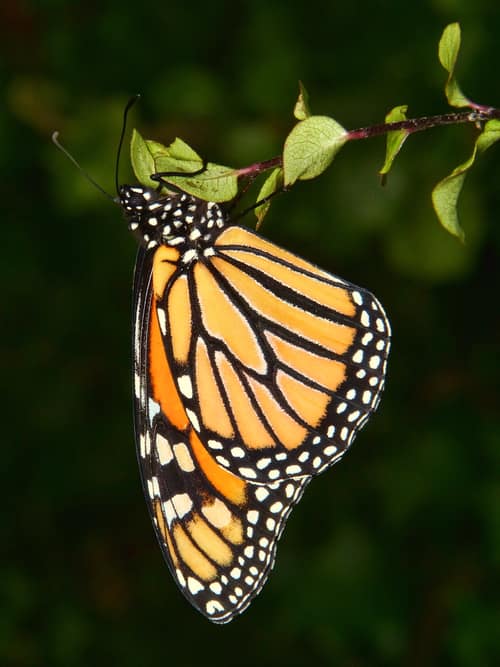
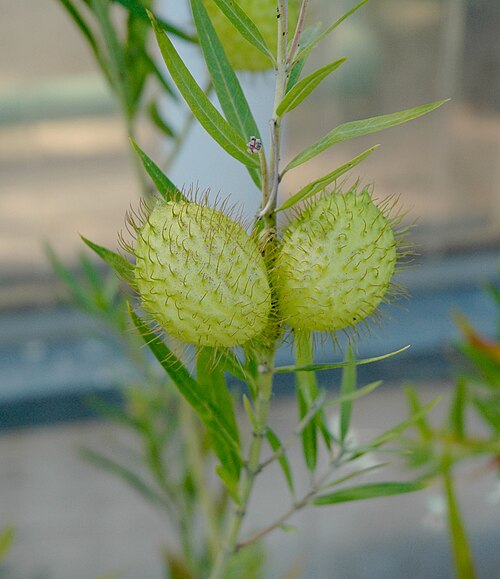
Balloonplant is an upright, fast-growing shrubby herb famous for its inflated, spherical seed pods covered in soft, bristle-like hairs. Native to southeastern Africa, it produces drooping clusters of small, star-shaped white flowers with purple-tinged centers that secrete copious nectar. It serves as an important host plant for monarch and African queen butterflies, whose caterpillars sequester the plant's bitter cardenolides for their own chemical defense.
ThreatsWeed control measures, habitat clearing, and excessive herbivory
HabitatsDisturbed grasslands, roadsides, riparian margins, and gardens
Life span3–5 years (short-lived perennial or annual in colder climates)
Size / weightNot available
Classification
OrderGentianales
FamilyApocynaceae
GenusGomphocarpus
SpeciesGomphocarpus physocarpus
Range & activity
Range data is not available yet.
Safe observation
Interaction riskHigh
Low
Moderate
High
Very high
Why interaction risk is high
Produces toxic milky latex with cardiac glycosides: avoid contact with eyes and never ingest.
Why it is dangerous
Contains toxic cardenolides and irritating milky latex that can cause severe vomiting, cardiac arrhythmias, and painful corneal damage upon eye contact.
How to recognize a risky encounter
Look for distinct chartreuse, air-inflated spherical fruit pods covered in soft bristles, weeping white sap when broken.
What to do
Wear protective gloves and eye protection when cutting, and wash thoroughly with soap if contact occurs.
Responsible observation
Butterfly Gardens: Plant as an alternative caterpillar food source, but monitor for aggressive self-seeding.
Handling Precautions: Wear gloves when pruning or collecting seed pods to protect skin and eyes from milky sap.
Dried Floral Displays: Harvest firm, mature green pods for long-lasting decorative arrangements.