Also known as Mexican Whorled Milkweed, Western Narrowleaf Milkweed
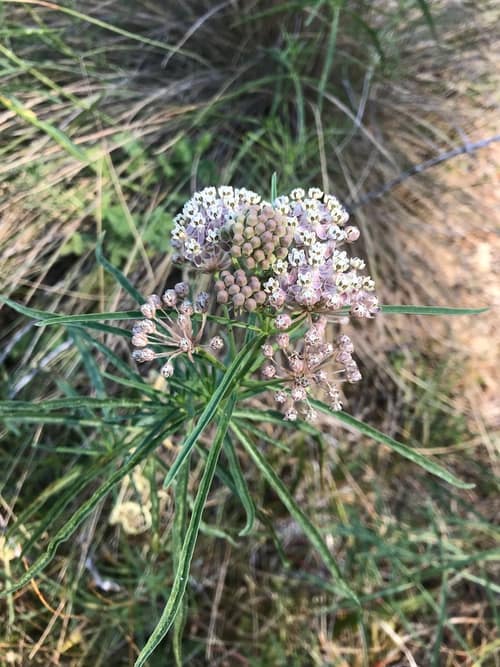
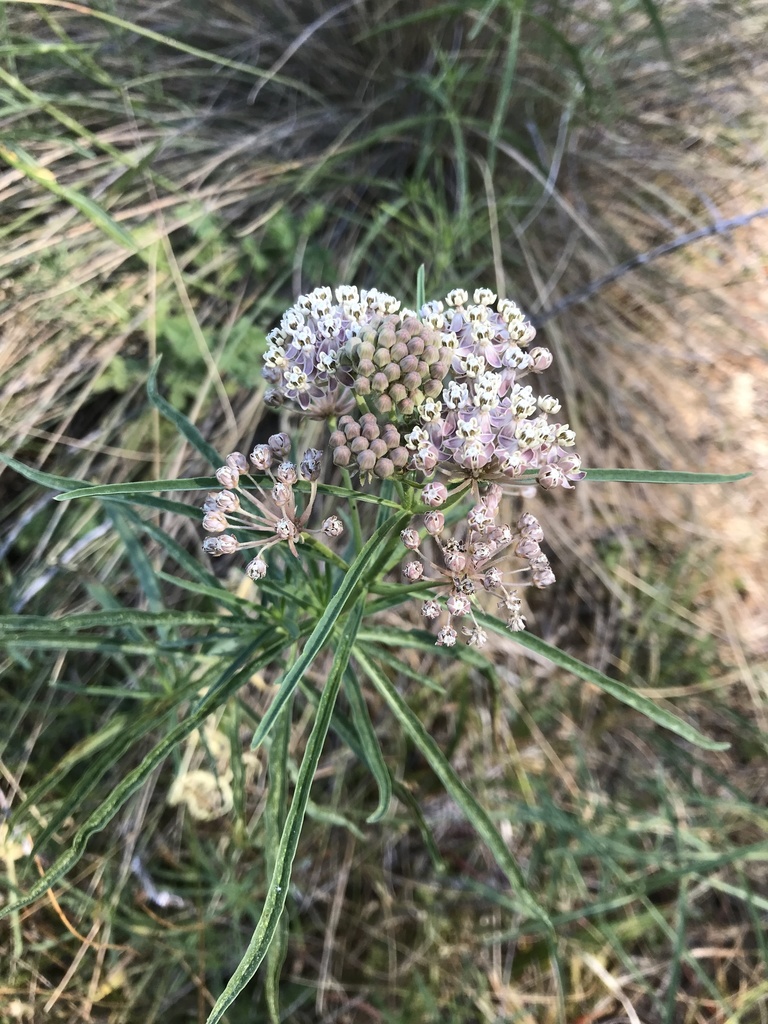
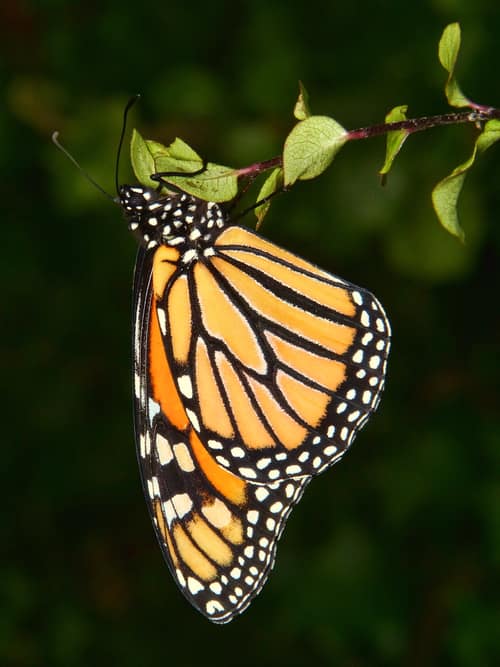
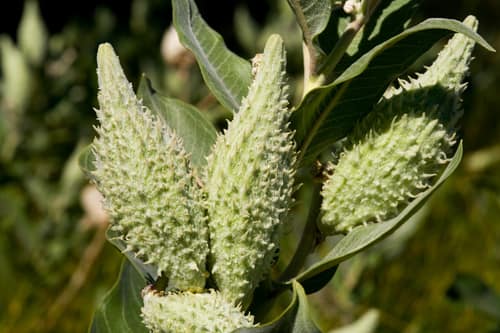
Narrowleaf milkweed forms airy clumps of whorled, thread-like foliage topped with umbrella-like clusters of delicate white to pale rose flowers. As a primary host plant for monarch butterflies across the western United States, its leaves nourish developing caterpillars while supplying them with protective cardiac glycosides. In autumn, slender erect pods split open to release hundreds of silky, wind-borne seeds across dry meadows, chaparral slopes, and valley floors.
HabitatsChaparral, dry meadows, valley floors, roadsides
Life span5–10+ years
Classification
OrderGentianales
FamilyApocynaceae
GenusAsclepias
SpeciesAsclepias fascicularis
Range & activity
Range data is not available yet.
Safe observation
Interaction riskHigh
Low
Moderate
High
Very high
Why interaction risk is high
All parts contain cardiac glycosides; do not ingest and avoid getting milky sap in eyes.
Why it is dangerous
Contains cardiac glycosides that disrupt cellular ion pumps, causing gastrointestinal distress and potential heart arrhythmia if ingested in large quantities.
How to recognize a risky encounter
Recognized by extremely narrow, needle-like leaves arranged in whorls along pale green stems with white to pale pink star-shaped flowers.
What to do
Avoid ingesting any part of the plant, and wash hands thoroughly after handling milky stems.
Responsible observation
Butterfly Gardening: Plant in full sun and well-draining soil to support native western monarchs.
Sap Caution: Wear gloves when cutting back stems to avoid contact with irritating latex sap.
Caterpillar Spotting: Search leaf undersides for tiny eggs or black, white, and yellow striped larvae.