
Flower · GBIF taxon 3169391
Fringed Loosestrife
Lysimachia ciliataAlso known as Fringed Yellow Loosestrife, Ciliate Loosestrife
Fringed loosestrife brightens damp woodlands, ditches, and riparian edges with nodding, butter-yellow flowers that emerge from the upper leaf axils in midsummer. The plant earns its name from the distinct fringe of stiff hairs lining each leaf stalk, visible upon close inspection. Instead of nectar, specialized glands produce energy-rich floral oils that sustain specialist solitary bees entirely dependent on this native wetland perennial.
WildflowerWetlandPerennial
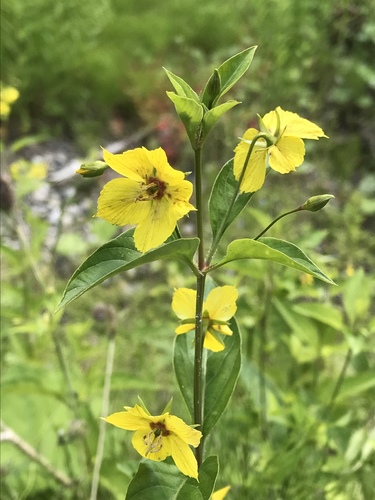
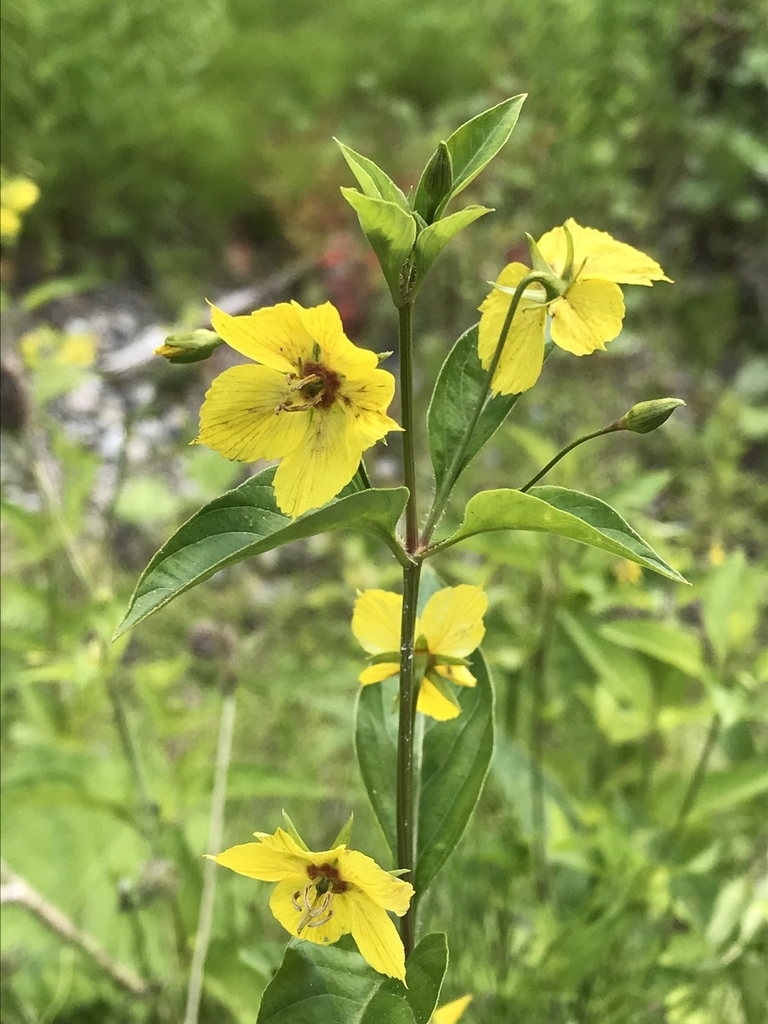
Licensed reference(c) er-birds, some rights reserved (CC BY), uploaded by er-birds · cc-by
—observations
—countries
—peak records
Least ConcernConservation statusIUCN Red List categoriesLCNTVUENCREWEXLeast ConcernRed List categories, explained →
Diet & prey
- Autotrophic (photosynthetic)
Predators
- White-tailed deer
- Sawfly larvae
- Aphids
ThreatsWetland drainage, invasive species competition, agricultural runoff
HabitatsWet meadows, stream banks, floodplain forests, marshes, moist ditches
Life spanPerennial (several to many years via rhizomes)
Size / weightNot available
Classification
- OrderEricales
- FamilyPrimulaceae
- GenusLysimachia
- SpeciesLysimachia ciliata
Range data is not available yet.
Interaction riskLow
- Low
- Moderate
- High
- Very high
- Why interaction risk is low
- Safe to observe at a normal distance.
Responsible observation
- Finding Blooms: Scan damp ditches and sunny streambanks between June and August for open yellow blossoms.
- Observing Specialist Bees: Watch the nodding flower heads quietly on sunny mornings to glimpse oil-collecting bees.
- Checking Petioles: Use a hand lens along the leaf stalks to see the fine row of hairs that gives the plant its name.
 Image unavailable
Pollinator 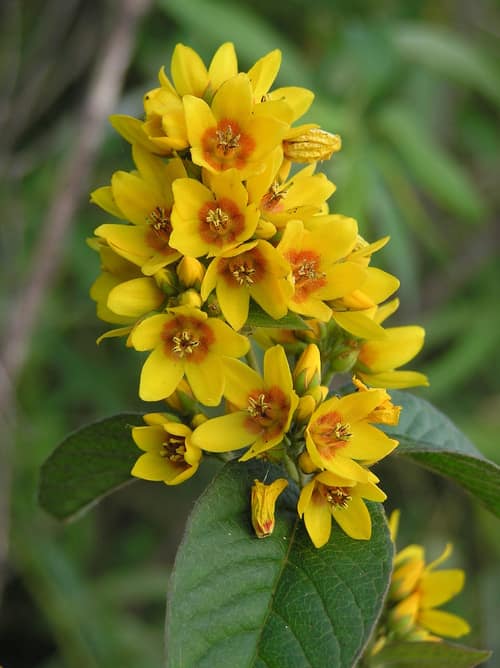
Same Genus (c) Le.Loup.Gris, some rights reserved (CC BY-SA) · cc-by-sa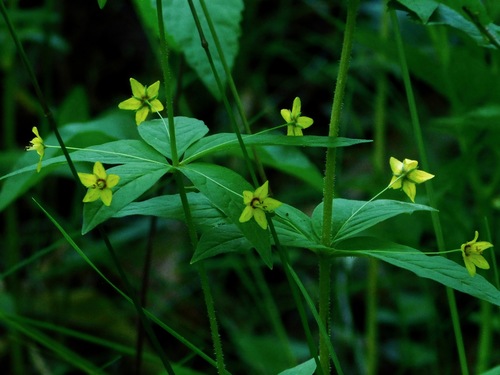
Close Relative (c) Michael J. Papay, some rights reserved (CC BY) · cc-by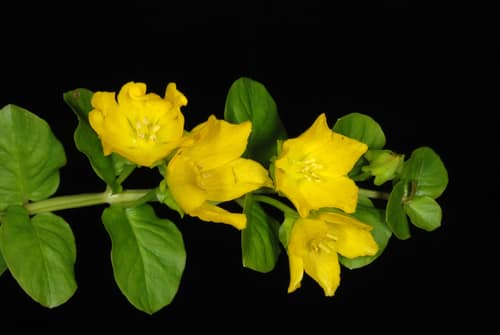
Close Relative (c) Douglas Goldman, some rights reserved (CC BY-SA), uploaded by Douglas Goldman · cc-by-sa
Help improve the field guideSomething wrong?
Checking your Fauna account…Report a name, category, or profile issue for review.