
Plant · GBIF taxon 3169169
Asian Bittersweet
Celastrus orbiculatusAlso known as Oriental Bittersweet, Chinese Bittersweet, Round-leaved Bittersweet, Asiatic Bittersweet
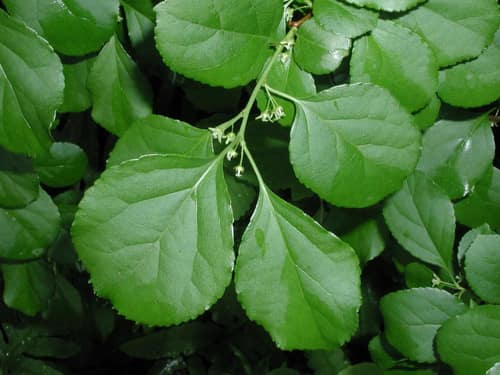
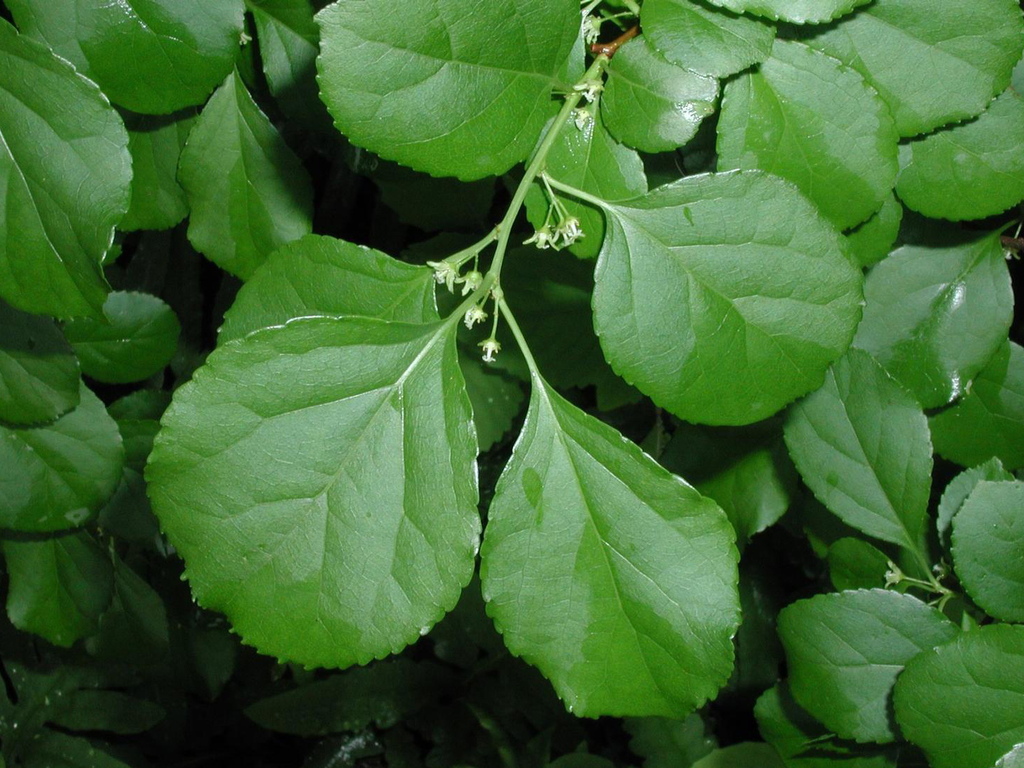
Asian bittersweet climbs aggressively by twining around trees, smothering native canopy plants and easily toppling mature trees under heavy vine weight. In autumn, female plants produce abundant yellow capsules that split open to expose bright scarlet arils, attracting birds that spread seeds across great distances. It frequently hybridizes with native species, altering local woodland ecology across introduced ranges.
InvasiveWoody VineDeciduous
—observations
—countries
—peak records
Not EvaluatedConservation statusIUCN Red List categoriesLCNTVUENCREWEXNot Evaluated — not placed on the risk ladderRed List categories, explained →
Diet & prey
- Autotrophic (Photosynthetic)
Predators
- Songbirds
- Small Mammals
- White-tailed Deer
ThreatsTargeted by mechanical pulling and herbicide management outside its native range
HabitatsForest edges, open woodlands, hedgerows, thickets, disturbed soils
Life spanPerennial (several decades)
Size / weightNot available
Classification
- OrderCelastrales
- FamilyCelastraceae
- GenusCelastrus
- SpeciesCelastrus orbiculatus
Range data is not available yet.
Interaction riskHigh
- Low
- Moderate
- High
- Very high
- Why interaction risk is high
- Berries contain toxins that cause severe digestive distress; wild berries have dangerous look-alikes, so never ingest.
- Why it is dangerous
- Contains toxic alkaloids and resins that cause severe vomiting, diarrhea, and stomach cramps if ingested.
- How to recognize a risky encounter
- Recognized by round, finely toothed leaves and bright yellow seed capsules that split to reveal orange-red arils.
- What to do
- Wear gloves when cutting vines to avoid skin contact with sap, and never consume wild berries.
Responsible observation
- Identification: Look for bright orange-yellow seed pods opening to reveal red fleshy arils in autumn.
- Management: Pull young vines up by the roots before they strangle native host trees.
- Prevention: Avoid using fruiting branches in autumn wreaths to prevent seed spread into nearby forests.
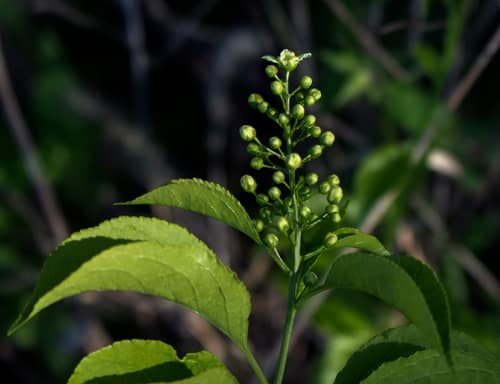
Native Look-alike (c) aarongunnar, some rights reserved (CC BY), uploaded by aarongunnar · cc-by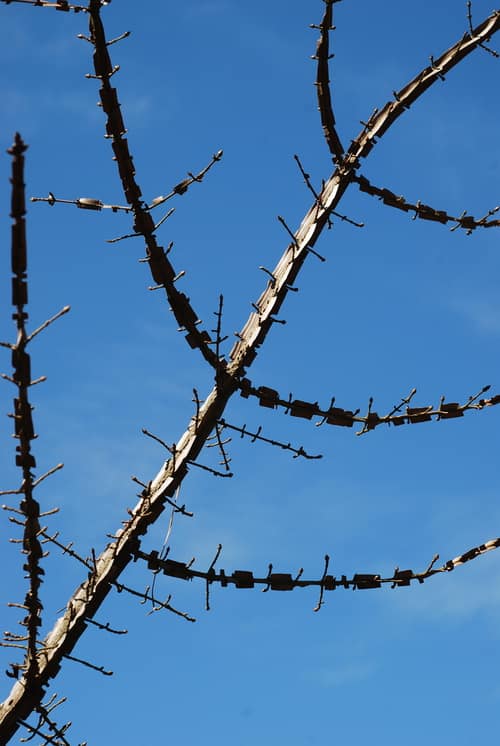
Close Relative (c) Douglas Goldman, some rights reserved (CC BY-SA), uploaded by Douglas Goldman · cc-by-sa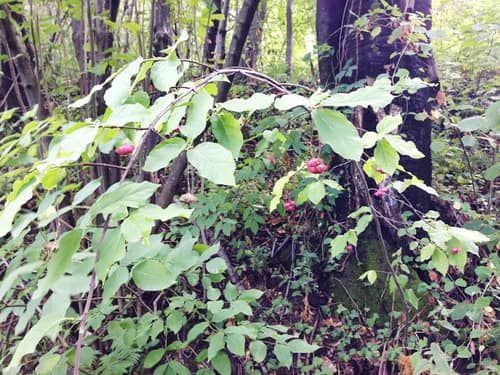
Close Relative (c) Vedran Lastovčić, some rights reserved (CC BY), uploaded by Vedran Lastovčić · cc-by
Help improve the field guideSomething wrong?
Checking your Fauna account…Report a name, category, or profile issue for review.