
Plant
Wahoo
Euonymus atropurpureusAlso known as American Wahoo, Eastern Wahoo, Hearts Bursting With Love, Burningbush
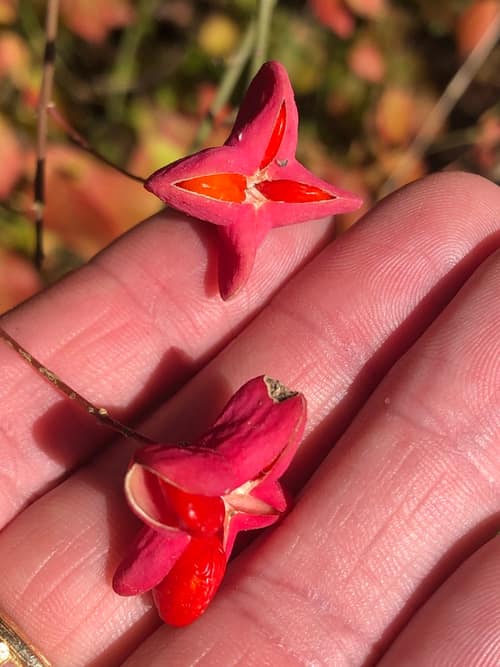
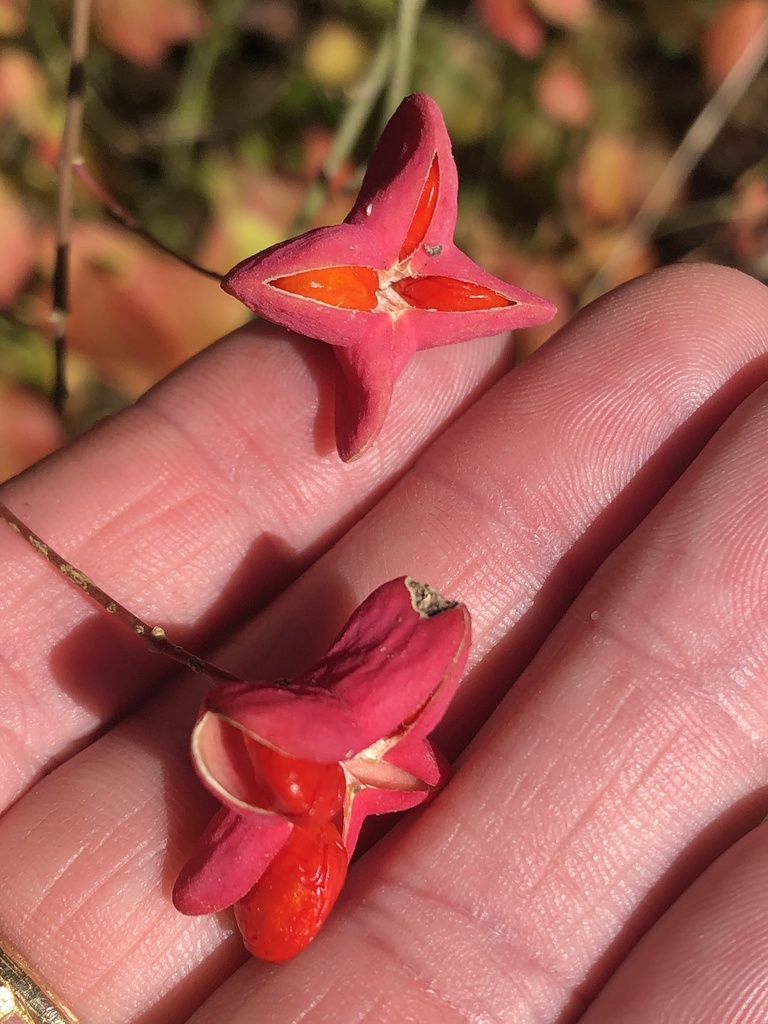
American wahoo lights up eastern deciduous woodlands in autumn when its smooth purple capsules split open to reveal fiery scarlet, aril-covered seeds. Slender green twigs and small dark purple four-petaled flowers distinguish this native understory shrub from imported relatives. Local songbirds feast on the seeds through early winter, safely dispersing the plant while the foliage fades to soft crimson.
DeciduousNativeUnderstory
—observations
—countries
—peak records
Least ConcernConservation statusIUCN Red List categoriesLCNTVUENCREWEXLeast ConcernRed List categories, explained →
Diet & preySunlight, Water, Soil Nutrients
Predators
- White-tailed Deer
- Eastern Cottontail
- Euonymus Scale
ThreatsDisplacement by invasive shrubs, heavy deer browse, habitat fragmentation
HabitatsDeciduous woodlands, river valleys, limestone bluffs, forest edges
Life span30–50 years
Classification
- OrderCelastrales
- FamilyCelastraceae
- GenusEuonymus
- SpeciesEuonymus atropurpureus
Range data is not available yet.
Interaction riskHigh
- Low
- Moderate
- High
- Very high
- Why interaction risk is high
- Toxic if ingested; wild berries have dangerous look-alikes, so never eat wild plants based on app identification.
- Why it is dangerous
- Contains toxic evonine alkaloids and cardiac glycosides that cause severe abdominal pain, persistent vomiting, diarrhea, and heart failure.
- How to recognize a risky encounter
- Recognized by four-lobed dangling pinkish-purple fruit capsules that crack open to show flesh-covered scarlet seeds.
- What to do
- Wear garden gloves when pruning branches, and keep all parts away from pets and small children.
Responsible observation
- Observation Timing: Search damp woodland slopes in mid-to-late autumn to spot the dramatic split-open seed capsules.
- Identification Clue: Examine young branches for smooth green bark, distinguishing it from the corky-winged invasive burning bush.
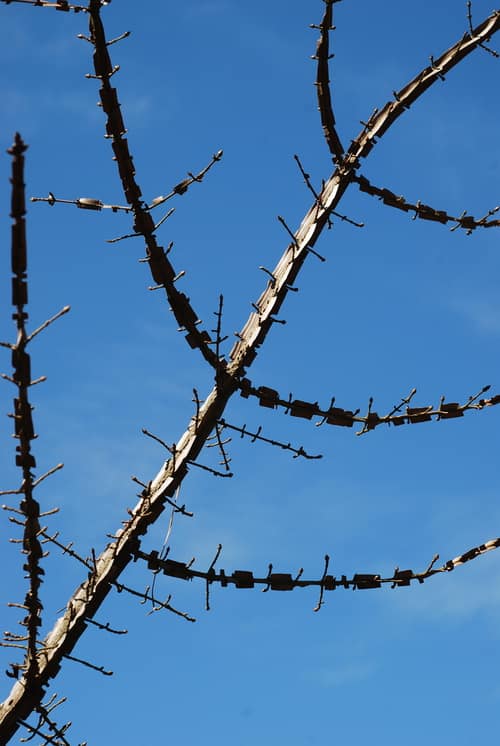
Competitor (c) Douglas Goldman, some rights reserved (CC BY-SA), uploaded by Douglas Goldman · cc-by-sa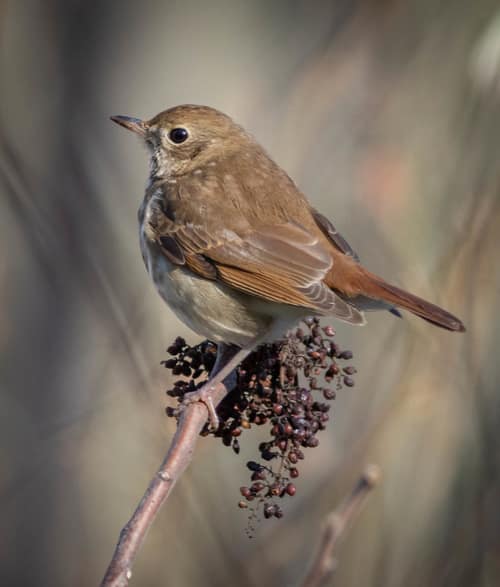
Seed Disperser (c) kirk gardner, some rights reserved (CC BY), uploaded by kirk gardner · cc-by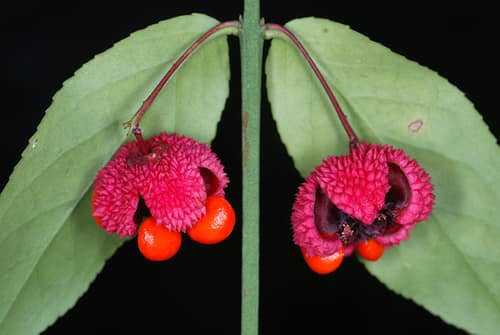
Close Relative (c) Douglas Goldman, some rights reserved (CC BY-SA), uploaded by Douglas Goldman · cc-by-sa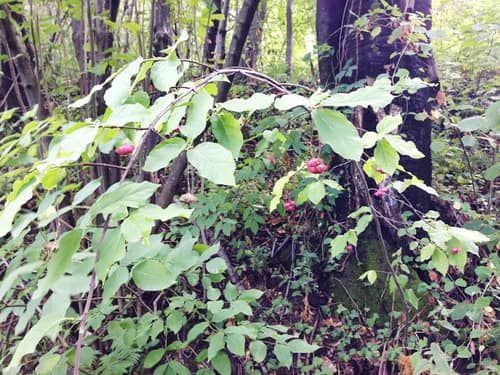
Close Relative (c) Vedran Lastovčić, some rights reserved (CC BY), uploaded by Vedran Lastovčić · cc-by
Help improve the field guideSomething wrong?
Checking your Fauna account…Report a name, category, or profile issue for review.