
Plant · GBIF taxon 3169120
Winged Euonymus
Euonymus alatusAlso known as Burning Bush, Winged Spindle, Winged Spindle-Tree
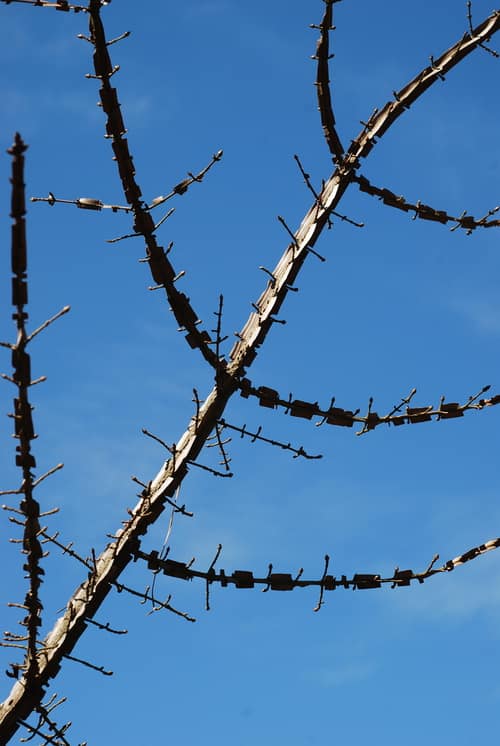
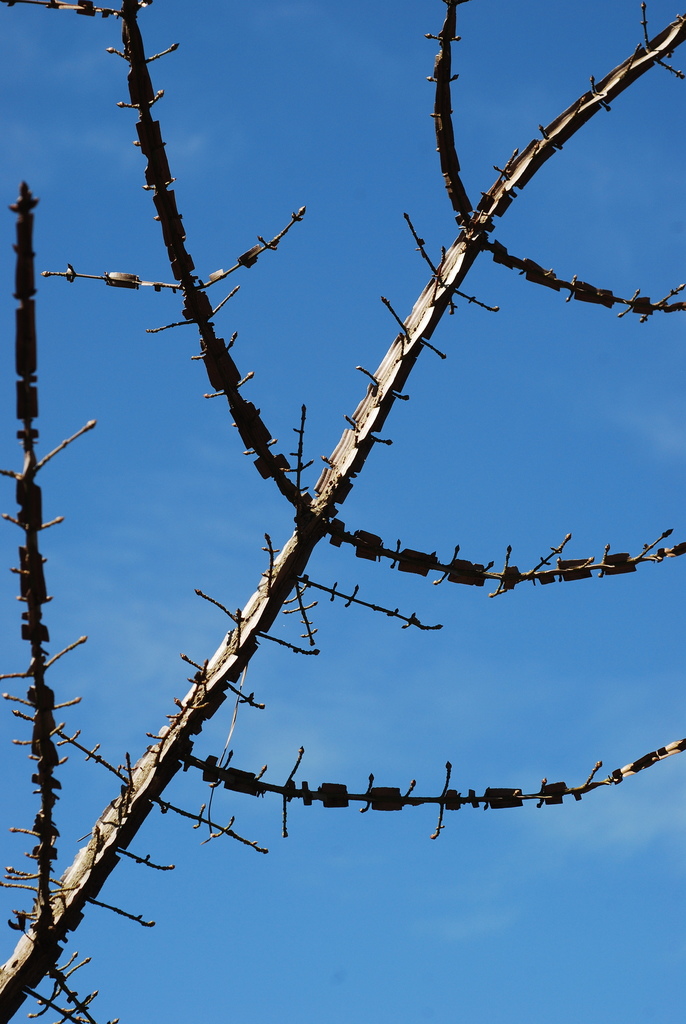
Winged euonymus transforms forest understories and garden borders into brilliant crimson landscapes each autumn. Corky, wing-like ridges stretch along four sides of its square twigs, providing clear visual identification even after the bright red foliage drops. Birds readily consume the small reddish arils, unknowingly dispersing seeds into natural areas where dense thickets shade out native vegetation.
InvasiveDeciduousFall Color
 1 / 7
1 / 7—observations
—countries
—peak records
Not EvaluatedConservation statusIUCN Red List categoriesLCNTVUENCREWEXNot Evaluated — not placed on the risk ladderRed List categories, explained →
Diet & prey
- Autotrophic (Photosynthesis)
Predators
- White-Tailed Deer
- Euonymus Scale
- Two-Spotted Spider Mite
ThreatsHabitat removal, targeted invasive species management, mechanical clearing
HabitatsDeciduous forests, woodland margins, pastures, disturbed urban soils
Life span30–50 years
Size / weightNot available
Classification
- OrderCelastrales
- FamilyCelastraceae
- GenusEuonymus
- SpeciesEuonymus alatus
Range data is not available yet.
Interaction riskHigh
- Low
- Moderate
- High
- Very high
- Why interaction risk is high
- All plant parts are toxic if ingested, and wild berries have dangerous look-alikes; never eat.
- Why it is dangerous
- Cardenolides and alkaloids throughout the plant cause severe vomiting, diarrhea, abdominal pain, and potential heart rhythm disturbances.
- How to recognize a risky encounter
- Recognize by four prominent papery wings running down young stems and brilliant scarlet leaves in fall.
- What to do
- Do not consume any berries or foliage, and keep plant debris out of reach of livestock and pets.
Responsible observation
- Stem Cues: Examine twigs for prominent corky ridges to verify identification in winter.
- Removal Methods: Pull small seedlings by hand early in spring before roots anchor deeply.
- Eco Alternatives: Replace garden specimens with native highbush cranberry to protect wild forests.
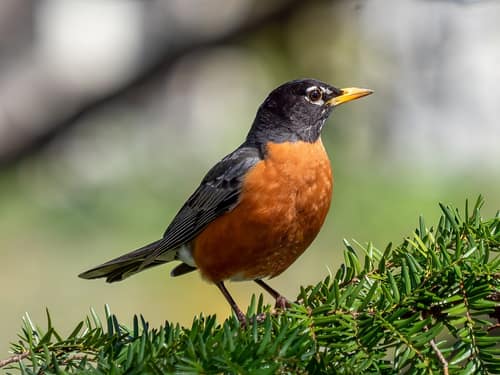
Seed Disperser Rhododendrites / CC BY-SA 4.0 · cc-by-sa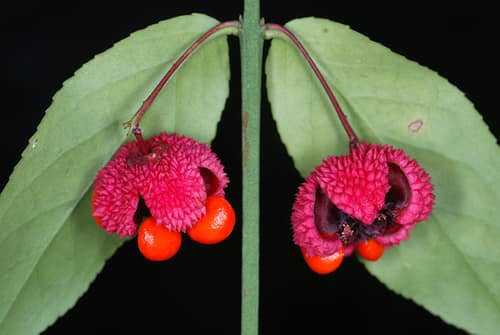
Close Relative (c) Douglas Goldman, some rights reserved (CC BY-SA), uploaded by Douglas Goldman · cc-by-sa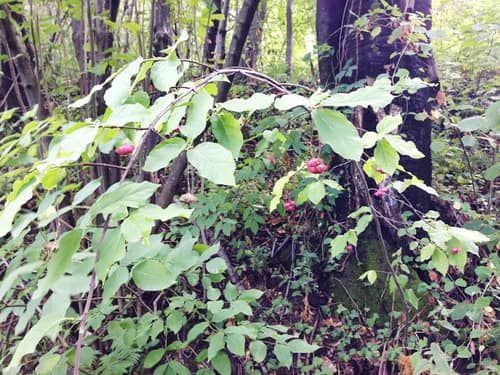
Close Relative (c) Vedran Lastovčić, some rights reserved (CC BY), uploaded by Vedran Lastovčić · cc-by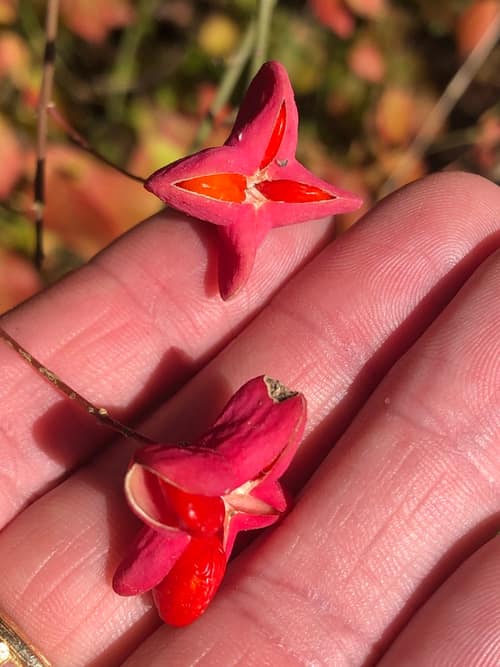
Close Relative (c) Sam Kieschnick, some rights reserved (CC BY), uploaded by Sam Kieschnick · cc-by
Help improve the field guideSomething wrong?
Checking your Fauna account…Report a name, category, or profile issue for review.