
Flower
Balloon Flower
Platycodon grandiflorusAlso known as Chinese Bellflower, Japanese Bellflower, Korean Bellflower, Platycodon
Swollen flower buds expand like inflated paper lanterns before bursting open into star-shaped, five-lobed violet-blue blossoms. Native to sunny mountain meadows and forest margins across East Asia, this perennial anchors itself with a deep, fleshy taproot that fuels vigorous re-emergence each spring. Dense summer blooms provide generous nectar reservoirs, attracting solitary bees, bumblebees, and butterflies.
FloweringPerennialPollinator Magnet
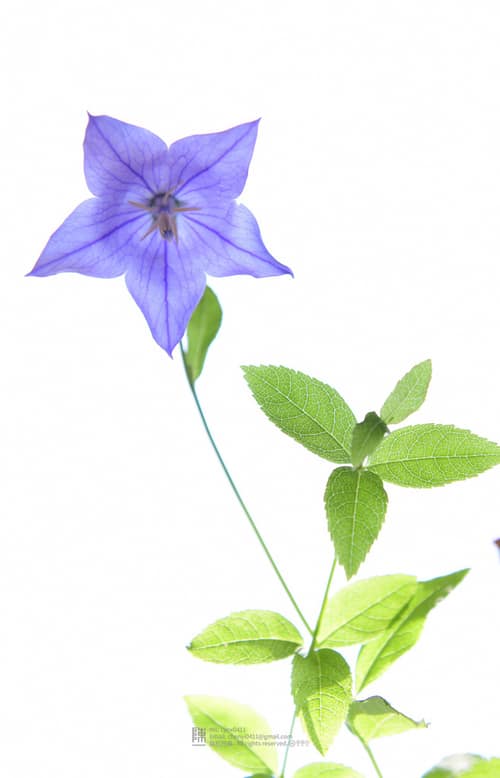
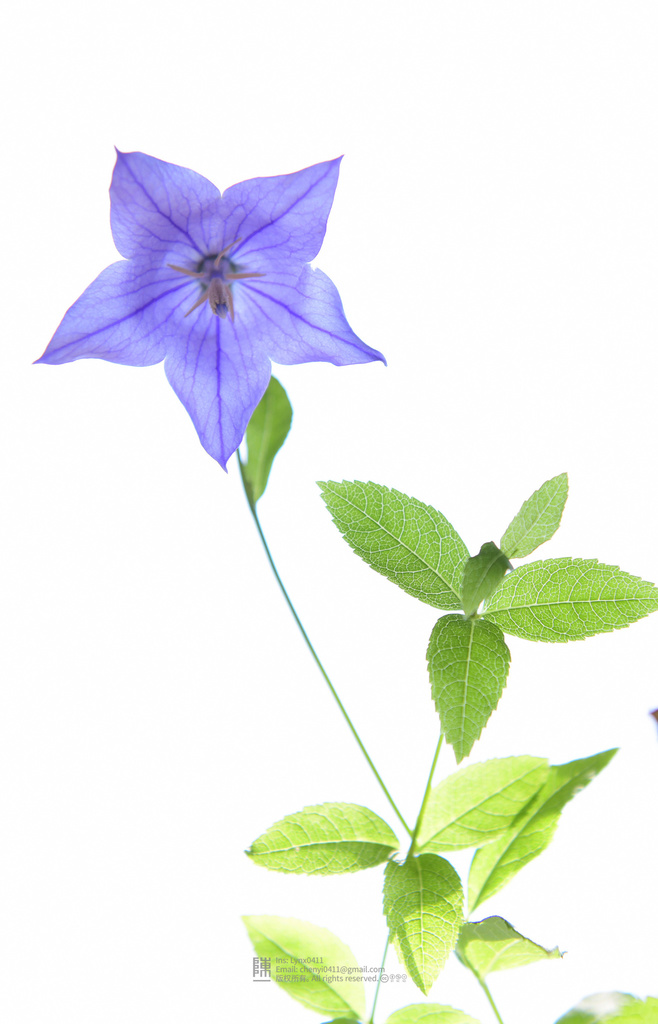
—observations
—countries
—peak records
Not EvaluatedConservation statusIUCN Red List categoriesLCNTVUENCREWEXNot Evaluated — not placed on the risk ladderRed List categories, explained →
Diet & preyPhotosynthesis
Predators
- Garden Slugs
- Snails
- Two-spotted Spider Mites
ThreatsWild root overharvesting, habitat conversion, and slug herbivory
HabitatsGrassy mountain slopes, sunny meadows, forest margins, and gardens
Life span10–20 years
Classification
- OrderAsterales
- FamilyCampanulaceae
- GenusPlatycodon
- SpeciesPlatycodon grandiflorus
Range data is not available yet.
Interaction riskLow
- Low
- Moderate
- High
- Very high
- Why interaction risk is low
- Safe to observe at a normal distance.
Responsible observation
- Blooming Season: Look for distinctive balloon-like buds opening from mid-summer through early autumn.
- Gentle Inspection: Observe the inflated buds closely without squeezing, as pinching can tear the delicate petals.
- Pollinator Viewing: Check open blooms on warm afternoons to spot native bees gathering nectar inside the star-shaped cups.
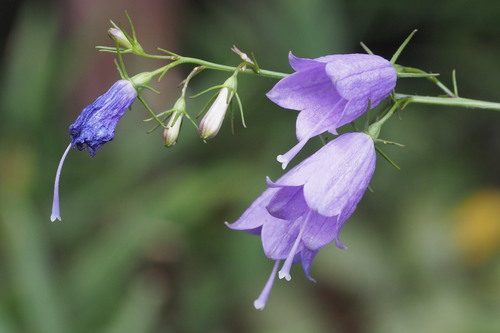
Frequent Companion (c) harum.koh, some rights reserved (CC BY-SA), uploaded by harum.koh · cc-by-sa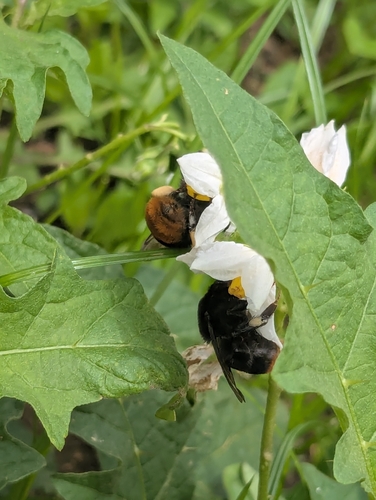
Pollinator no rights reserved · cc0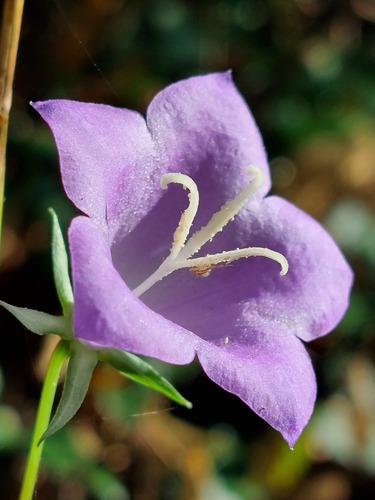
Close Relative (c) purperlibel, some rights reserved (CC BY-SA), uploaded by purperlibel · cc-by-sa Image unavailable
Close Relative
Help improve the field guideSomething wrong?
Checking your Fauna account…Report a name, category, or profile issue for review.