
Plant · GBIF taxon 3163304
Tall Bellflower
Campanulastrum americanumAlso known as American Bellflower
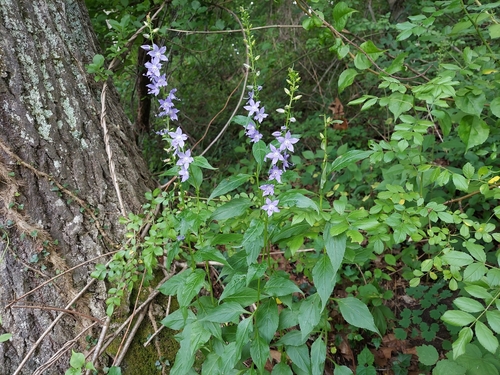
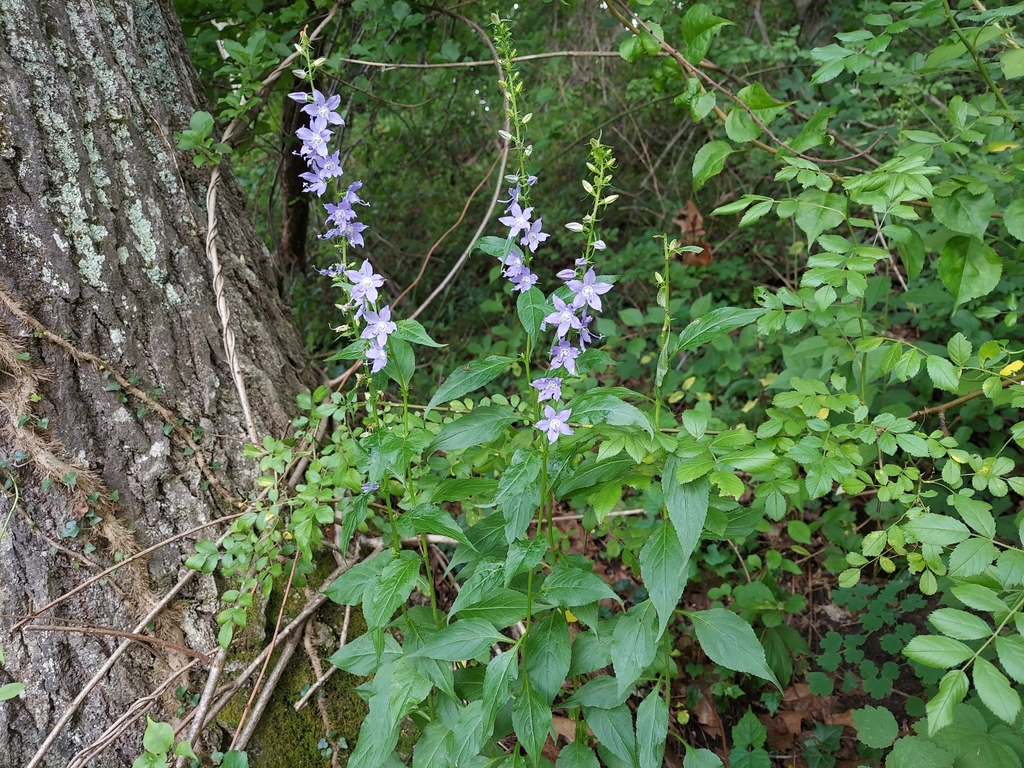
Tall bellflowers produce striking spires of star-like blue to purple flowers featuring white central rings and long, upward-curving styles. Germination timing determines whether an individual operates as a spring-blooming annual or a late-summer biennial. These majestic woodland herbs thrive along moist forest edges where native bees depend heavily on their pollen and nectar.
WildflowerNativePollinator Friendly
—observations
—countries
—peak records
Least ConcernConservation statusIUCN Red List categoriesLCNTVUENCREWEXLeast ConcernRed List categories, explained →
Diet & prey
- Autotrophic
Predators
- White-tailed Deer
- Slugs
- Herbivorous Caterpillars
ThreatsHabitat fragmentation, invasive plant competition
HabitatsMoist woodlands, stream banks, forest clearings, rich thickets
Life span1–2 years
Size / weightNot available
Classification
- OrderAsterales
- FamilyCampanulaceae
- GenusCampanulastrum
- SpeciesCampanulastrum americanum
Range data is not available yet.
Interaction riskLow
- Low
- Moderate
- High
- Very high
- Why interaction risk is low
- Safe to observe at a normal distance.
Responsible observation
- Field Identification: Inspect the flat, star-like blue flowers with prominently curved styles extending far beyond the petals.
- Seasonal Timing: Look for tall blooming stalks along shady forest trails from mid-summer through early autumn.
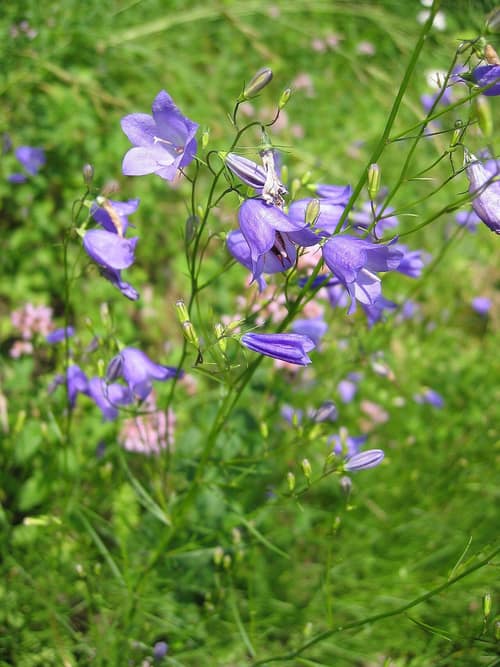
Close Relative Wikimedia Commons / CC BY-SA 3.0 · cc-by-sa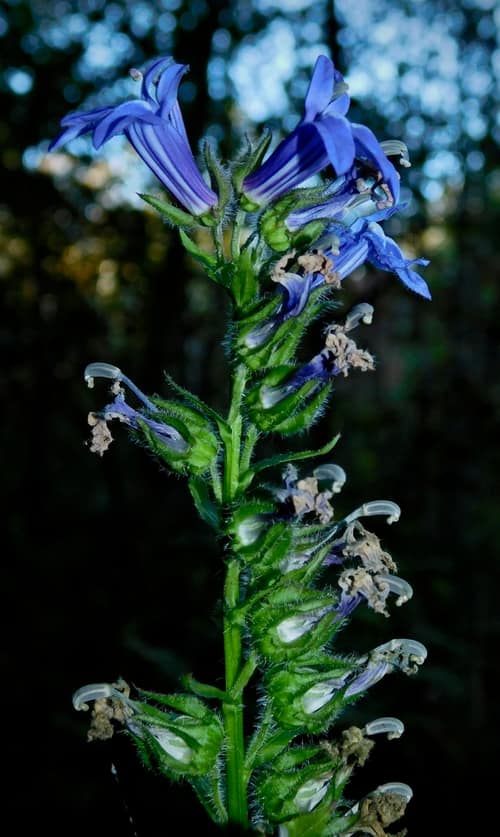
Family Member (c) Michael J. Papay, some rights reserved (CC BY), uploaded by Michael J. Papay · cc-by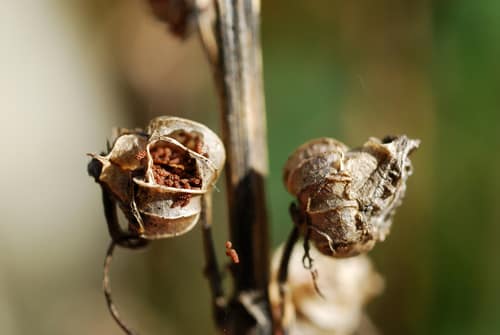
Family Member (c) Douglas Goldman, some rights reserved (CC BY-SA), uploaded by Douglas Goldman · cc-by-sa
Help improve the field guideSomething wrong?
Checking your Fauna account…Report a name, category, or profile issue for review.