
Plant · GBIF taxon 3158040
Common Pawpaw
Asimina trilobaAlso known as American Pawpaw, Indiana Banana, Poor Man's Banana, False Banana
Common pawpaws form dense clonal thickets in rich floodplain forests and moist bottomlands across eastern North America. In early spring, nodding maroon flowers bloom before the large, tropical-looking leaves expand, emitting a faint fetid odor that attracts carrion flies and beetles for pollination. Large fleshy green fruits mature in late summer, serving as an important seasonal nutrient source for wild mammals like raccoons, foxes, and opossums.
Understory TreeDeciduousNative Fruit
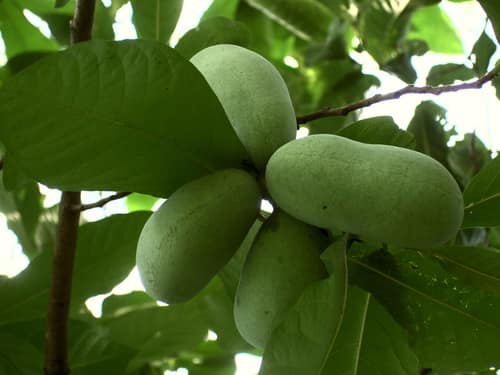
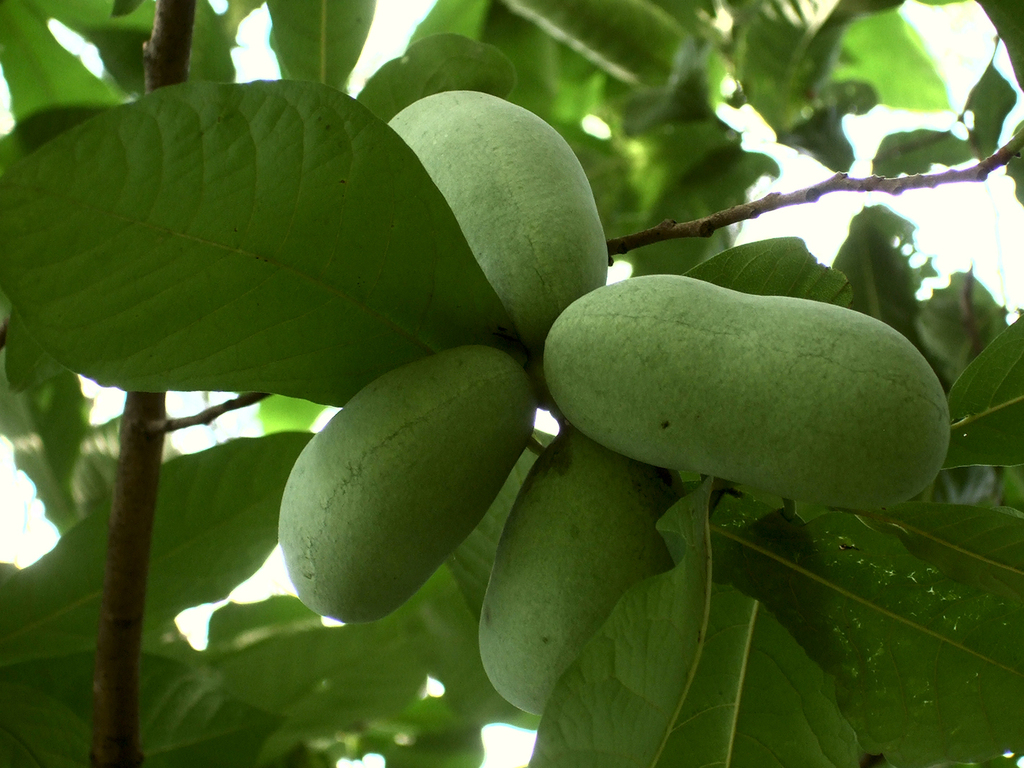
—observations
—countries
—peak records
Least ConcernConservation statusIUCN Red List categoriesLCNTVUENCREWEXLeast ConcernRed List categories, explained →
Diet & prey
- Autotrophic (Photosynthetic)
Predators
- Zebra Swallowtail Butterfly
- Raccoons
- Opossums
ThreatsHabitat fragmentation, invasive species competition, deer overbrowsing of surrounding understory
HabitatsMoist bottomland forests, floodplain woods, river banks, rich mesic slopes
Life span40–80 years
Size / weightNot available
Classification
- OrderMagnoliales
- FamilyAnnonaceae
- GenusAsimina
- SpeciesAsimina triloba
Range data is not available yet.
Interaction riskLow
- Low
- Moderate
- High
- Very high
- Why interaction risk is low
- Wild fruits have toxic look-alikes; never eat based on app identification alone.
Responsible observation
- Spotting Leaves: Look for large, obovate leaves clustered at branch tips that smell like bell peppers when crushed.
- Finding Flowers: Inspect understory branches in mid-spring for nodding, six-petaled flowers that turn deep maroon.
- Identifying Thickets: Watch for interconnected groves created by clonal root suckers in damp bottomland woods.
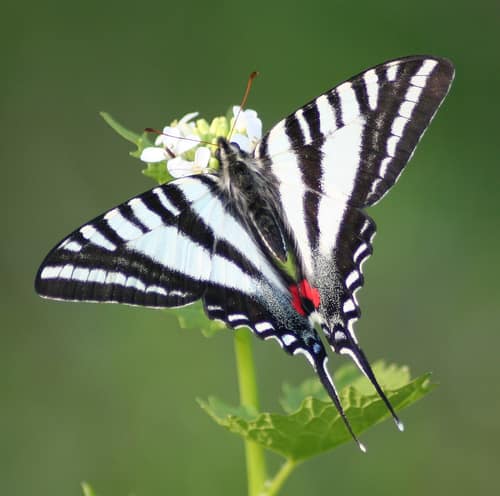
Host Plant Megan McCarty / CC BY 3.0 · cc-by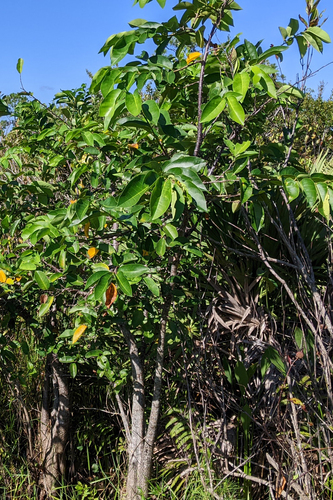
Close Relative (c) Kristof Zyskowski, some rights reserved (CC BY), uploaded by Kristof Zyskowski · cc-by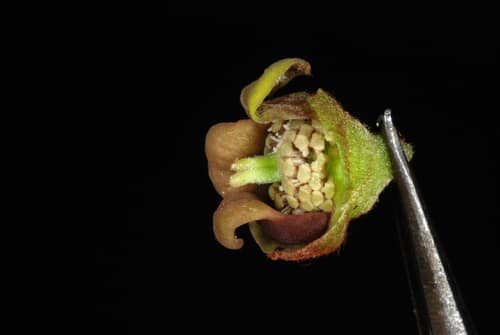
Close Relative (c) Douglas Goldman, some rights reserved (CC BY-SA), uploaded by Douglas Goldman · cc-by-sa
Help improve the field guideSomething wrong?
Checking your Fauna account…Report a name, category, or profile issue for review.