
Plant
Monoon Longifolium
Polyalthia longifoliaAlso known as Mast Tree, Cemetery Tree, Telegraph Tree, Indian Fir
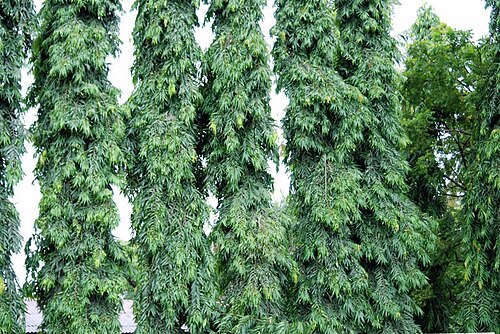
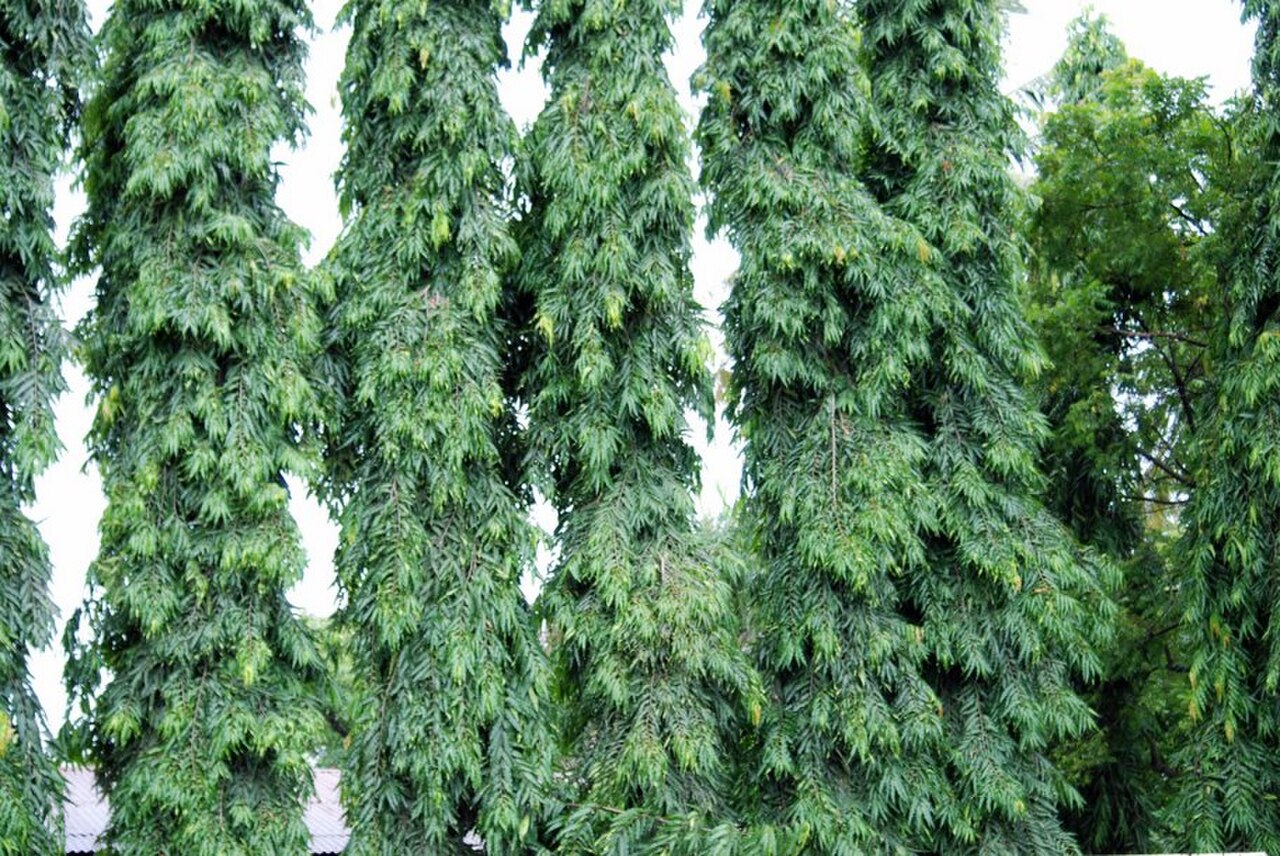
False ashoka grows into a striking, columnar tree with pendulous weeping branches clothed in lustrous, wavy-edged foliage. In spring, delicate pale-green star-shaped blossoms emerge along the branches, followed by dense clusters of purplish-black fruit that attract bats and frugivorous birds. Widely cultivated across tropical Asia, its slender silhouette and dense foliage make it a favored architectural screen and an exceptionally effective buffer against urban noise pollution.
EvergreenOrnamentalTropical Tree
—observations
—countries
—peak records
Least ConcernConservation statusIUCN Red List categoriesLCNTVUENCREWEXLeast ConcernRed List categories, explained →
Diet & preyAutotrophic (photosynthetic)
Predators
- Indian Flying Fox
- Asian Koel
- Rose-ringed Parakeet
ThreatsUrban development, windstorms, and fungal root rot
HabitatsTropical dry evergreen forests, coastal lowlands, parks, and urban roadways
Life span50–100 years
Classification
- FamilyAnnonaceae
- SpeciesPolyalthia longifolia
Range data is not available yet.
Interaction riskLow
- Low
- Moderate
- High
- Very high
- Why interaction risk is low
- Wild fruits have toxic look-alikes; never consume wild plant parts based on app identification alone.
Responsible observation
- Noise Buffering: Plant closely in linear rows along streets or property lines to form dense acoustic screens.
- Form Maintenance: Avoid lopping the central leader, which ruins the naturally weeping pyramidal architecture.
- Soil Management: Site in deep, well-draining loam under full sun for rapid establishment and sturdy roots.
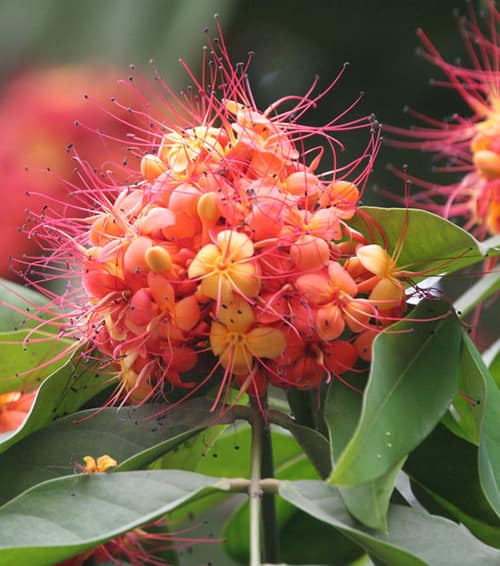
Look-alike J.M.Garg / CC BY-SA 3.0 · cc-by-sa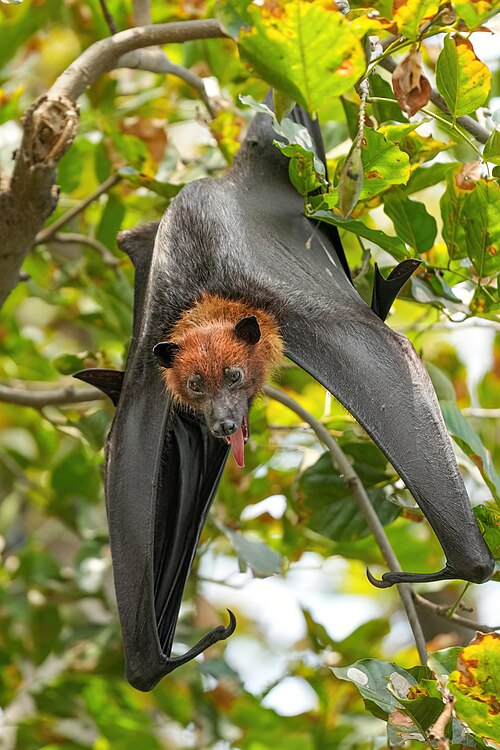
Seed Disperser Giles Laurent / CC BY-SA 4.0 · cc-by-sa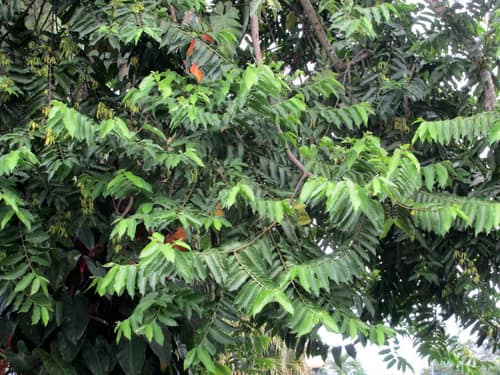
Same Family (c) Joan Simon, some rights reserved (CC BY-SA) · cc-by-sa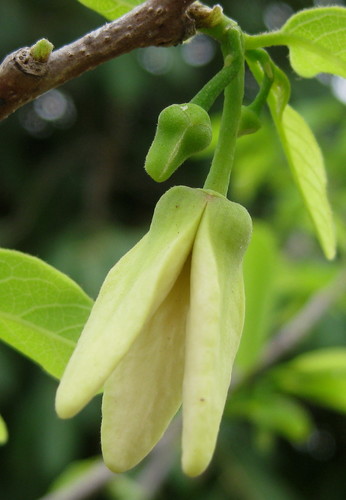
Same Family (c) Ton Rulkens, some rights reserved (CC BY-SA) · cc-by-sa
Help improve the field guideSomething wrong?
Checking your Fauna account…Report a name, category, or profile issue for review.