
Plant · GBIF taxon 3152861
American Tuliptree
Liriodendron tulipiferaAlso known as Tulip Tree, Yellow Poplar, Tulip Poplar
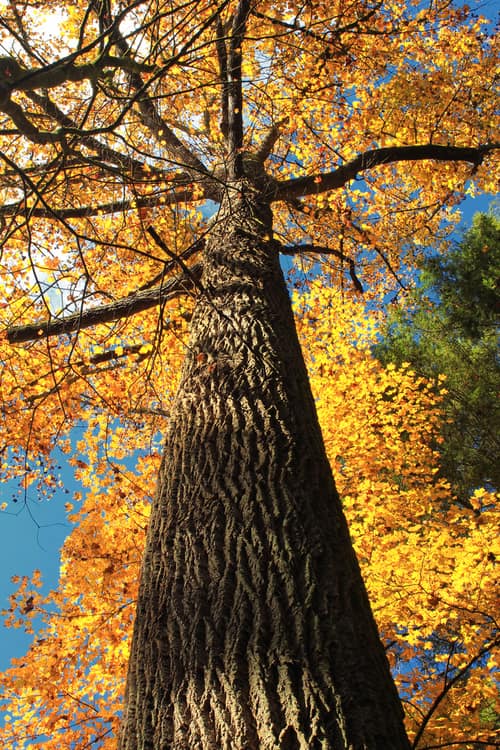
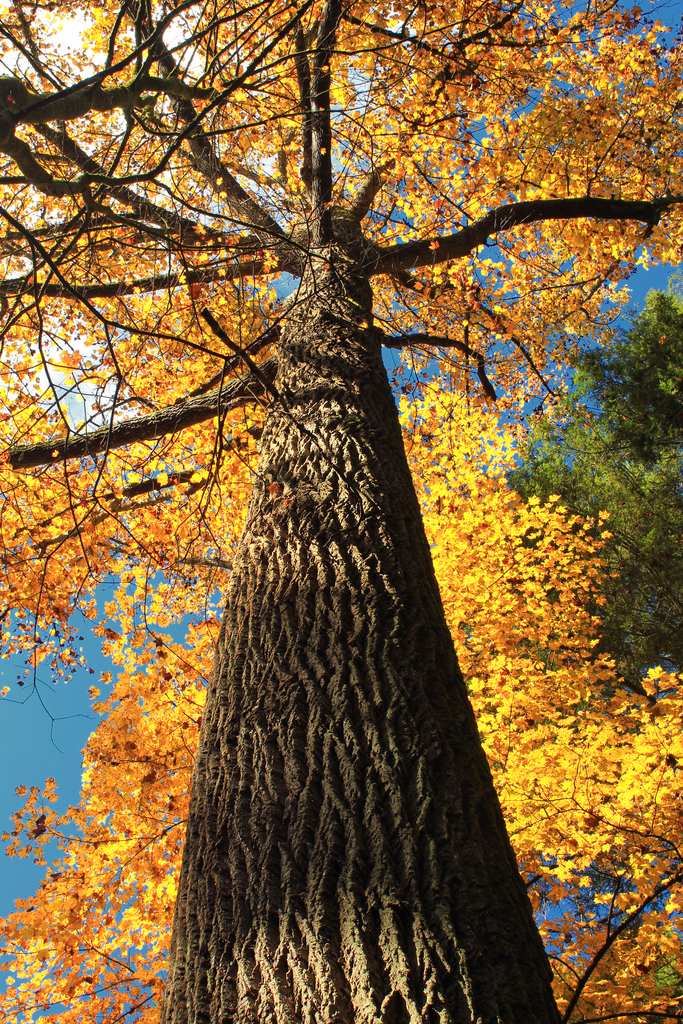
American tuliptree is a towering deciduous tree with distinctive four-lobed leaves that appear squared off at the tip. Mature trees bear greenish-yellow cup-shaped flowers high in the canopy and develop straight trunks with furrowed bark.
canopy treefour-lobed leafdeciduous
—observations
—countries
—peak records
Least ConcernConservation statusIUCN Red List categoriesLCNTVUENCREWEXLeast ConcernRed List categories, explained →
Diet & prey
- Produces energy through photosynthesis and draws water and minerals through deep woody roots
Predators
- tuliptree scale
- caterpillars
- deer
ThreatsForest clearing, drought, severe storms, soil compaction, and browsing of young trees
HabitatsMoist coves, rich deciduous forests, lower slopes, and well-drained stream valleys
Life spanOften two hundred years or more, with exceptional trees living considerably longer
Size / weightNot available
Classification
- OrderMagnoliales
- FamilyMagnoliaceae
- GenusLiriodendron
- SpeciesLiriodendron tulipifera
Range data is not available yet.
Interaction riskLow
- Low
- Moderate
- High
- Very high
- Why interaction risk is low
- Large branches can fall during storms; admire mature crowns from clear ground.
Responsible observation
- Identify: Look for flat-topped four-lobed leaves and pale tulip-shaped flowers.
- Observe: Search fallen leaves beneath tall straight trunks when flowers are out of reach.
Help improve the field guideSomething wrong?
Checking your Fauna account…Report a name, category, or profile issue for review.