
Plant
Oriental Sweetgum
Liquidambar orientalisAlso known as Turkish Sweetgum, Storax Tree
Oriental sweetgums are Tertiary relict trees that form lush, fragrant forests along river floodplains in southwestern Turkey and on the island of Rhodes. Their deeply five-lobed, maple-like leaves shift from bright green to fiery shades of crimson, amber, and gold each autumn, while spiky, woody seed balls dangle from the branches into winter. When wounded, the bark exudes a sweet, balsamic resin known as storax, which has been tapped for incense, medicine, and perfumery since antiquity.
DeciduousAromatic
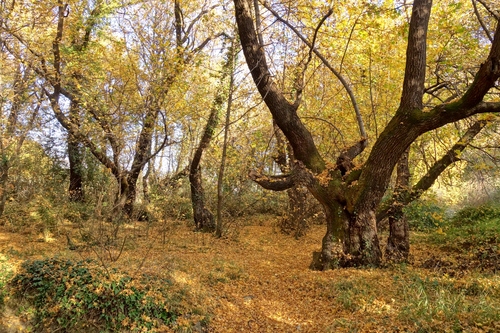
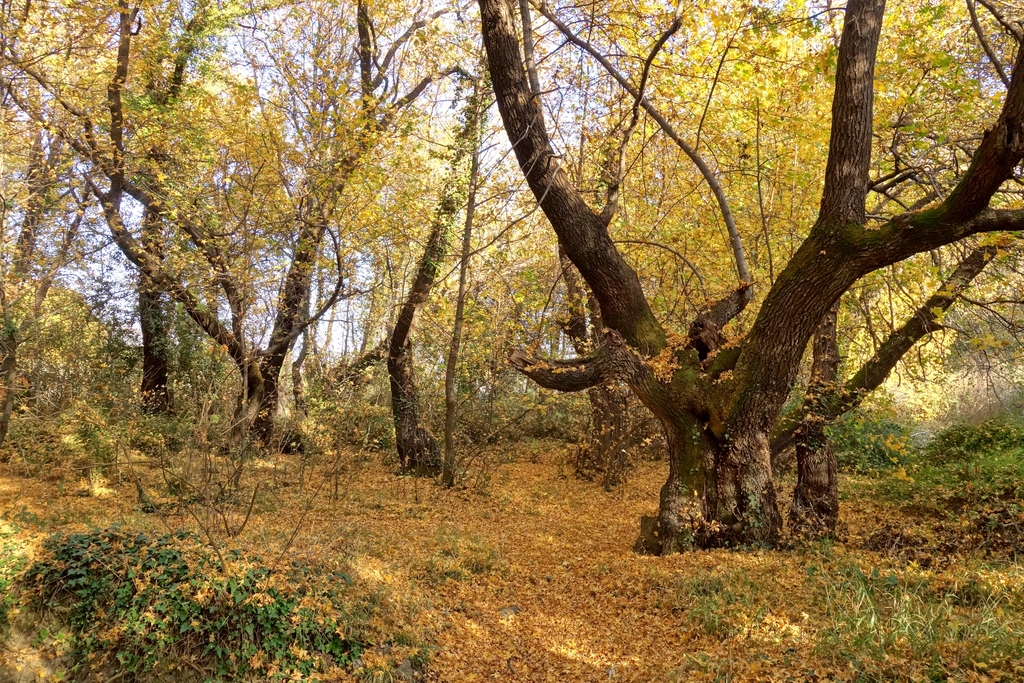
—observations
—countries
—peak records
EndangeredConservation statusIUCN Red List categoriesLCNTVUENCREWEXEndangeredRed List categories, explained →
Diet & preyPhotosynthetic autotroph absorbing water and soil nutrients
Predators
- Browsing livestock
- Wood-boring beetles
- Defoliating caterpillars
ThreatsAgricultural drainage, dam construction, coastal development, over-tapping for resin
HabitatsRiparian floodplains, river valleys, moist alluvial soils
Life span100 to 200 years
Classification
- FamilyAltingiaceae
- SpeciesLiquidambar orientalis
Range data is not available yet.
Interaction riskLow
- Low
- Moderate
- High
- Very high
- Why interaction risk is low
- Safe to observe at a normal distance.
- What to notice
- Look for a medium-sized deciduous tree in moist river valleys with deeply five-lobed, toothed leaves and hanging, spiky spherical fruit clusters.
- Support conservation
- Keep to established trails to protect root zones and regenerating saplings, and never carve or tap the bark for resin.
Responsible observation
- Scent: Crushed leaves and bark release a sweet, balsamic aroma.
- Respect Bark: Avoid peeling or cutting trunks, as resin tapping stresses endangered trees.
- Footpaths: Stay on boardwalks in protected valleys to avoid compacting shallow, water-loving roots.
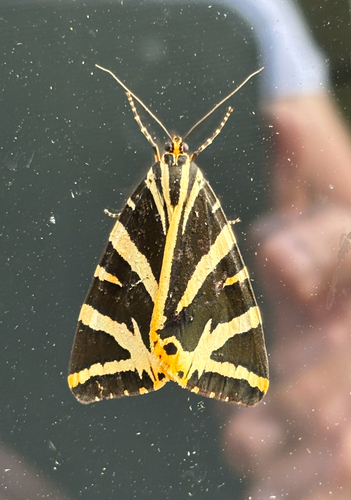
Summer Visitor (c) Jose Gutierrez Higa, some rights reserved (CC BY) · cc-by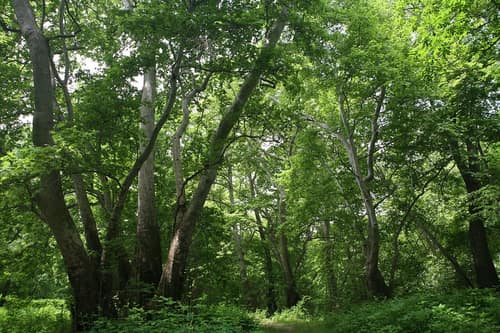
Frequent Companion uncredited / CC BY-SA 3.0 · cc-by-sa Image unavailable
Frequent Companion 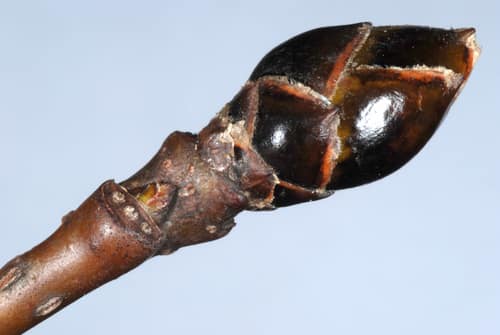
Close Relative (c) Douglas Goldman, some rights reserved (CC BY-SA), uploaded by Douglas Goldman · cc-by-sa
Help improve the field guideSomething wrong?
Checking your Fauna account…Report a name, category, or profile issue for review.