
Plant · GBIF taxon 3152824
American Sweetgum
Liquidambar styracifluaAlso known as Sweetgum, Redgum, Star-leaved Gum, Alligatorwood
American sweetgums are iconic canopy trees across eastern North American forests, recognized by glossy five-lobed leaves that turn brilliant shades of crimson, purple, and gold in autumn. They produce distinctive spiky, woody seed capsules that dangle from long stalks before dropping to the ground in winter. A fragrant, amber resin exudes from cuts in the bark, historically harvested for gums, perfumes, and herbal ointments.
DeciduousFall ColorNative Tree
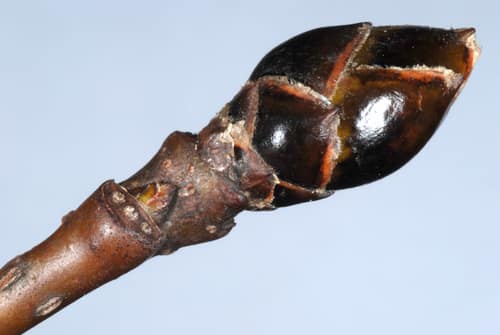
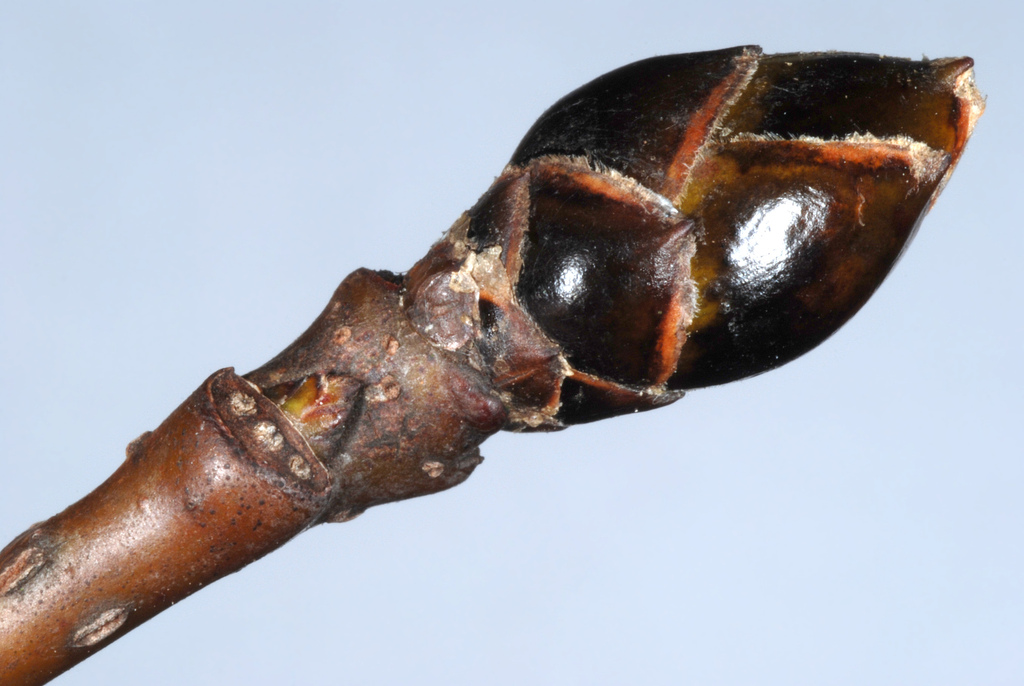 1 / 7
1 / 7—observations
—countries
—peak records
Least ConcernConservation statusIUCN Red List categoriesLCNTVUENCREWEXLeast ConcernRed List categories, explained →
Diet & prey
- Sunlight
- Soil Water
- Carbon Dioxide
Predators
- Luna Moth Caterpillars
- White-tailed Deer
- Beavers
ThreatsSevere drought, coastal flooding, and localized fungal blights
HabitatsBottomland forests, floodplains, rich slopes, and parks
Life span200–300 years
Size / weightNot available
Classification
- OrderSaxifragales
- FamilyAltingiaceae
- GenusLiquidambar
- SpeciesLiquidambar styraciflua
Range data is not available yet.
Interaction riskLow
- Low
- Moderate
- High
- Very high
- Why interaction risk is low
- Safe to observe at a normal distance.
Responsible observation
- Watch Your Step: Spiky dropped seed capsules can create slippery footing on pavement in winter.
- Crush Leaves for Scent: Bruise a leaf during summer to release its sweet, balsam aroma.
- Examine Twigs: Look for prominent corky, wing-like ridges along young branches.
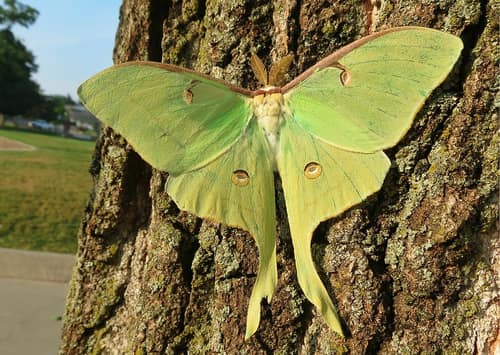
Host Plant "Lovely luna moth at the Neosho National Fish Hatchery" by U.S. Fish and Wildlife Service - Midwest Region is licensed under CC BY 2.0. To view a copy of this license, visit https://creativecommons.org/licenses/by/2.0/. · cc-by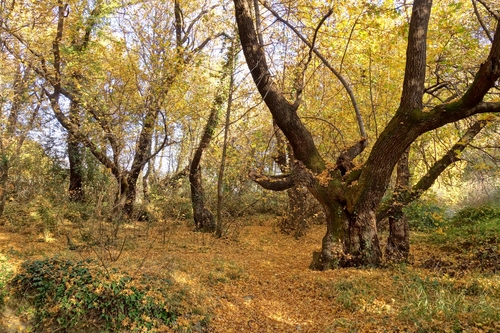
Close Relative (c) Thibaud Aronson, some rights reserved (CC BY-SA) · cc-by-sa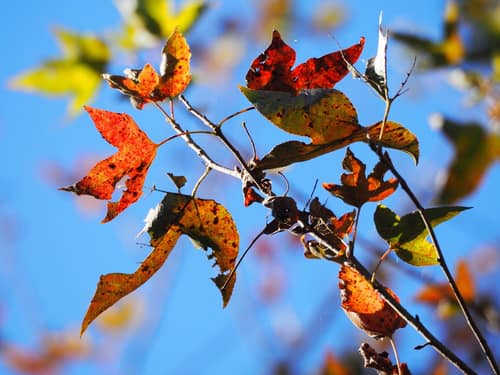
Close Relative no rights reserved, uploaded by 葉子 · cc0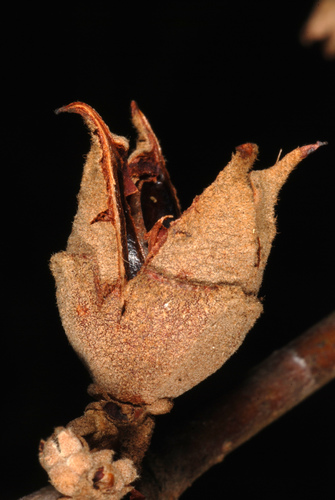
Former Family Kin (c) Douglas Goldman, some rights reserved (CC BY-SA), uploaded by Douglas Goldman · cc-by-sa
Help improve the field guideSomething wrong?
Checking your Fauna account…Report a name, category, or profile issue for review.