
Plant
Turk's Cap
Malvaviscus arboreusAlso known as Wax Mallow, Sleeping Hibiscus, Turk's Turban, Ladies Teardrop
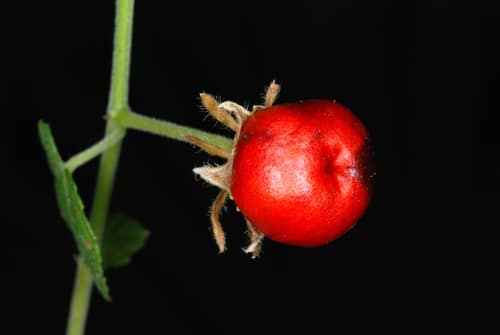
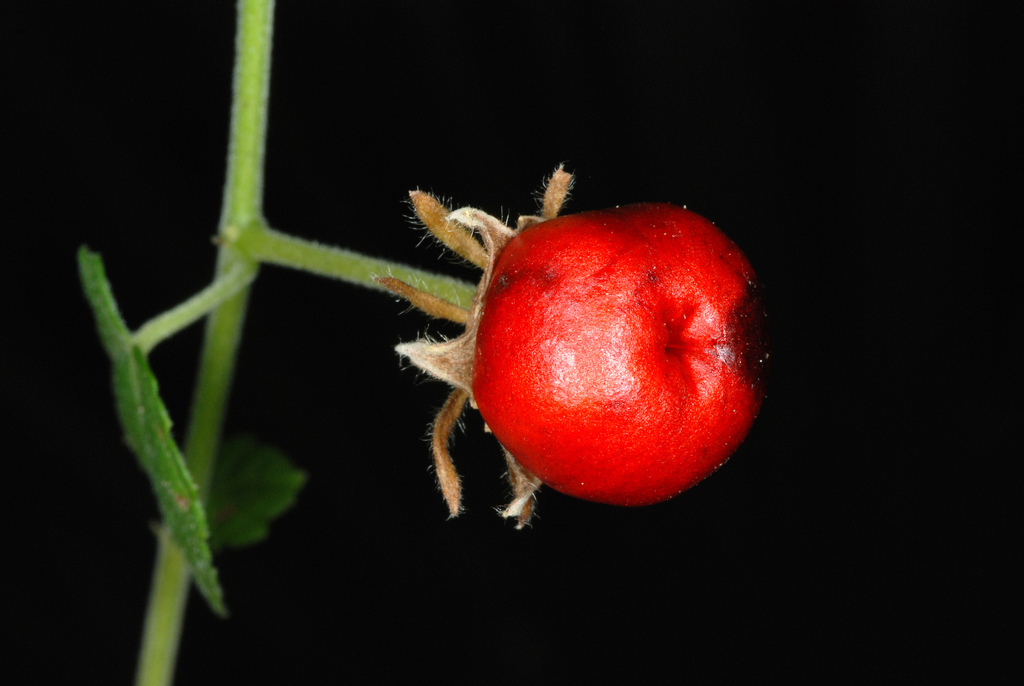
Turk's Cap produces bright red blossoms whose petals stay tightly wrapped around the central column, creating a distinctive sleeping flower appearance. These specialized blooms evolved specifically to accommodate nectar-seeking hummingbirds and butterflies while keeping larger insects out. Following pollination, the plant develops small marble-sized red fruits that provide food for birds and small mammals throughout the cooler months.
FloweringShrubWildlife Haven
—observations
—countries
—peak records
Least ConcernConservation statusIUCN Red List categoriesLCNTVUENCREWEXLeast ConcernRed List categories, explained →
Diet & preySunlight, Water, Soil Nutrients
Predators
- White-tailed Deer
- Caterpillars
- Spider Mites
ThreatsSevere hard frosts, extreme winter temperatures
HabitatsCoastal thickets, woodland margins, shady hammocks, urban gardens
Life span10–30+ years
Classification
- OrderMalvales
- FamilyMalvaceae
- GenusMalvaviscus
- SpeciesMalvaviscus arboreus
Range data is not available yet.
Interaction riskLow
- Low
- Moderate
- High
- Very high
- Why interaction risk is low
- Wild berries and fruits have toxic look-alikes; never eat based on app identification alone.
Responsible observation
- Gardening: Plant in partial shade to full sun with moist, well-drained soil for persistent blooming.
- Observation: Watch quietly during morning hours when hummingbirds frequently visit the red blooms.
- Maintenance: Cut back woody stems in late winter to encourage bushy new spring foliage.
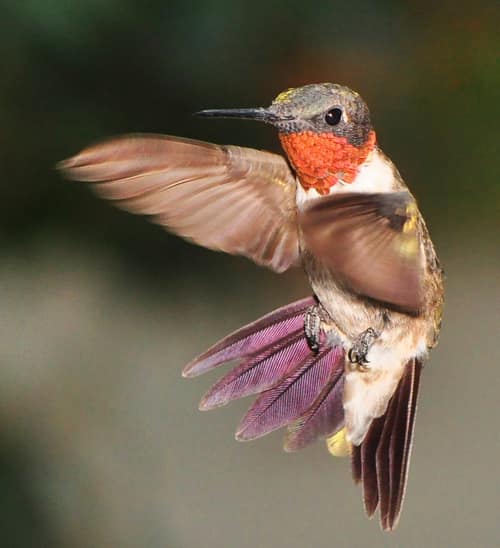
Pollinator jeffreyw / CC BY 2.0 · cc-by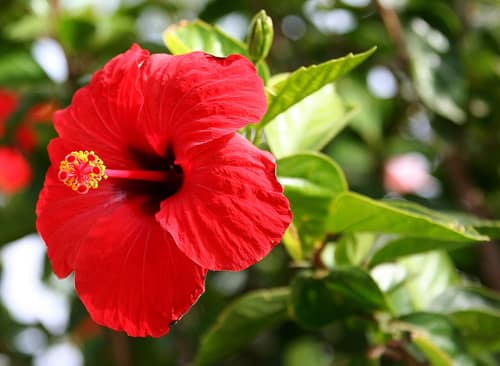
Close Relative Andy / Andrew Fogg from near Cambridge, UK / CC BY 2.0 · cc-by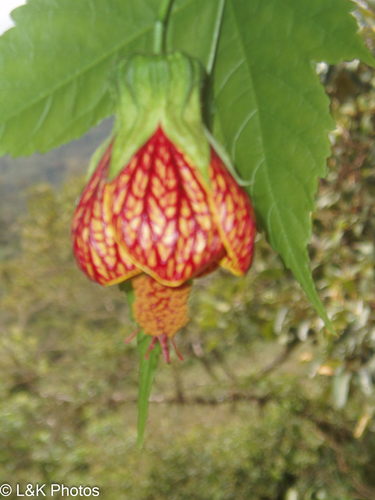
Close Relative no rights reserved, uploaded by lallen · cc0
Help improve the field guideSomething wrong?
Checking your Fauna account…Report a name, category, or profile issue for review.