
Plant · GBIF taxon 3152661
Upland Cotton
Gossypium hirsutumAlso known as Mexican Cotton, Short-Staple Cotton, Bourbon Cotton
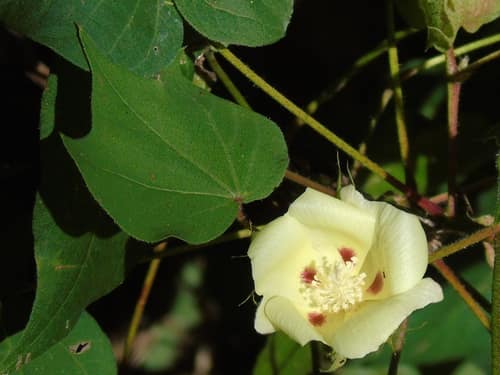
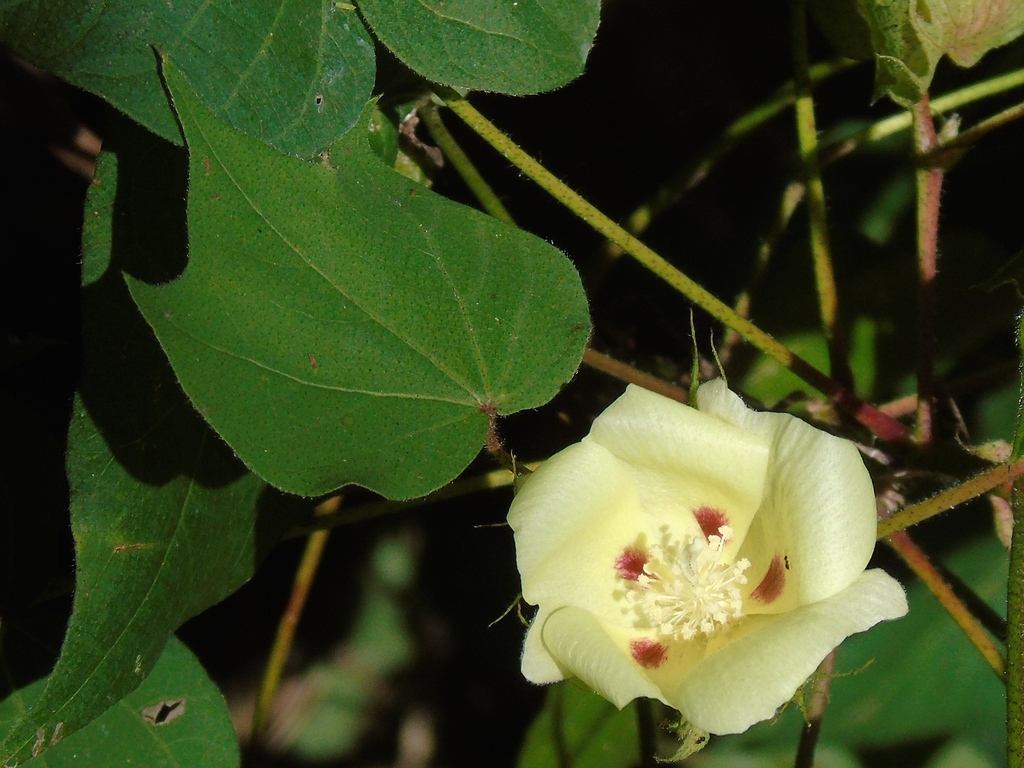
Upland cotton produces cream-colored blossoms that quickly shift to dusky pink after successful pollination, eventually ripening into dry capsules known as bolls. Once mature, these bolls split open to expose massed white seed hairs that evolved to disperse seeds on wind currents. While cultivated globally as a major fiber crop, wild populations persist in tropical coastal scrub where they grow as sprawling perennial shrubs.
CropFiber PlantFlowering
—observations
—countries
—peak records
VulnerableConservation statusIUCN Red List categoriesLCNTVUENCREWEXVulnerableRed List categories, explained →
Diet & prey
- Autotrophic
Predators
- Boll Weevil
- Cotton Bollworm
- Cotton Aphid
ThreatsHabitat loss, genetic erosion from cultivated crop gene flow
HabitatsCoastal scrublands, dry thickets, agricultural fields
Life spanPerennial in wild frost-free zones, grown as an annual crop
Classification
- OrderMalvales
- FamilyMalvaceae
- GenusGossypium
- SpeciesGossypium hirsutum
Range data is not available yet.
Interaction riskHigh
- Low
- Moderate
- High
- Very high
- Why interaction risk is high
- Raw seeds contain toxic gossypol; do not consume raw cotton seeds or unrefined plant material.
- Why it is dangerous
- Seeds and green tissues contain gossypol, a toxic pigment that causes gastrointestinal irritation and organ damage if ingested raw.
- How to recognize a risky encounter
- Look for woody green capsules splitting to reveal white fluffy seed cotton with dark embedded seeds.
- What to do
- Avoid eating raw seeds or unprocessed seed oil; normal touching and photography are completely safe.
- What to notice
- Wild plants appear as sprawling perennial shrubs along tropical coastal dunes and dry thickets.
- Support conservation
- Leave wild populations undisturbed in their native coastal habitats to protect essential wild crop genetics.
Responsible observation
- Floral Viewing: Watch cream flowers turn pink within two days after pollination.
- Boll Development: Observe late-season bolls cracking open to reveal fluffy cotton fibers.
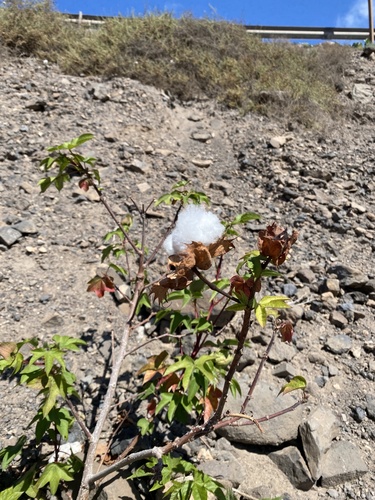
Close Relative (c) Enrico Tomschke, some rights reserved (CC BY) · cc-by Image unavailable
Close Relative 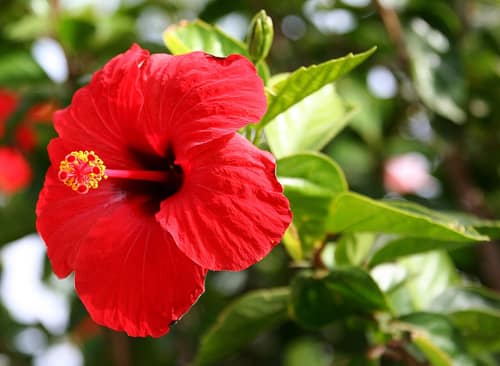
Family Relative Andy / Andrew Fogg from near Cambridge, UK / CC BY 2.0 · cc-by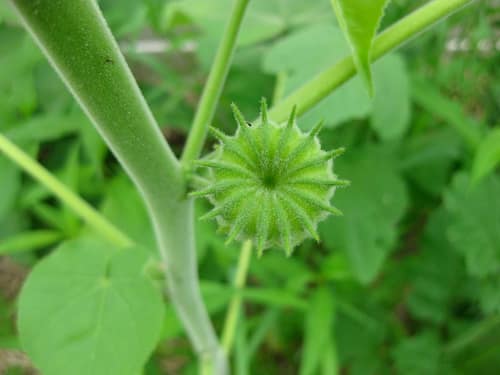
Family Relative (c) anneheathen, some rights reserved (CC BY) · cc-by
Help improve the field guideSomething wrong?
Checking your Fauna account…Report a name, category, or profile issue for review.