
Flower
Sabdariffa Radiata
Hibiscus radiatusAlso known as Monarch Rosemallow, Ruby Hibiscus, Painted Petals Hibiscus
Monarch rosemallow flourishes across tropical clearings and river edges, displaying saucer-sized mauve blooms that unfurl in morning warmth. Deeply lobed, serrated foliage and prickly red-tinged stems deter grazing herbivores while creating dense seasonal shelter for native insects. Traditional gardens across southern Asia cultivate the vigorous herb for its sour young leaves and medicinal root extracts.
TropicalFloweringMedicinal
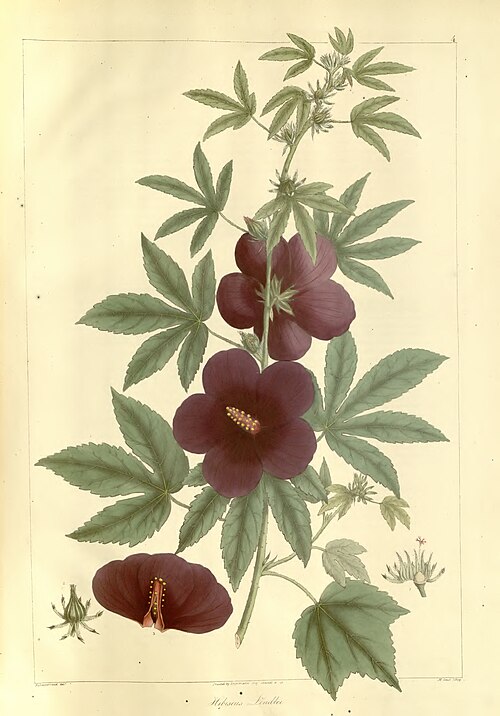
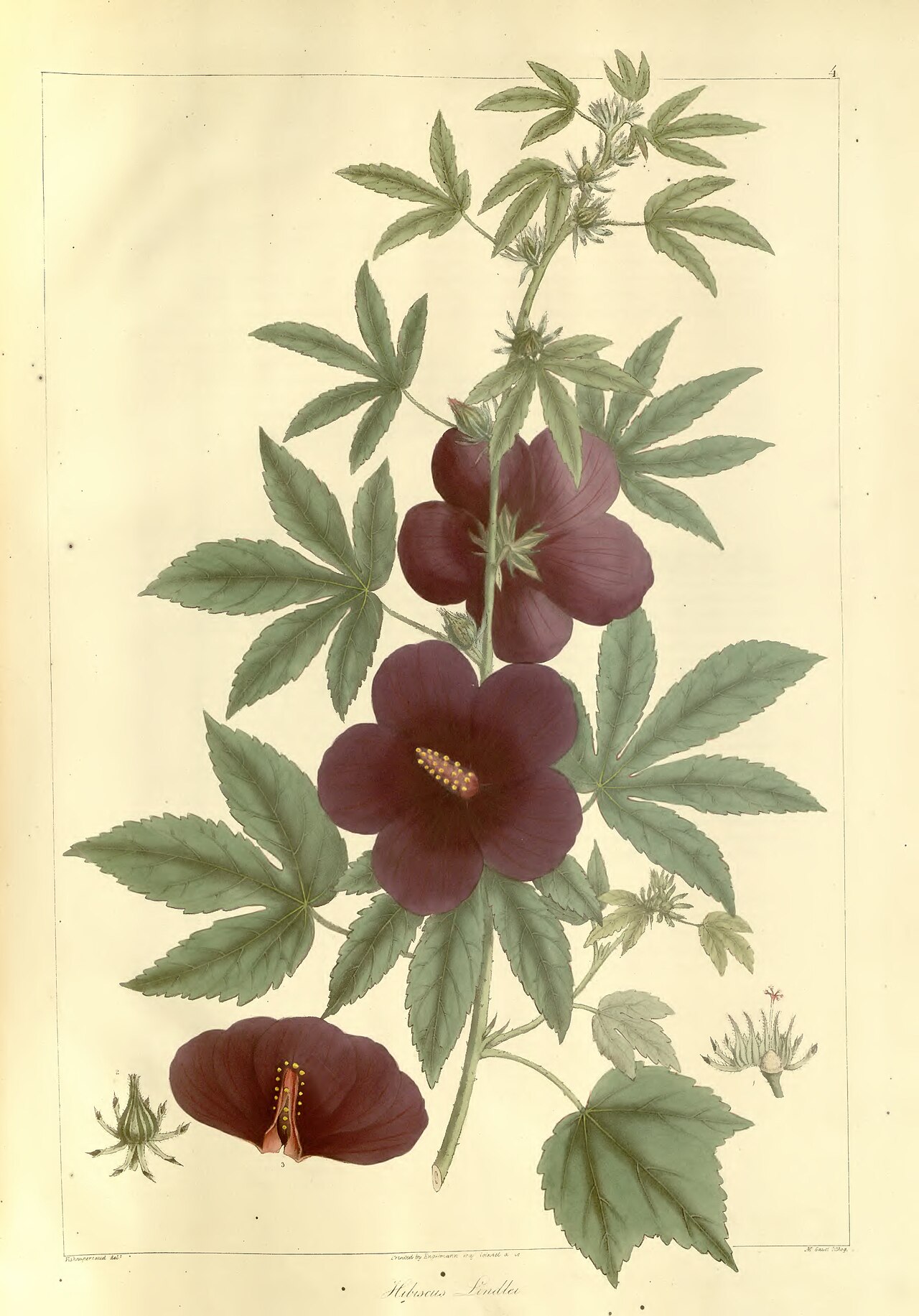
—observations
—countries
—peak records
Not EvaluatedConservation statusIUCN Red List categoriesLCNTVUENCREWEXNot Evaluated — not placed on the risk ladderRed List categories, explained →
Diet & preyPhotosynthetic autotroph
Predators
- Spider mites
- Cotton aphids
- Flea beetles
ThreatsAgricultural intensification, heavy herbicide use, and habitat displacement
HabitatsTropical forest borders, riverbanks, clearings, and cultivated plots
Life span1–2 years
Classification
- OrderMalvales
- FamilyMalvaceae
- GenusHibiscus
- SpeciesHibiscus radiatus
Range data is not available yet.
Interaction riskLow
- Low
- Moderate
- High
- Very high
- Why interaction risk is low
- Safe to observe at a normal distance, though stems bear small prickles.
Responsible observation
- Prickle Warning: Wear gardening gloves when handling stems to avoid scratches from small prickles.
- Floral Viewing: Observe blooms in the morning, as petals open fully in bright sun and often fade by afternoon.
- Foliage Inspection: Examine leaf margins and prickly stems to differentiate it from unrelated look-alikes.
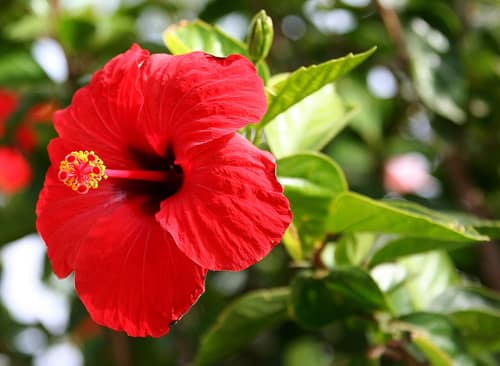
Same Genus Andy / Andrew Fogg from near Cambridge, UK / CC BY 2.0 · cc-by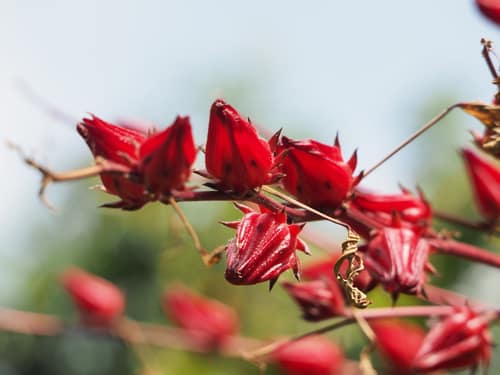
Close Relative no rights reserved, uploaded by 葉子 · cc0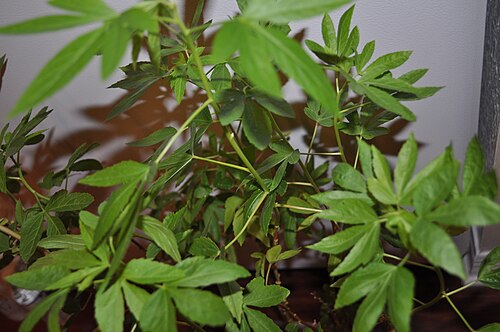
Close Relative Rleo4Guido / CC BY-SA 4.0 · cc-by-sa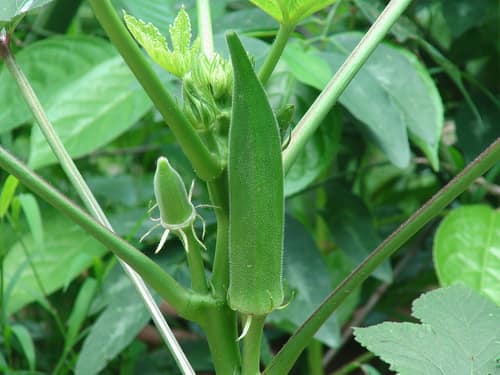
Same Family Earth100 / CC BY-SA 3.0 · cc-by-sa
Help improve the field guideSomething wrong?
Checking your Fauna account…Report a name, category, or profile issue for review.