
Plant · GBIF taxon 3152583
Rose of Sharon
Hibiscus syriacusAlso known as Syrian Ketmia, Shrub Althea, Korean Rose, Rose Mallow
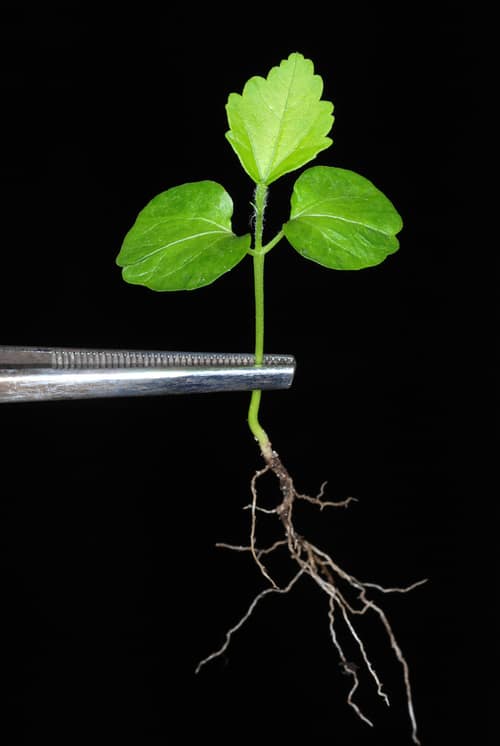
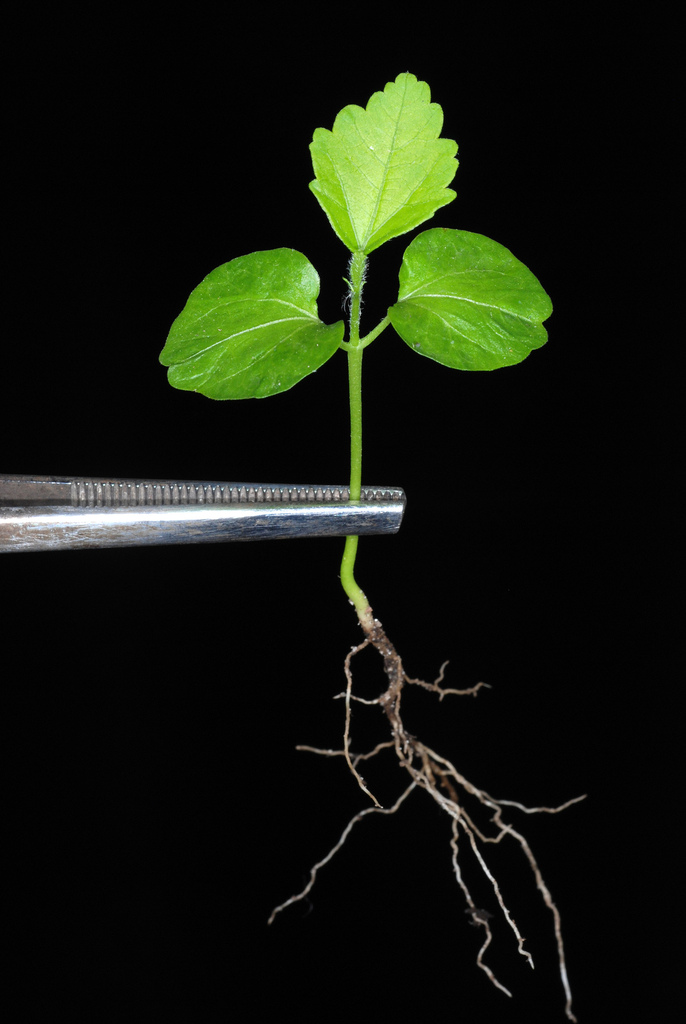
Rose of Sharon is a hardy deciduous shrub renowned for its showy, trumpet-shaped flowers that bloom continuously from midsummer into autumn. Each blossom features five delicate petals surrounding a prominent central column of fused stamens and pistils, attracting bees, hummingbirds, and butterflies. Native to eastern Asia, this resilient shrub tolerates poor soils, heat, and urban pollution, making it a widespread fixture in gardens worldwide.
FloweringOrnamentalDeciduous
 1 / 7
1 / 7—observations
—countries
—peak records
Not EvaluatedConservation statusIUCN Red List categoriesLCNTVUENCREWEXNot Evaluated — not placed on the risk ladderRed List categories, explained →
Diet & prey
- Autotrophic (Photosynthesis)
Predators
- Japanese Beetle
- Aphids
- Whiteflies
ThreatsJapanese beetle infestations, aphid damage, and extreme freeze damage in northern limits
HabitatsThickets, stream banks, roadsides, urban gardens, and disturbed woods
Life span20–30 years
Size / weightNot available
Classification
- OrderMalvales
- FamilyMalvaceae
- GenusHibiscus
- SpeciesHibiscus syriacus
Range data is not available yet.
Interaction riskHigh
- Low
- Moderate
- High
- Very high
- Why interaction risk is high
- Flowers and foliage are toxic to dogs and cats if ingested; keep curious pets away.
- Why it is dangerous
- Contains gastrointestinal irritants that induce nausea, vomiting, and diarrhea in domestic pets if consumed.
- How to recognize a risky encounter
- Look for erect vase-shaped woody shrubs with three-lobed leaves and large trumpet flowers featuring prominent central staminal columns.
- What to do
- Keep dogs and cats from chewing on fallen petals or leaves, and dispose of pruned branches safely.
Responsible observation
- Pruning: Cut back stems in late winter or early spring to encourage larger summer blooms.
- Pollinator Viewing: Position nearby in summer mornings when nectar-seeking bees and hummingbirds visit fresh flowers.
- Self-Seeding Control: Deadhead spent blossoms before seed pods mature to prevent unwanted volunteers.
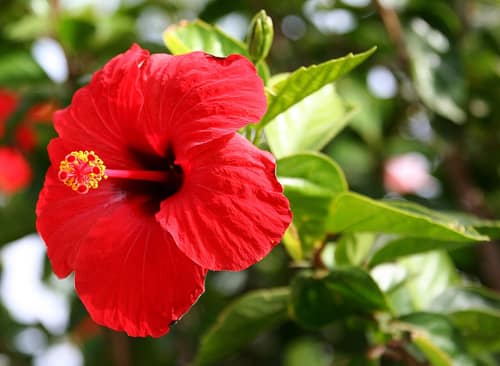
Close Relative Andy / Andrew Fogg from near Cambridge, UK / CC BY 2.0 · cc-by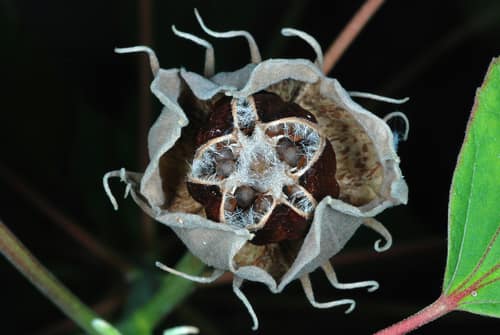
Close Relative (c) Douglas Goldman, some rights reserved (CC BY-SA), uploaded by Douglas Goldman · cc-by-sa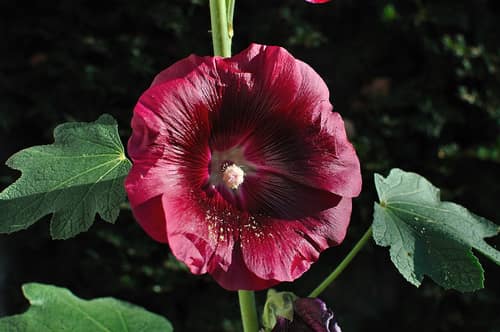
Family Member PJDespa / CC BY-SA 3.0 · cc-by-sa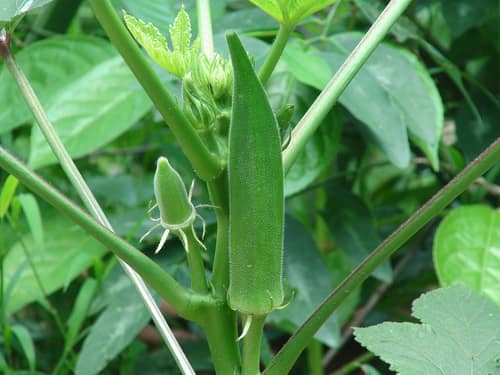
Family Member Earth100 / CC BY-SA 3.0 · cc-by-sa
Help improve the field guideSomething wrong?
Checking your Fauna account…Report a name, category, or profile issue for review.