
Plant · GBIF taxon 3152566
Scarlet Rosemallow
Hibiscus coccineusAlso known as Texas Star, Brilliant Hibiscus, Scarlet Hibiscus, Star of Texas
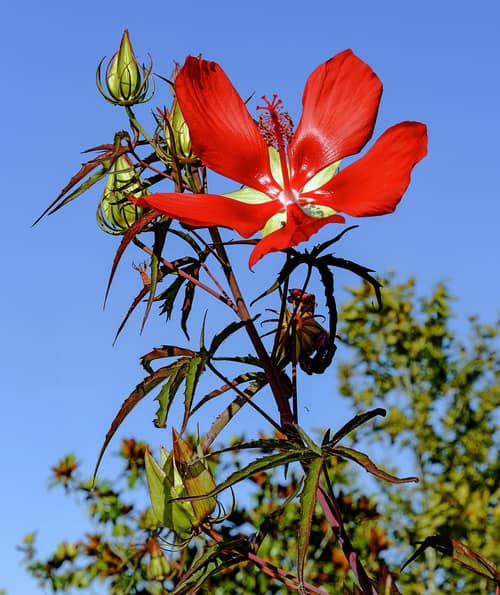
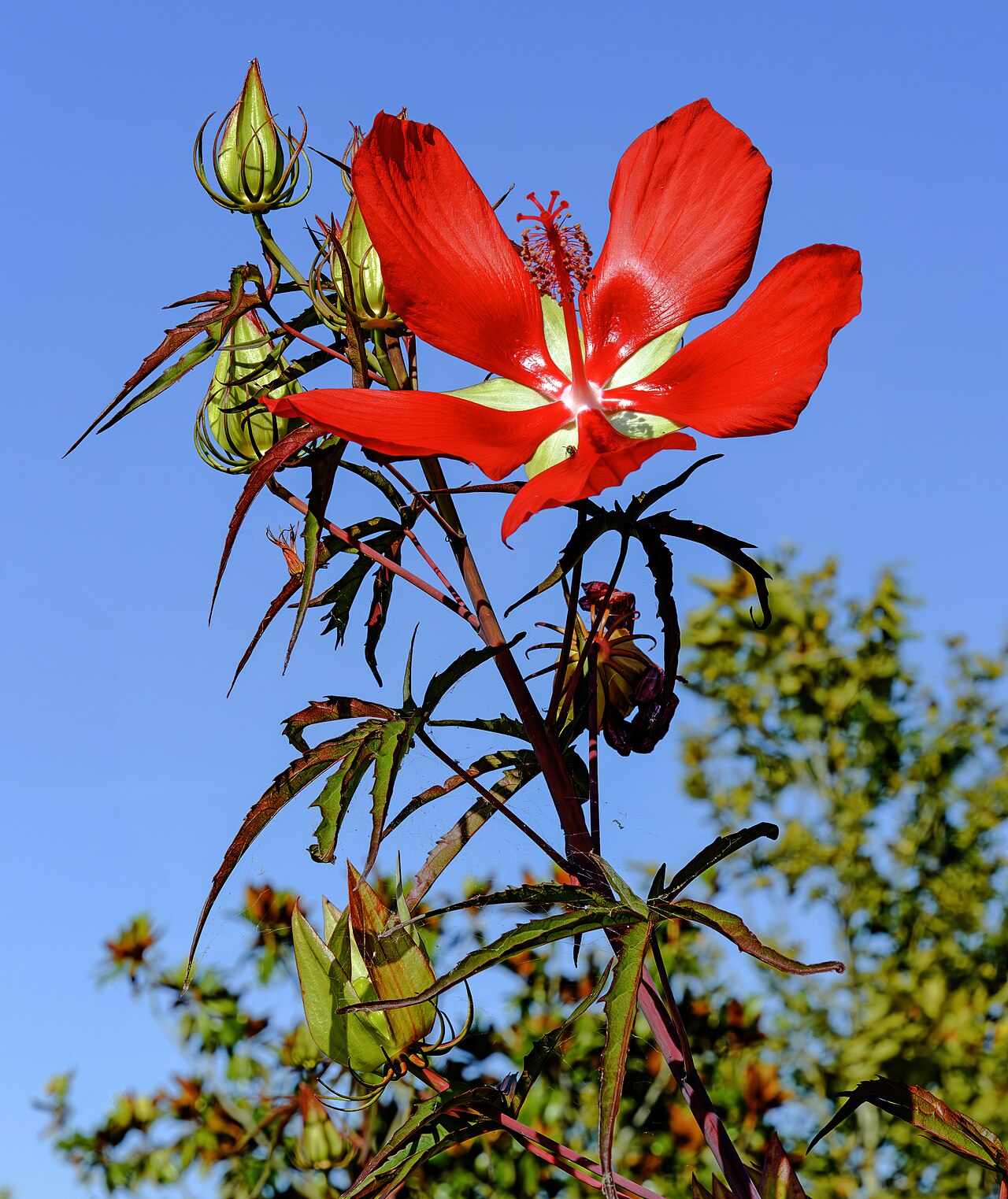
Scarlet rosemallow commands attention in southeastern wetlands with brilliant crimson blossoms up to fifteen centimeters wide. Its deeply lobed, palmately divided leaves strongly resemble cannabis foliage, though its smooth green stems die back to the ground each winter. Ruby-throated hummingbirds and swallowtail butterflies rely heavily on its abundant summer nectar.
FloweringWetlandShowy
—observations
—countries
—peak records
Least ConcernConservation statusIUCN Red List categoriesLCNTVUENCREWEXLeast ConcernRed List categories, explained →
Diet & prey
- Sunlight
- Water
- Soil nutrients
Predators
- Deer
- Japanese beetles
- Sawfly larvae
ThreatsWetland destruction, invasive species, severe drought
HabitatsSwamps, marshes, wet ditches, riverbanks
Life spanPerennial (5–10+ years)
Size / weightNot available
Classification
- OrderMalvales
- FamilyMalvaceae
- GenusHibiscus
- SpeciesHibiscus coccineus
Range data is not available yet.
Interaction riskLow
- Low
- Moderate
- High
- Very high
- Why interaction risk is low
- Safe to observe at a normal distance.
Responsible observation
- Best Viewing: Search for vivid crimson flowers in sunny southeastern wetlands from midsummer to early autumn.
- Gardening: Provide full sun and constantly moist, fertile soil for maximum flower production.
- Pollinator Watching: Observe hummingbirds feeding at the prominent central staminal column during warm afternoons.
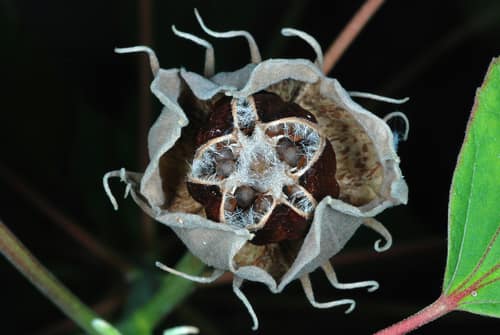
Close Relative (c) Douglas Goldman, some rights reserved (CC BY-SA), uploaded by Douglas Goldman · cc-by-sa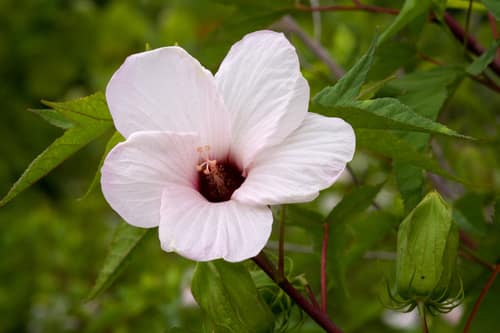
Close Relative no rights reserved · cc0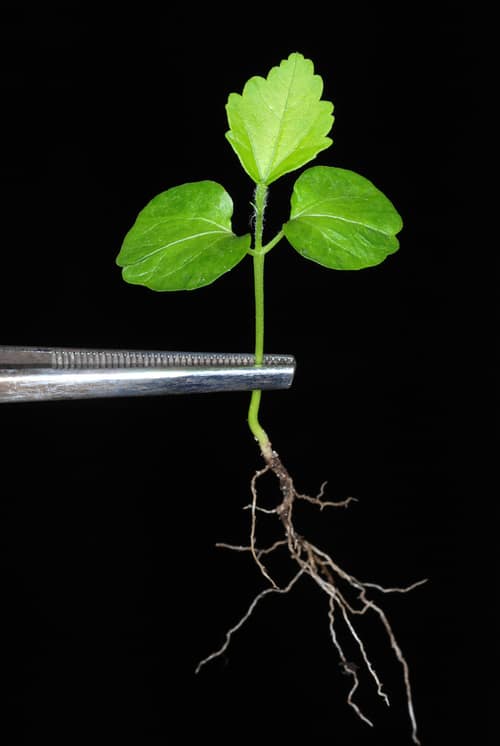
Close Relative (c) Douglas Goldman, some rights reserved (CC BY-SA), uploaded by Douglas Goldman · cc-by-sa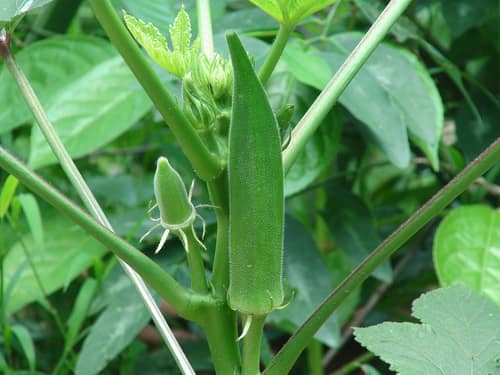
Family Member Earth100 / CC BY-SA 3.0 · cc-by-sa
Help improve the field guideSomething wrong?
Checking your Fauna account…Report a name, category, or profile issue for review.