
Plant
Flower-of-an-hour
Hibiscus trionumAlso known as Bladder Hibiscus, Bladder Ketmia, Venice Mallow, Puarangi
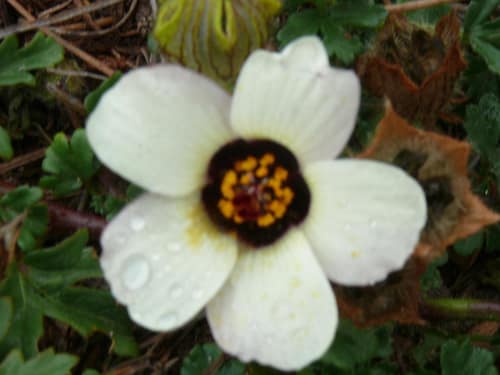
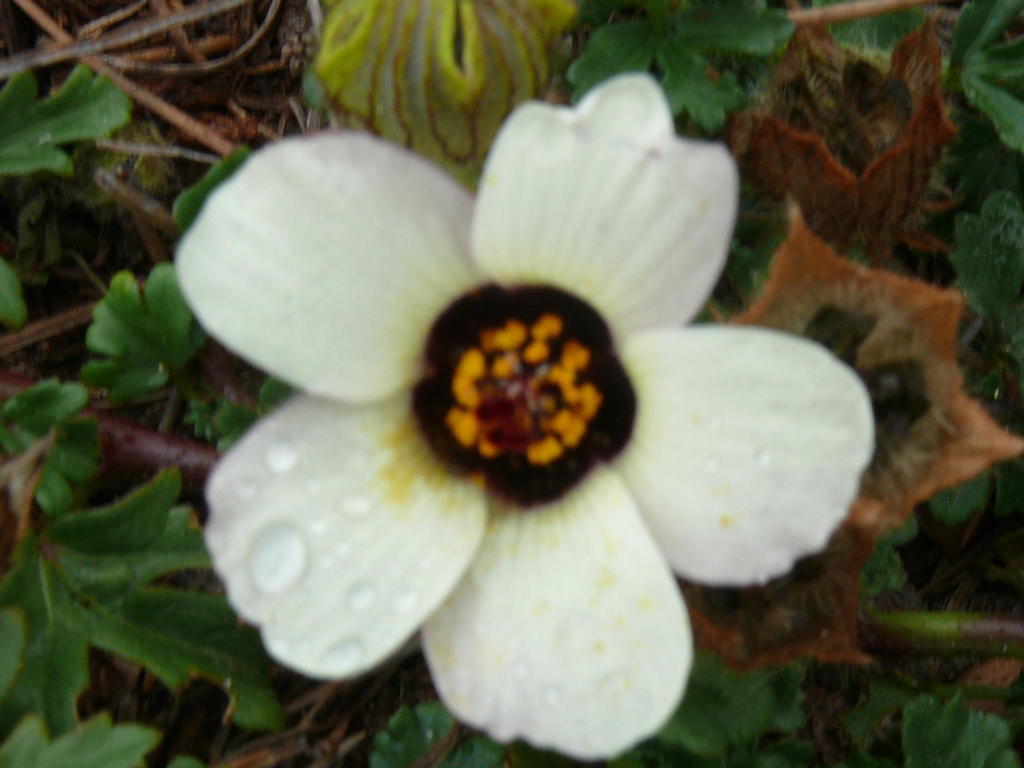
Flower-of-an-hour earned its moniker from fleeting blooms that unfurl in early morning sunshine and collapse by midday. Cream to pale yellow petals showcase a dramatic deep burgundy center surrounding a prominent central stamen column. Following pollination, the calyx inflates into a distinctive paper-like bladder that protects the maturing seeds as they dry.
AnnualFloweringSun-Loving
—observations
—countries
—peak records
Not EvaluatedConservation statusIUCN Red List categoriesLCNTVUENCREWEXNot Evaluated — not placed on the risk ladderRed List categories, explained →
Diet & preyAutotrophic (Photosynthesis)
Predators
- Herbivorous insects
- Slugs and snails
- Grazing livestock
ThreatsHerbicide application, intensive cultivation, weeding
HabitatsDisturbed soils, agricultural fields, vacant lots, roadsides
Life span1 year (Annual)
Classification
- OrderMalvales
- FamilyMalvaceae
- GenusHibiscus
- SpeciesHibiscus trionum
Range data is not available yet.
Interaction riskLow
- Low
- Moderate
- High
- Very high
- Why interaction risk is low
- Safe to observe at a normal distance.
Responsible observation
- Morning Observation: Plan to view flowers early in the day, as petals close tightly by afternoon.
- Examine the Pods: Check mature stems to inspect the translucent, veined bladder surrounding seed pods.
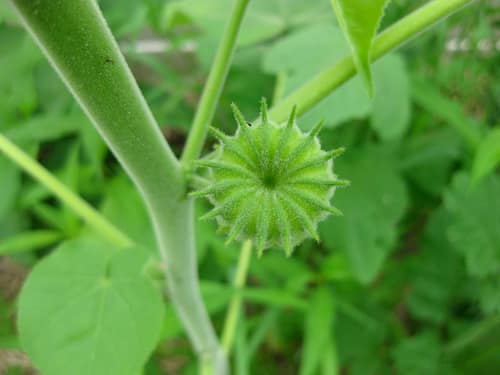
Competitor (c) anneheathen, some rights reserved (CC BY) · cc-by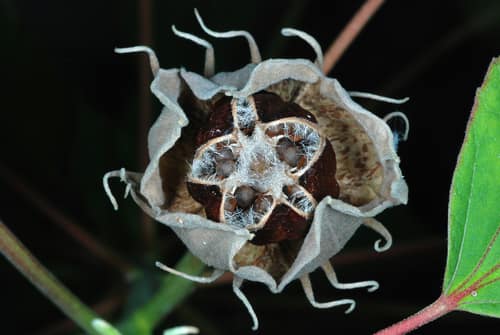
Close Relative (c) Douglas Goldman, some rights reserved (CC BY-SA), uploaded by Douglas Goldman · cc-by-sa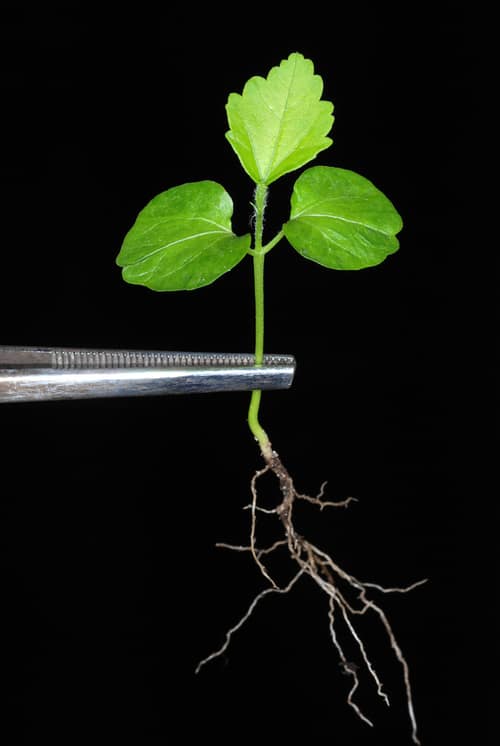
Close Relative (c) Douglas Goldman, some rights reserved (CC BY-SA), uploaded by Douglas Goldman · cc-by-sa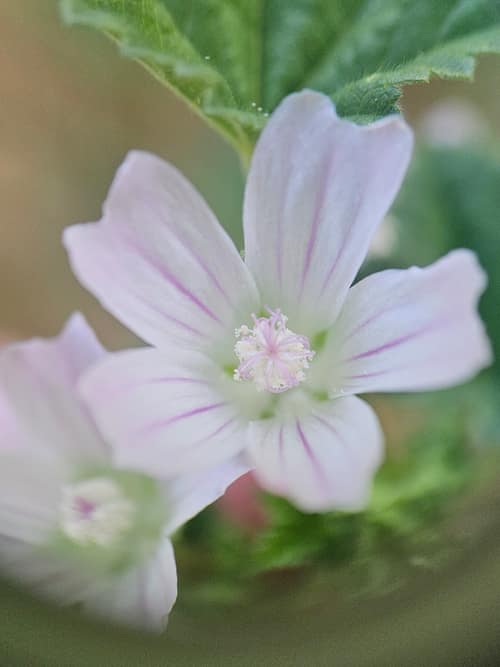
Family Member (c) Marco Iboshi, some rights reserved (CC BY), uploaded by Marco Iboshi · cc-by
Help improve the field guideSomething wrong?
Checking your Fauna account…Report a name, category, or profile issue for review.