
Plant · GBIF taxon 3152235
Provision Tree
Pachira aquaticaAlso known as Malabar Chestnut, Guiana Chestnut, Saba Nut, French Peanut
Provision trees thrive along tropical riverbanks and swampy wetlands, anchored by flared buttress roots and swollen trunks that store water. Large nocturnal blossoms open at dusk like pale shaving brushes, attracting nocturnal pollinators with their rich fragrance. Giant woody pods follow the flowers, eventually splitting open to drop dense clusters of striped seeds into surrounding waterways.
TropicalWetlandShowy Bloom
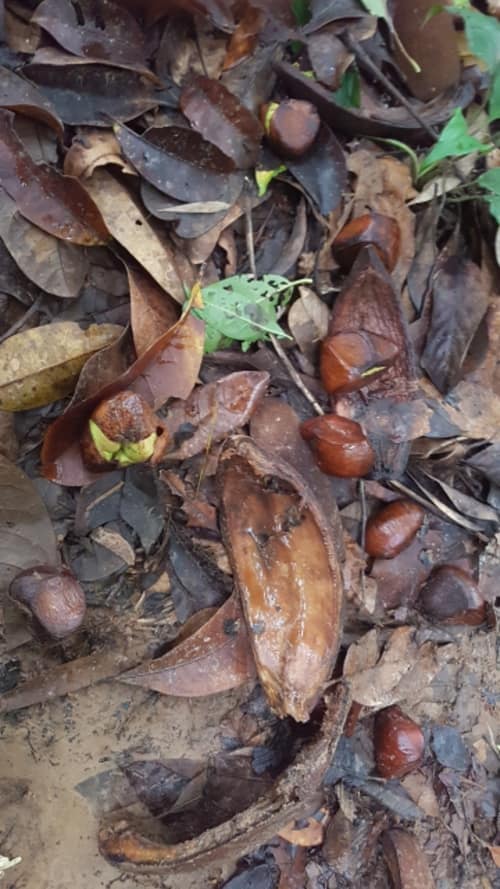
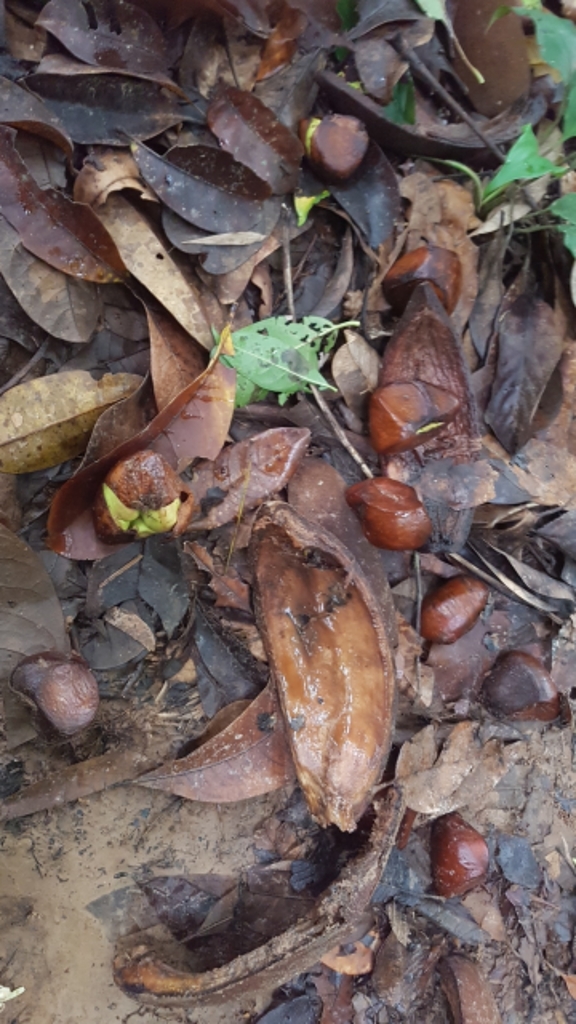
—observations
—countries
—peak records
Least ConcernConservation statusIUCN Red List categoriesLCNTVUENCREWEXLeast ConcernRed List categories, explained →
Diet & prey
- Autotrophic (Photosynthesis)
Predators
Not available
ThreatsHabitat destruction and wetland drainage
HabitatsSwamps, riverbanks, and tropical freshwater wetlands
Life span30–50+ years
Size / weightNot available
Classification
- OrderMalvales
- FamilyMalvaceae
- GenusPachira
- SpeciesPachira aquatica
Range data is not available yet.
Interaction riskLow
- Low
- Moderate
- High
- Very high
- Why interaction risk is low
- Wild seeds and nuts have toxic look-alikes; never ingest wild plant parts based on app identification alone.
Responsible observation
- Potted Care: Provide bright indirect sunlight and high humidity, letting the top soil dry between waterings.
- Observing Blooms: Look for the fragrant nocturnal blossoms at dusk during late spring and summer months.
- Distinguishing Species: Note that smooth green trunks on potted money trees usually indicate Pachira glabra.
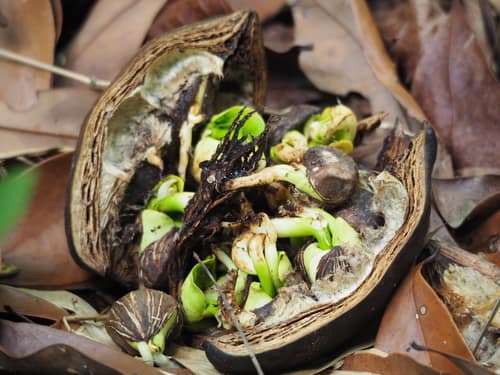
Close Relative no rights reserved, uploaded by 葉子 · cc0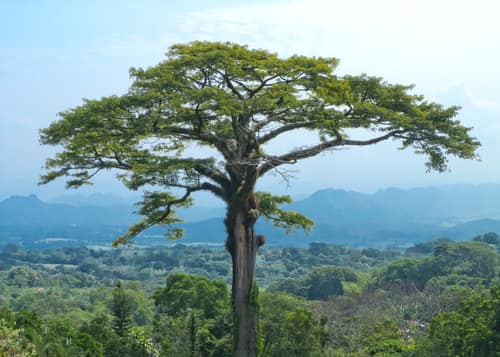
Family Relative no rights reserved, uploaded by Manuel Ortiz · cc0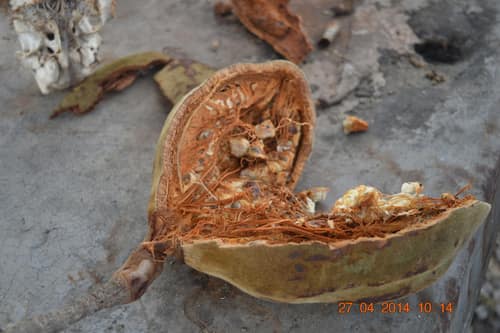
Family Relative (c) Karthik Thrikkadeeri, some rights reserved (CC BY), uploaded by Karthik Thrikkadeeri · cc-by
Help improve the field guideSomething wrong?
Checking your Fauna account…Report a name, category, or profile issue for review.